

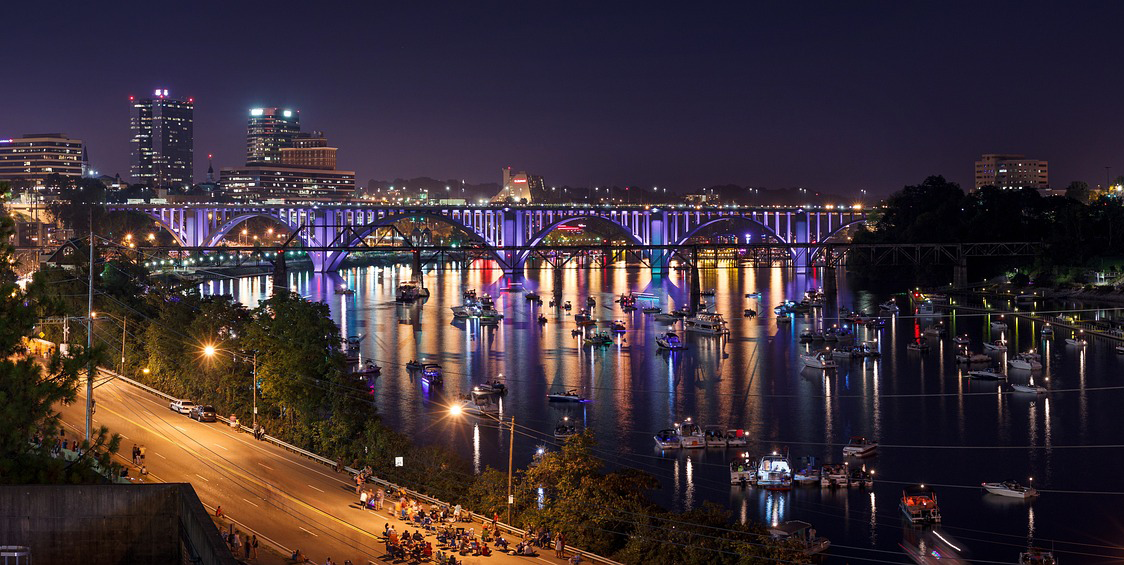
Knoxville, Tennessee is a vibrant city nestled along the Tennessee River in the Appalachian Mountain region. As the largest city in East Tennessee and the third-largest in the state➹ , Knoxville offers a unique mix of rich history, natural beauty, and Southern hospitality. This comprehensive guide will explore everything you need to know for an exciting visit – from essential city facts and attractions to annual festivals, how to get here, local dining and lodging, and insider tips for a memorable stay.
City Profile of Knoxville, TN
Located in a broad valley between the Cumberland Mountains to the northwest and the Great Smoky Mountains to the southeast, Knoxville enjoys a moderate climate year-round➹ . The city was first settled in 1786 and even served as the first capital of Tennessee until 1817➹ . Today, Knoxville has a population of about 190,000 residents (2020 Census), with nearly 960,000 people in the greater metropolitan area➹ .
Quick Facts about Knoxville:
- Founded: 1786 (incorporated 1815). Named after Revolutionary War hero Henry Knox.➹ ➹
- Historic Significance: First capital of Tennessee (1796–1817). Hosted the 1982 World’s Fair, which helped revitalize the city’s downtown➹ .
- Location: On the Tennessee River in the Appalachian Mountains, about an hour’s drive from Great Smoky Mountains National Park➹ . Elevation ~936 feet (285 m) above sea level.
- Population: ~190,740 in the city; third most populous city in Tennessee➹ . The Knoxville metro area has around 958,000 residents➹ .
- Nicknames: “Marble City” (for its historic marble industry), “Scruffy City” (a playful moniker from a 1980s article), and “Gateway to the Great Smoky Mountains”➹ .
- University Town: Home to the University of Tennessee’s flagship campus, with over 30,000 students energizing the city➹ . The UT sports teams (the Tennessee Volunteers) are a major part of local culture.
Knoxville today is a thriving mid-sized city that blends small-town charm with urban amenities. Strolling downtown, you’ll find historic buildings alongside modern developments – a result of revitalization efforts after the World’s Fair era➹ . The University of Tennessee (UT) contributes a youthful, college-town vibe and fuels the city’s love of sports, particularly college football. When UT’s Volunteers play at Neyland Stadium (one of the largest stadiums in the world with over 100,000 seats)➹ , the city buzzes with orange-clad fans and electric energy.
Culture & Economy: Knoxville is known for its friendly locals (proudly called Knoxvillians), an affordable cost of living, and a creative spirit. It’s called “The Maker City” for its community of artisans and entrepreneurs. You’ll encounter live music (from bluegrass to rock), a burgeoning art scene, and plenty of Southern Appalachian culture. The city also hosts the headquarters of the Tennessee Valley Authority (TVA) and several regional businesses, reflecting its history as an industrial and wholesaling hub. Yet despite growth, Knoxville retains a welcoming, laid-back atmosphere that makes visitors feel right at home.
Top Sights & Attractions in Knoxville
Knoxville offers a rich array of sights and attractions that cater to all interests – whether you’re a history buff, nature lover, or just looking for fun things to do. Here are some of the must-see attractions around the city:
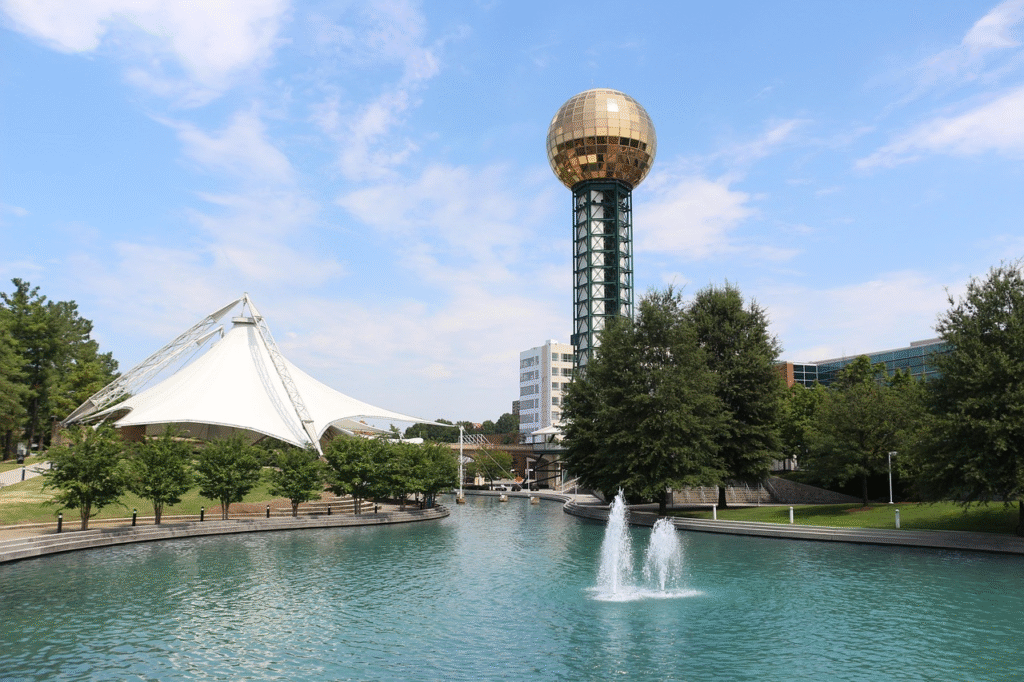
- The Sunsphere at World’s Fair Park: Knoxville’s most iconic landmark, the Sunsphere is a 266-foot tall steel tower topped with a 75-foot golden glass sphere➹ . It was built as the symbol of the 1982 World’s Fair and today features an observation deck with 360° views of the city. The gleaming gold sphere – one of the only remaining structures from the World’s Fair➹ – has come to define Knoxville’s skyline. Take the elevator up to enjoy panoramic views of downtown and the distant mountains. At the base, World’s Fair Park is a lovely green space with fountains, walking paths, and the historic Tennessee Amphitheater (also from the World’s Fair). It’s a popular spot for festivals and outdoor concerts.
- Market Square: The heart of downtown Knoxville’s social life, Market Square is a historic pedestrian plaza lined with restaurants, cafes, boutiques, and bars. Established in 1854 as a farmer’s market, it has evolved over the decades into a multipurpose gathering place that hosts everything from outdoor concerts and festivals to political rallies➹ . Street musicians often perform here, and on most days you’ll find locals and visitors dining on patios or relaxing by the interactive fountains. Don’t miss the Market Square Farmers’ Market (held seasonally) for local produce and crafts, or one of the free “Movies on Market Square” nights in late summer. The square is surrounded by beautifully preserved buildings – including the 1876 Oliver Hotel (a boutique hotel that once was a bakery and confectionery) – giving it plenty of historic charm.
- Historic Downtown Knoxville & Gay Street: A short walk from Market Square, Gay Street is Knoxville’s main historic avenue, featuring lovely 19th and early 20th-century architecture. Here you’ll find the Tennessee Theatre, a 1928 “movie palace” that has been lavishly restored to its Spanish-Moorish glory➹ . Dubbed “Knoxville’s Grand Entertainment Palace,” the Tennessee Theatre now hosts concerts, classic films, Broadway shows, and is home to the Knoxville Symphony Orchestra and Opera➹ . A block away, the Bijou Theatre (built 1909) offers a more intimate venue for live music and shows. As you wander Gay Street, you’ll also encounter art galleries, the Emporium Center, and the downtown Museum of Art. The Knoxville Museum of Art, located at World’s Fair Park, showcases regional art and the impressive glass installation Cycle of Life. Admission to the art museum is free.
- Knoxville’s Historic Homes: History enthusiasts can step back in time by touring several preserved historic homes around the city. James White’s Fort (1786) – the log cabin home of Knoxville’s founder – illustrates frontier life in the late 18th century. Blount Mansion (1792) was the home of William Blount, a signer of the U.S. Constitution and territorial governor; despite its humble name, it’s actually a beautifully furnished house often called “the Birthplace of Tennessee.” Other notable sites include Mabry-Hazen House (built 1858, with Civil War history) and Bleak House (a Gothic Revival home used as Confederate headquarters during the Civil War). These and others make up the Historic Homes of Knoxville tour, each offering a unique glimpse into the city’s past.
- Ijams Nature Center & Urban Wilderness: Just 3 miles south of downtown, Ijams Nature Center is a 300-acre reserve where you can hike wooded trails, spot wildlife, paddle on Mead’s Quarry Lake, or walk along the boardwalk at the Tennessee River. It’s part of Knoxville’s Urban Wilderness, a vast network of parks, forests, and trail systems within the city. In fact, Knoxville’s Urban Wilderness features over 50 miles of trails and greenways connecting various parks and natural areas, including Ijams, Forks of the River Wildlife Management Area, and more➹ . Outdoor enthusiasts can enjoy hiking, mountain biking, trail running, and even rock climbing (at places like Mead’s Quarry or Cherokee Bluff). Don’t miss the Ross Marble Quarry area at Ijams, where old marble quarry sites have been transformed into scenic wooded trails and the stunning “Keyhole” formation. The Urban Wilderness is a true gem – it lets you experience lush nature, right inside the city.
- Zoo Knoxville: If you’re traveling with family (or just love animals), be sure to visit Zoo Knoxville. This 53-acre zoo is home to over 1,200 animals and is especially famous for its work with red pandas and elephants. In fact, Zoo Knoxville has bred more endangered red pandas than any other zoo in the world➹ – you can see these adorable creatures up close in the Red Panda Village. The zoo also made history by being the first in the Western Hemisphere to successfully breed African elephants (back in 1978)➹ . Today the zoo’s exhibits include Black Bear Falls (with native black bears), an extensive reptile and amphibian center, an Asian Trek (tigers, gibbons, and silvered leaf langurs), and Kids Cove for petting zoo fun. The zoo is located in Chilhowee Park, about 5 miles east of downtown, and makes for a great half-day trip.
- Women’s Basketball Hall of Fame: Sports fans might enjoy the Women’s Basketball Hall of Fame, located in downtown Knoxville (near James White Parkway). Knoxville has a rich women’s basketball legacy thanks to the UT Lady Volunteers and legendary coach Pat Summitt. This hall of fame celebrates the history of the women’s game with multimedia exhibits, memorabilia, and even a chance to test your skills on an indoor court. You’ll know you’ve found it when you see the world’s largest basketball perched on the roof of the building!
- Other Attractions: There’s plenty more to see depending on your interests. World’s Fair Park (besides the Sunsphere) has open lawns, a splash pad and playground, and often hosts festivals. Volunteer Landing along the riverfront is a scenic spot for a stroll, with a riverboat marina and playgrounds (great for a picnic or to watch boats). You can even take a river cruise on the authentic paddlewheel Star of Knoxville Riverboat or the luxury Volunteer Princess Yacht for sightseeing or dinner cruises on the Tennessee River. The East Tennessee History Center downtown is an excellent museum to learn about regional history and culture (with interactive exhibits and archives; free on Sundays). Fans of literary history can visit Alex Haley Heritage Square (a park in East Knoxville featuring a bronze statue of the Roots author, who lived near the city), or take a selfie with the life-size statues of authors James Agee and Cormac McCarthy on Market Square, commemorating Knoxville’s literary sons. Whether you’re into art, science (check out The Muse children’s science museum), or just exploring new places, Knoxville has no shortage of attractions to fill your itinerary.
Annual Events & Festivals in Knoxville
Knoxville is a festive city year-round, with events that celebrate its art, music, culture, and community spirit. No matter what time of year you visit, you’re likely to find some special event happening. Here are some of the major annual festivals and recurring events to know:
- Dogwood Arts Festival (April): Each spring, Knoxville comes alive with pink and white blooms during the Dogwood Arts Festival, a tradition for over 60 years. This multi-week celebration (centered around April) honors the region’s natural beauty and art scene during dogwood blooming season➹ . The festival includes a downtown art fair on Market Square and World’s Fair Park with over 100 artisans, live music performances, food vendors, and family activities. There’s also a vibrant parade, a house & garden show, and demonstrations of Appalachian arts and crafts like quilting and bluegrass music➹ . One unique feature of Dogwood Arts is the series of Dogwood Trails – driving routes through historic neighborhoods lined with blooming dogwood trees, marked by pink stripe road lines. Visitors can drive or bike these trails to enjoy springtime blossoms (maps are provided by Dogwood Arts). It’s a truly beautiful time to experience Knoxville’s neighborhoods in full bloom.
- Big Ears Festival (March/April): The Big Ears Festival is an internationally acclaimed music festival that takes place over a long weekend in late March or early April, attracting music enthusiasts from around the world. Big Ears is known for its eclectic, genre-blending lineup – expect to hear everything from experimental rock, indie and jazz to classical, folk, and electronic music➹ . Venues across downtown (like the Tennessee Theatre, Mill & Mine, churches, and theaters) host dozens of performances, film screenings, and art installations. It’s not your average music festival – Rolling Stone called Big Ears “one of the most quietly earth-shattering, subtly luminous festivals in the world.” If you have “big ears” for adventurous music, this festival is a must-see. (Tip: Tickets can be pricey, but single-day passes and student rates are usually offered.)
- Knoxville Marathon (March): Every spring, runners take to the streets for the Covenant Health Knoxville Marathon and half-marathon. The race winds through downtown and scenic neighborhoods, with a finish line inside Neyland Stadium. It’s the largest competitive road race in East Tennessee➹ and draws participants from many states. Even if you’re not running, it’s fun to cheer on the racers and enjoy the lively atmosphere.
- Rossini Festival (April): Each April, the Knoxville Opera hosts the Rossini Festival International Street Fair – a day-long celebration of opera, music and food that transforms downtown Gay Street into an open-air festival. Multiple stages feature opera performances, classical music, ballet, and ethnic dance, while hundreds of vendors offer crafts, beer and international foods. The street fair typically coincides with an opera production at the Tennessee Theatre, but the outdoor event itself is free to attend. It’s a family-friendly cultural feast (and yes, it’s named after composer Gioachino Rossini, though the performances cover all sorts of composers and styles).
- Kuumba Festival (June): A longstanding celebration of African American culture, Kuumba Festival is held in June (around Juneteenth) with events showcasing African and African-American art, music, dance, and food. “Kuumba” means creativity in Swahili, and the festival features live gospel and R&B music, African drumming and dancing, a West African street fair with crafts and soul food, and the popular Parade of Nations through downtown. Many events take place at Market Square and Chilhowee Park. It’s the largest cultural heritage festival in East Tennessee.
- Independence Day (July 4th): Knoxville throws a big Festival on the Fourth celebration at World’s Fair Park. During the day, families enjoy free activities, food trucks, and live music. At night, the Knoxville Symphony Orchestra performs a Patriotic Concert on the lawn, culminating in a spectacular fireworks show over the park. Bring a blanket and join thousands of locals for this fun, free Fourth of July tradition➹ .
- Knoxville Asian Festival (late August): A relatively new but hugely popular event, the Knox Asian Festival showcases the diversity of Asian cultures with a day of performances and cuisine. You can watch Japanese Taiko drummers, Chinese dragon dances, Thai classical dance, Korean K-Pop showcases, and martial arts demonstrations, all in one festival. There’s also a bustling food market where you can try dishes from Thailand, India, Japan, Korea, Vietnam, China, Philippines, and more. The festival is usually held at World’s Fair Park and draws big crowds – a great way to experience Knoxville’s international community➹ .
- Tennessee Valley Fair (September): For over 100 years, the Tennessee Valley Fair has been a favorite fall tradition. Held in early September at Chilhowee Park, this classic regional fair features thrilling carnival rides, midway games, livestock exhibitions, arts & crafts competitions, live music concerts, and every deep-fried treat you can imagine. It’s an authentic slice of East Tennessee culture – from prize-winning pigs to funnel cakes – and fun for all ages. The fair typically runs 10 days, so there’s plenty of time to check it out if you’re in town.
- HoLa Festival (September): Knoxville’s HoLa (Hispanic Organization for Learning & Awareness) Festival is a two-day celebration of Latin American culture held around the end of September (to align with Hispanic Heritage Month). The festival, usually on Market Square and Gay Street, offers Latin American and Spanish food vendors (think empanadas, tacos, pupusas), live Latin music (salsa, mariachi, tango), dance performances, and exhibits. The atmosphere is muy caliente – lots of dancing in the street and cultural exchange. It’s a wonderful way to enjoy and learn about the traditions of Knoxville’s Latino community.
- Greek Fest (September): Hosted by St. George Greek Orthodox Church each fall, Greek Fest is a beloved weekend festival celebrating Greek culture. You can feast on homemade Greek dishes (spanakopita, souvlaki, baklava and more), watch traditional Greek dancing with lively music, tour the beautiful Byzantine-style church, and shop an authentic Greek market. Opa! It’s a smaller festival but a favorite for foodies.
- **Halloween & Fall Events: In October, Knoxville embraces spooky season with events like Zoo Knoxville’s “Boo at the Zoo” (evenings of trick-or-treating amid the zoo exhibits for kids)➹ and “Thriller” Night dance flash mobs downtown. Nearby in Oak Ridge, there’s a popular Haunt at Cherokee Caverns. Also, don’t miss the gorgeous fall foliage – late October is usually peak color time in the city’s many parks and neighborhoods (and of course up in the Smoky Mountains).
- **Christmas in the City (November–December): When the holiday season arrives, Knoxville’s Christmas in the City festivities kick into high gear. This isn’t a single event, but rather eight weeks of holiday activities and displays across town➹ . Highlights include the Regal Celebration of Lights (the city’s Christmas tree lighting and street illumination ceremony downtown), Holidays on Ice outdoor skating rink in Market Square, the WIVK Christmas Parade down Gay Street, and the Tour de Lights (a fun night where hundreds of people decorate their bicycles with lights and ride through downtown). One unique tradition is the Singing Christmas Tree, a gigantic tree-shaped arrangement of choir singers performing carols➹ . Many attractions like the Tennessee Theatre show classic holiday films, and neighborhoods adorn themselves with lights. It’s truly a magical time to visit – Knoxville does the holidays in a big, family-friendly way.
This is just a sampling – other events include the First Friday Art Walks (monthly, with galleries open late and live music downtown), Concerts on the Square in summer, Brewfest for craft beer lovers, PrideFest celebrating LGBTQ+ pride each June, Anime Blast for pop culture fans, and Volapalooza (UT’s big spring music festival). Be sure to check Knoxville’s event calendar before your visit, because there’s always something happening – from big festivals to intimate concerts – that can add local flavor to your trip.
Getting to Knoxville (Transportation & Maps)
Knoxville’s central location at the crossroads of major highways makes it easy to reach by car, and the city is also served by a convenient regional airport. Here’s how to get to Knoxville and navigate once you’re here:
By Air: McGhee Tyson Airport (airport code TYS) is Knoxville’s primary airport, located about 12 miles south of downtown (in Alcoa/Blount County). It’s a midsize international airport that offers nonstop flights to around 19 cities including Atlanta, Charlotte, Chicago, Dallas, Denver, Houston, New York, Philadelphia, Washington D.C., and more➹ . Around 8 major airlines (American, Delta, United, Allegiant, etc.) operate at TYS, with roughly 120 arriving and departing flights daily➹ . The airport is modern and easy to navigate – typically a quick process compared to larger airports. Once you land, getting into town is a 20-minute drive via highway. Rental cars, taxis/rideshares, and shuttles are readily available at the airport. There is no direct public transit from TYS to downtown, so most travelers rent a car or take a shuttle.
By Car: Knoxville lies at the junction of Interstate 40 and Interstate 75, which are two of the nation’s major highways. I-40 runs east–west through Knoxville, connecting it directly to Asheville, NC (via I-40 to the east) and to Nashville, TN (to the west)➹ . Interstate 75 runs north–south, connecting Knoxville to Lexington, KY (north) and Chattanooga, TN and Atlanta, GA (south via I-75)➹ . Additionally, Interstate 81 splits off I-40 just east of town, providing a route northeast toward the Virginia Shenandoah region (Bristol, Roanoke). These interstates make driving to Knoxville straightforward: it’s roughly a 3-hour drive from Nashville (180 miles), 3.5–4 hours from Atlanta (214 miles), 2.5 hours from Lexington (170 miles), and about 4 hours from Charlotte, NC (via I-40). From the Great Smoky Mountains National Park or Gatlinburg area, it’s only about 1 hour via US-441/I-40. Road conditions are generally good, and the scenery approaching Knoxville – especially from the east or south – is beautiful as you pass through rolling hills and mountains. Within the city, I-40 and I-75 converge and loop around downtown (I-275 and I-640 are spurs that bypass the city center). Traffic in Knoxville is usually moderate; you’ll see some rush hour congestion on weekdays, and game day traffic jams when UT has a big football game, but compared to larger cities it’s quite manageable.
By Bus: Knoxville is connected by intercity bus services. Greyhound has daily buses to Knoxville (the station is at 100 E. Magnolia Ave near downtown) from cities like Nashville, Atlanta, and others along those routes➹ . Megabus (a low-cost express bus) also serves Knoxville, with routes from Atlanta, Nashville, Chattanooga, and even as far as Washington D.C.➹ . Megabus stops at the Knoxville Transit Center downtown (301 E. Church Ave). Bus travel can be an affordable option, though schedules may be limited. It’s a good idea to book in advance for the best fares (sometimes as low as $1 on Megabus promo rates). There is currently no passenger train service to Knoxville – the nearest Amtrak station is in Atlanta or Charlotte – since Knoxville’s historic train service ended decades ago. If you’re feeling adventurous, arriving by boat is even possible: the Tennessee River is part of a navigable waterway linking to the Mississippi (some college football fans even boat to UT games, docking at Volunteer Landing!). But for most, flying or driving will be the way to go.
Getting Around Knoxville: Once you’re in Knoxville, you’ll find downtown and nearby districts are fairly walkable, but having a car is helpful to explore areas beyond the city center or to take day trips. Downtown Knoxville is compact – you can walk between the main attractions (Market Square, Gay Street, World’s Fair Park, Old City) easily, and many streets are pedestrian-friendly with wide sidewalks. If you’re staying downtown, you might not need a car except for excursions.
For public transit, Knoxville Area Transit (KAT) operates city buses on about 20 routes across Knoxville. The main KAT Transit Center is downtown on E. Church Avenue, and most bus routes radiate from there to different parts of the city. Buses are clean and safe, but routes mostly run on hourly schedules, so using the bus system to sightsee requires some planning➹ . The fare is inexpensive (around $2 per ride, with day passes available). Not all tourist sites are directly on bus lines, but you can reach places like the zoo, West Town Mall, etc., by transit if needed. Check KAT’s website or Rider app for routes and times.
A very convenient feature for visitors is the downtown trolley system, which is FREE to ride. KAT runs several color-coded trolley loops serving downtown and the University of Tennessee area, and they run every 10-15 minutes on weekdays and weekend evenings➹ . The trolley routes include the Orange Line (connecting downtown and UT campus), the Green Line (Gay Street, Old City, and the Waterfront), and the Blue Line (Downtown Loop covering Market Square, Convention Center, etc.). You can hop on and off these vintage-style trolleys at various stops – look for the marked “Trolley” signs. This is a great way to save your feet and shuttle between hotels, attractions, and eateries in the core areas. (Note: As of late 2024, the trolley network was simplified into a Downtown Connector route, which remains free of charge.)
For areas not covered by transit or if you prefer convenience, rideshare services (Uber and Lyft) are widely available in Knoxville and typically cost $10-15 for cross-town trips (less for short downtown hops). Traditional taxis operate as well, though you’ll usually need to call for one or find them at the airport and bus station.
Driving in Knoxville is relatively easy. The street grid downtown has some one-way streets, but navigation apps will guide you. Parking downtown is plentiful and often free at nights and on weekends – the city has several public parking garages (Market Square, Locust Street, State Street, etc.) that are free on weeknights and all day on weekends. Street parking is metered weekdays (but also free after 6pm and on Sundays). During special events or game days, some parking fees may apply. If you stay in a downtown hotel, you can likely leave your car parked and explore on foot or via trolley most of the time.
If you’re venturing out, Knoxville’s highways and major routes will get you around. I-40/I-75 form the beltway on the west side. Alcoa Highway (US-129) connects downtown to the airport and is the busiest road in town➹ (be cautious as it’s under perpetual construction). Kingston Pike is the main commercial artery through West Knoxville. And if you plan to drive to the Smoky Mountains, the most direct route is U.S. 441 through Sevierville and Pigeon Forge (about 1 hour to the park boundary, but can be very congested in summer/fall weekends – an alternate is I-40 to exit 407 then TN-66).
Cycling: Knoxville has invested in greenways and bike lanes in recent years. You can rent a bike or e-scooter in downtown (there are some app-based scooter and bike share programs). The downtown area and UT campus have some bike lanes and paths. The Third Creek Greenway and Sequoyah Greenway offer lovely bikeable paths connecting neighborhoods to downtown, and the Urban Wilderness trails are great for mountain biking. If you prefer guided tours, consider a bike tour or a leisurely pedal tavern tour (a group-pedaled bike bar) for a fun spin through downtown.
In summary, getting to Knoxville is straightforward whether by plane or car, and once here, you have options to get around. Many visitors do opt for a rental car to fully explore the region (especially to head into the mountains or out to surrounding areas), but if you’re sticking around downtown, you can manage with walking and the free trolley. Don’t forget to pick up a map or Visitors Guide at the Knoxville Visitors Center (301 S. Gay Street) when you arrive – it’s in the heart of downtown and doubles as a hub for local info and even live music (more on that below!).
Local Services: Restaurants, Hotels & Activities
One of the best parts of visiting Knoxville is enjoying the local scene – from hearty Southern cuisine and innovative restaurants to comfortable accommodations and fun activities. Here’s a guide to Knoxville’s food, lodging, and leisure options to help you plan:
Where to Eat in Knoxville – Restaurants & Cuisine
Knoxville’s food scene is delightfully diverse. You’ll find everything from traditional East Tennessee barbecue and comfort food to global cuisines like Mediterranean, Indian, Italian, Mexican, and more➹ . The city’s culinary offerings have exploded in recent years, with local chefs earning national attention. Whether you’re a foodie looking for the next great meal or just craving some down-home cooking, Knoxville has you covered.
Southern & Appalachian Flavors: When in Knoxville, you have to try some authentic Southern fare. A local favorite for soul food is Jackie’s Dream Cafe, famed for its fried chicken, catfish, and scratch-made sides in a casual setting➹ . For barbecue, Sweet P’s Barbeque offers succulent pulled pork, ribs, and all the fixin’s – their original location on the Tennessee River has a great patio view. If you’re downtown, Calhoun’s on the River is a popular spot to dine on hickory-smoked BBQ with a scenic riverfront backdrop. Don’t miss regional specialties like fried green tomatoes, pimento cheese, “hot chicken” (spicy fried chicken, a Nashville import but found here too), and biscuits with gravy. And for a true Appalachian treat, see if you can find real moonshine – Sugarlands Distilling and Ole Smoky have tasting outposts downtown where you can sip legal flavored moonshine and Tennessee whiskey.
Modern Southern & Farm-to-Table: Knoxville’s chefs are adept at blending Southern traditions with modern flair. J.C. Holdway, led by James Beard Award-winning chef Joseph Lenn, is one of Knoxville’s top fine-dining restaurants, focusing on farm-to-table Appalachian-inspired cuisine (it’s named after a smokehouse technique). Lonesome Dove Western Bistro (by celebrity chef Tim Love) offers innovative takes on wild game and steaks with a Southern twist. Emilia on Market Square serves excellent Italian pasta dishes using local ingredients in a cozy atmosphere➹ – great for a date night. For brunch, try Tupelo Honey Cafe (known for biscuits and sweet tea-brined fried chicken) or OliBea in the Old City for farm-fresh breakfast tacos and biscuits.
Global Eats: Knoxville’s international dining options might surprise you. Craving Mexican? Chivo Taqueria downtown is loved for its gourmet tacos and extensive tequila menu (voted best Mexican in Knoxville)➹ . For a taste of the Mediterranean, Yassin’s Falafel House has two locations serving legendary falafel wraps and hummus – it was even voted “Nicest Place in America” by Reader’s Digest, reflecting the welcoming spirit of its Syrian-owner Yassin. If you like Indian food, Sitar on Kingston Pike is a longstanding choice with a great lunch buffet. Kefi is a new spot offering modern Greek small plates. There’s also incredible Thai (try Kaizen, an Asian-fusion izakaya downtown known for ramen and steamed buns➹ ), authentic Korean at Family Bowl, sushi at Nama, and Vietnamese pho at Pho 99. Virtually any cuisine you’re in the mood for – Japanese, Mediterranean, Middle Eastern, Italian, French – you can find in Knoxville’s restaurants. The variety of options reflects the city’s growing and diverse palate➹ .
Breweries & Cafes: In recent years, Knoxville has developed a hopping craft beer scene. The city boasts over 20 breweries! You can follow the “Knox Ale Trail” (pick up a passport at the Visitors Center) to sample local brews. Fan favorites include Crafty Bastard Brewery (inventive small-batch beers), Alliance Brewing (great ales near Ijams), Pretentious Beer Co. (which doubles as a glass-blowing studio), and Schulz Bräu (an authentic German beer hall in North Knoxville’s Happy Holler district). Many breweries have taproom patios that are perfect for relaxing. If you prefer wine or cocktails, downtown’s wine bars (like Drink. and Downtown Winery) and speakeasy-style bars (like Peter Kern Library or PostModern Spirits) won’t disappoint.
Coffee lovers will find local coffee shops on every corner – Old City Java and Remedy Coffee are hip spots to get your caffeine fix in the historic Old City, while Wild Love Bakehouse in North Knox not only pours excellent coffee but also award-winning pastries. Vienna Coffee and Capybara Coffee are great near downtown/UT. And if you have a sweet tooth, treat yourself to Cruze Farm Ice Cream, a local dairy that serves creamy soft-serve ice cream in imaginative seasonal flavors (their red gingham-uniformed servers are Instagram-famous). Or pop into Status Dough for gourmet donuts (the maple-bacon is divine).
Budget Bites: Traveling on a budget? Knoxville has you covered with plenty of affordable eats. Besides fast-food chains, look for local joints like Pizza Palace, a retro drive-in featured on Food Network for its crispy pizza and onion rings. Time Warp Tea Room offers sandwiches in a motorcycle-themed cafe. And for a quick, delicious lunch, you can’t beat a classic “Petro” from Petro’s Chili & Chips (a Knoxville invention: layered chili, Fritos, cheese and toppings in a cup – way better than it sounds!). Also, many restaurants have generous happy hours and “Kids eat free” nights, which families may appreciate.
With such a range of dining options, Knoxville can satisfy gourmet cravings just as well as comfort food desires. Best of all, you’ll find the hospitality at local eateries is warm and genuine – expect to be treated like a friend, and don’t be surprised if staff strike up a conversation or give you travel tips. As the saying goes, “Southern cooking makes you good looking,” so eat up and enjoy!
Where to Stay in Knoxville – Hotels & Accommodations
From modern downtown hotels to quaint bed-and-breakfasts, Knoxville offers accommodations for every style and budget. For the best experience, many visitors choose to stay in or near downtown, which keeps you within walking distance of major attractions and restaurants. Here are some options and areas to consider:
Downtown Hotels: Downtown Knoxville has several full-service hotels, including recognizable brands and unique boutiques. The Tennessee River waterfront side has the Hilton Knoxville and Marriott Knoxville (both of which were legacy hotels built around the World’s Fair era➹ ), offering comfortable rooms and great city or river views. Closer to the action on Gay Street are the Hyatt Place (atop historic storefronts) and Crowne Plaza Knoxville, which is just two blocks from Market Square. If you’re seeking luxury or a boutique experience, check out The Tennessean Personal Luxury Hotel, a newer 5-star hotel adjacent to World’s Fair Park (with sophisticated decor and an excellent whiskey bar), or The Oliver Hotel on Market Square, which exudes historic charm and even houses a hidden speakeasy bar (Peter Kern Library) off its lobby. Another boutique spot is Graduate Knoxville, near UT campus, which is fun and college-themed (great if you’re visiting UT).
Staying downtown, you’ll enjoy perks like free garage parking on weekends, the ability to walk or trolley everywhere, and nice amenities. Most downtown hotels range from $130–$250 per night depending on season and events. It’s wise to book early if you plan to visit during a big event (like UT football games, Dogwood Arts Festival, or conferences) because rooms can fill up quickly.
University Area & Cumberland Avenue: If you’re visiting the University of Tennessee or prefer a slightly more budget-friendly stay not far from downtown, the Cumberland Avenue/UT campus area has options. Four Points by Sheraton and Hampton Inn & Suites on Cumberland Ave (“The Strip”) are modern and steps from campus (and the many eateries catering to students). These are about a 15-minute walk (or quick trolley ride) to the heart of downtown. Also, the Holiday Inn Express and Marriott Residence Inn in Fort Sanders neighborhood serve the university crowd. Rates here are often a bit lower than center-city, except on game weekends when anything near campus gets premium pricing.
West Knoxville (Cedar Bluff/Papermill Drive): The majority of Knoxville’s hotels are actually out west along I-40/I-75 in the Cedar Bluff, Papermill, Park West areas (about 15-20 minutes drive west of downtown). Here you’ll find many mid-range chain hotels (Hilton Garden Inn, Courtyard, Baymont, etc.) typically at lower cost and with free parking. These are convenient if you’re doing business in West Knoxville or passing through, and they sit near many restaurants and shopping centers (like West Town Mall). However, if your focus is touring downtown and the university, staying in the West Knox area means you’ll be driving in each day. It’s an option for budget-conscious travelers, especially those with a car.
North Knoxville & Old City: An emerging area for lodging is around North Central Street and the Old City, where some cool boutique accommodations have popped up. The Pilot Light/Oliver Hospitality group is opening a stylish boutique hotel in a renovated historic building (this could be open by the time you visit). Also, look for unique rentals or Bed-and-Breakfasts in the Fourth & Gill or Old North Knoxville historic districts – these Victorian neighborhoods have a few B&Bs that offer a charming, local stay (and amazing breakfasts, of course!).
Cabins & Rentals: Because of Knoxville’s proximity to the Great Smoky Mountains, some visitors combine a city trip with a mountain retreat. Within an hour of Knoxville, especially around towns like Pigeon Forge, Sevierville, and Townsend, there are hundreds of rental cabins – from rustic to luxury – if you want to stay in a wooded cabin and maybe spend a day or two in the national park. You could split your stay: a couple nights in downtown Knoxville for the urban experience, then a couple nights in a Smoky Mountain cabin for nature and Dollywood, etc. Additionally, Airbnb and VRBO offer many home rentals in Knoxville itself. You might find a trendy loft on Gay Street, a cottage in Happy Holler, or an apartment near campus, often at competitive rates compared to hotels if traveling with a group or for an extended stay.
Camping and RVs: If you’re doing a road trip or camping tour, Knoxville has options like the KOA Campground west of town, and Southlake RV Park in South Knoxville. Melton Hill Campground (run by TVA, about 30 minutes west) is a beautiful lakeside option for tent or RV camping, if you don’t mind the short drive.
Wherever you stay, you’ll find that Knoxville’s hospitality industry is welcoming. Many hotels provide free shuttles around downtown or to campus, and front-desk staff are usually eager to recommend their favorite local spots. Tip: If you’re visiting in fall during a UT football weekend, hotels will be in extremely high demand (and at higher prices) – consider booking 3-6 months in advance for those dates, or stay further out if needed. On the flip side, summer weekends and winter (outside of holiday events) often have good deals since it’s a softer tourist season.
Things to Do for Fun – Activities & Nightlife
Beyond traditional sightseeing, Knoxville offers lots of activities and entertainment to keep you busy. Here are some ideas to round out your itinerary:
Live Music & Nightlife: Knoxville has a vibrant music scene, with live performances of all genres. Any given night, you might catch a rock band at the Mill & Mine venue, an Americana singer-songwriter at Barley’s Taproom in the Old City, or jazz at Brown Bag on Wednesdays (a lunchtime outdoor concert series). The city’s rich musical heritage (dating back to country radio shows in the 1930s) lives on in venues like the Bijou Theatre and Open Chord, and in dive bars and breweries hosting open mic nights. A must-do free activity is attending the WDVX Blue Plate Special, a live radio show held at noon, Monday-Saturday at the Knoxville Visitors Center downtown➹ . Each Blue Plate Special features different musical acts – ranging from bluegrass and country to blues or folk – performing for both a live audience and on air. Grab lunch and sit in for an hour of authentic local music; it’s a fantastic way to experience Knoxville’s musical soul (and yes, it’s literally in the visitor center!). For nightlife, the Old City neighborhood is a hotspot – places like Scruffy City Hall, Preservation Pub, and Mermaids offer laid-back bar vibes with rooftop patios, while Sapphire or Peter Kern Library lounge offer craft cocktails in swanky settings. If dancing is your thing, Southbound and Hanna’s in the Old City have DJs and dance floors on weekends. Knoxville’s brewery taprooms often stay open late as well, and some have live bands or trivia nights. The vibe here is casual – don’t worry about dressing to the nines; a plaid shirt or UT Vols hoodie will fit right in at most bars!
Family Activities: Traveling with kids? Knoxville is very family-friendly. In addition to Zoo Knoxville and the Muse science museum mentioned earlier, check out Zoo Splash Pad in summer, Navitat Canopy Adventures, an exciting tree-based zipline and adventure park in Ijams that lets you “monkey around” in the forest canopy, and TopGolf Knoxville (opened 2022) for a fun high-tech driving range game that’s great for all ages. Ijams Nature Center offers rentals for kayaks or paddleboards to explore the quarry lake – perfect on a warm day (they even have a kid-friendly treetop adventure course called Ijams Primal Playground). Volunteer Landing on the river has a nice playground and fountains for little ones to cool off. And if it’s a hot summer day, many families head to Dollywood’s Splash Country (a large water park) or Soaky Mountain Waterpark – both are about an hour away in Sevierville/Pigeon Forge area. Back in Knoxville, a Knoxville Ice Bears hockey game (minor league hockey at Civic Coliseum) can be a blast in winter, or a Tennessee Smokies baseball game (Double-A affiliate of the Chicago Cubs) at their stadium in nearby Kodak during spring/summer. Both are affordable, fun outings.
Shopping: Knoxville offers a mix of shopping experiences. Market Square and Gay Street have several local boutiques and gift shops – great for finding University of Tennessee gear, locally made crafts, or souvenirs. Don’t miss Mast General Store on Gay Street, an old-fashioned emporium selling everything from outdoor gear to barrels of candy (it’s an experience in itself). The Flicker is a neat local shop for quirky gifts and art. If you love books, McKay’s Used Books (out west on Papermill) is a massive warehouse of used books, movies, and music that bibliophiles can get lost in for hours. For more traditional shopping, West Town Mall is the city’s largest indoor mall with standard retail chains. Turkey Creek in West Knox is an open-air shopping complex with big-box stores, boutiques, and restaurants. But we encourage checking out Knoxville’s makers and markets: the Knoxville Farmers Market (Wednesdays and Saturdays in Market Square) not only sells produce but also local crafts, soaps, baked goods, etc. And artisans often have pop-up markets or you can visit studios in the Old City and Downtown North districts. If you’re hunting for antiques or vintage, wander the shops in Knoxville’s Old City and North Knoxville (like Broadway Antique Mall or Retrospect Vintage).
Outdoor Fun: Given the natural beauty around Knoxville, take advantage of the outdoors. Hike up to Sharp’s Ridge (a park with a 3-mile trail that offers a panoramic overlook of the city skyline with the Smoky Mountains in the background – fantastic for sunrise/sunset). If you like water, Knoxville has the Tennessee River running right through it – you can rent paddleboards or kayaks at Volunteer Landing or Concord Park and paddle on the river or Fort Loudoun Lake. Mead’s Quarry Lake at Ijams is another peaceful paddling spot (with rentals on-site). The Knoxville Urban Wilderness trails are free and open daily for hiking and biking; try the 12.5-mile South Loop trail for a sampler of forests, fields, and a boardwalk over wetlands➹ . For a leisurely afternoon, consider taking a drive to Melton Hill Park or Concord Park – both have swimming areas and picnic spots on the lakes. Golfers have several courses in town, including Williams Creek (a nice par-3 course near downtown) and Cherokee Country Club (private, historic course). Disc golf is popular too – courses like Morningside Park or Victor Ashe Park offer free fun for frisbee golfers.
Festivals & Live Events: We already covered annual festivals in depth, but keep an eye out for smaller events. Knoxville loves its food festivals – there’s a Knoxville Brewer’s Jam beer fest, Knoxville Chili Cook-off, International Biscuit Festival (yes, an entire festival for biscuits!), and more popping up throughout the year➹ . The University and civic organizations also host frequent free events on Market Square or the World’s Fair Park performance lawn (cultural festivals, movie nights, fitness events, etc.). One beloved tradition is First Friday of each month – downtown art galleries stay open late, there are free artist exhibits, and many shops offer live music and refreshments. It’s like a city-wide open house for art and culture on the first Friday evening monthly – a great way to mingle and see local creativity.
Sports & Recreation: If you’re a sports fan, catching a University of Tennessee Volunteers game is an experience. In the fall, college football at Neyland Stadium is near-religion here – the whole city turns orange. Even if you don’t have game tickets, you can tailgate around campus or watch from a sports bar to feel the excitement (just say “Go Vols!” and you’ll make friends). In winter, UT basketball games at Thompson-Boling Arena are also high energy (the Lady Vols games especially carry a historic legacy). Outside of UT, Knoxville’s minor league hockey Ice Bears and baseball Smokies (actually located a short drive away) are fun outings, as mentioned. The city also hosts the AAA Blue Pin Bowling Tournament and other sporting events for those who might want to participate or watch amateur competitions. For personal recreation, Knoxville has many public parks – you could play a game of tennis at Tyson Park or go for a jog along Neyland Greenway by the river.
Tours & Guided Experiences: To dive deeper into Knoxville’s history and lore, consider a guided tour. Knoxville Walking Tours offers thematic walks like the Historic Downtown tour or the Ghost Tour (Knoxville has some eerie tales, especially around the Old City, if you’re into ghost stories!). The Knoxville Food Tours will take you to sample bites at several downtown eateries while sharing stories of the city’s culinary history. And at Knox Whiskey Works, you can tour a local distillery and taste Knoxville-made bourbon, gin, or vodka. Another quirky option is the “Haunted Knoxville Ghost Hunt,” an interactive ghost-hunting experience at night, using actual paranormal investigator gear at historic sites.
As you can see, Knoxville has no shortage of activities – whether you prefer a lively night on the town, a day of shopping and dining, or a peaceful hike in nature. The city’s size is perfect for offering plenty to do without feeling overwhelming or tourist-trappy. And the best part is many of these activities are low-cost or free, making Knoxville an accessible destination.
Tips for Visiting Knoxville
To make the most of your Knoxville trip, keep these insider tips and practical pointers in mind:
1. Embrace the Year-Round Charm: Knoxville is truly a year-round destination. The city experiences all four seasons distinctly➹ , yet none are extreme, which means there’s never a “bad” time to visit. Spring (March–May) is gorgeous – the Dogwood trees and azaleas bloom in April, and temperatures are mild (60s–70s °F). Just bring an umbrella for occasional spring showers. Summer (June–August) can get hot and humid (often 85–90 °F/30+ °C in July)➹ , but the city offers many ways to stay cool – from water activities on the river to ice cream shops and shady hikes. Plus, summer brings fun events like outdoor concerts and farmers markets. Autumn (September–November) is arguably the most beautiful time – warm days and crisp nights, with stunning fall foliage in October. Knoxville’s proximity to the Smoky Mountains means you can enjoy brilliant autumn colors without the heavy crowds found inside the national park➹ (consider a scenic drive through local backroads like Foothills Parkway or a walk at Ijams to see fall leaves). Winter (December–February) is typically brief and fairly mild – expect some chilly days (average highs around 45–50 °F in Jan) and occasional light snow, but major snowstorms are rare➹ ➹ . Winter is a cozy time with holiday lights and maybe a dusting of snow on the Sunsphere, and it’s low tourist season aside from holiday weeks. Whenever you come, pack layers – Knoxville’s weather can change quickly (locals joke, “If you don’t like the weather, wait a day!”➹ ). But generally, you’ll enjoy a comfortable climate most of the year.
2. Football Season Frenzy: If you visit in the fall (Sep-Nov), be aware that UT Vols football home games are major events. On certain Saturdays, over 100,000 fans flood into Neyland Stadium➹ (the stadium capacity is 101,915) and campus/downtown are filled with tailgaters, marching bands, and traffic jams. It’s an electric atmosphere – by all means join in if you can get a ticket or just tailgate – but it also means hotels are expensive and often sold out on those weekends, and driving/parking near downtown or campus is challenging on game day. Tip: Check the University of Tennessee football schedule. If you’re not coming for the game, you might avoid those weekends or stay farther out and avoid driving at peak times. If you are coming for a game, arrive early (or better yet, use a hotel shuttle or rideshare to get near campus) because parking is limited. Many downtown lots offer game-day parking for a fee. After the game, celebrate (or commiserate) at one of the bars on the Strip or Market Square – the whole city turns into a post-game block party. And yes, you’ll see the iconic “Vol Navy” – fans who arrive by boat and tailgate on the Tennessee River! Even if you’re not a football person, experiencing a bit of Big Orange spirit is a memorable cultural experience in Knoxville.
3. Explore Beyond Downtown: While downtown and UT campus will keep you busy, consider exploring some off-the-beaten-path neighborhoods in Knoxville to see the local side. The Old City (around Central & Jackson) is great for nightlife and has eclectic shops (don’t miss Knox Whiskey Works distillery and Good Golly Tamale for a quick bite). Happy Holler (N. Central Street a couple miles north of downtown) is an up-and-coming hipster area with vintage stores, breweries, and the quirky Pilot Light music club. On the west side, the Bearden district (Sutherland Ave & Kingston Pike) has art galleries, cafes, and upscale shopping – a nice afternoon outing. If you have a car and a free morning, drive up to House Mountain (Knox County’s highest point, about 25 minutes northeast) for a short hike with a rewarding view, or out to Lakeshore Park (to walk by the river and see a great skyline view from the hill). Knoxville’s surroundings are very scenic, so even a country drive out in Knox County can be pleasant.
4. Enjoy the Freebies: Travelers on a budget will find plenty of free or low-cost activities in Knoxville. Many of the attractions mentioned (like the Sunsphere observation deck, Knoxville Museum of Art, East TN History Center on Sundays, etc.) are free of charge or request a small donation. The Urban Wilderness trails, greenways, and most parks have no admission fee. The downtown Trolleys are free as noted, which can save you parking or Uber costs. In warm months, look for free outdoor concerts or movies – for example, “Concerts on the Square” (free live music on Market Square on Tuesday/Thursday summer nights) or Movies Under the Stars. The University of Tennessee often has free public events – like guest lectures, art exhibits at the UT Downtown Gallery, or even astronomy nights at the rooftop observatory. And of course, taking a stroll down Gay Street or along the riverfront costs nothing and is a joy in itself. Grab a cup of coffee and people-watch in Market Square or walk across the scenic Gay Street Bridge for a postcard view of downtown. Knoxville welcomes visitors regardless of budget – some of the best experiences (like a hike to a viewpoint or listening to street musicians) are completely free.
5. Savor the Local Culture: To get an authentic feel of Knoxville, try to do as the locals do. Drop by Ham’n Goody or Status Dough for a famous lemon cookie that Knoxvillians rave about. Listen to the live broadcast of WDVX’s “Blue Plate Special” at 89.9 FM if you can’t attend in person – it’ll make your midday sightseeing come alive with local tunes. If you’re into sports, catch a high school football game on a Friday night at a local stadium – high school sports culture is big in East TN and can be a slice of Americana. While downtown, stop in the Visit Knoxville Visitors Center (301 S. Gay St.) – beyond just brochures, it’s a cool space that often has friendly staff who can tell you what events are happening during your stay, plus it houses the WDVX studio/store. You might even find free samples of MoonPie snacks or local maps with coupons there. And don’t hesitate to chat with locals – East Tennesseans are famously friendly and proud of their city. Ask someone at a cafe for their favorite restaurant or secret hiking spot; you might get some great recommendations and a story or two. The “Volunteer Spirit” (Tennessee is the Volunteer State, after all) means people are generally helpful and welcoming to visitors.
6. Plan for the Smokies (and Dollywood): Many tourists use Knoxville as a gateway to visit the Great Smoky Mountains National Park (America’s most visited national park) and nearby attractions like Dollywood theme park in Pigeon Forge. If you have extra days, absolutely consider a side trip there – it’s about 1 to 1.5 hours from Knoxville. You can do a day trip to the Smokies easily: for example, leave early, drive to Cades Cove (scenic loop with wildlife), do a short hike (Clingmans Dome or Laurel Falls), and be back in Knoxville by evening for dinner. Alternatively, you could overnight in Gatlinburg or Pigeon Forge to explore those areas (which are very touristy but fun in their own right – think mountain coaster rides, dinner shows, etc.). Dollywood is a fantastic theme park (owned by Dolly Parton) with thrilling rides, crafts, music shows, and excellent food – if you love theme parks, it’s worth the trip. Just be prepared for heavy traffic in Pigeon Forge/Gatlinburg on summer and fall weekends – patience is key. One advantage of staying in Knoxville is you can enjoy the park during the day, then retreat to the city’s calmer pace and wider dining options at night.
7. Safety and Courtesy: Knoxville is generally a safe city for travelers. Like any city, you should stay aware of your surroundings, especially at night. Downtown and the main commercial areas are well-patrolled and populated. If wandering after dark, stick to the lively streets (Gay St, Market Sq, the Strip) or take a quick rideshare if you’re going further. Petty crime like car break-ins can happen, so don’t leave valuables visible in your vehicle (especially at trailheads or parking lots). Knoxville’s crime rate is in line with national averages for a city its size, and the vast majority of visitors experience no issues. When enjoying the outdoors, use common sense – stay on marked trails, watch for occasional wildlife (yes, black bears can wander even near urban fringes, but it’s rare – if hiking in Ijams or rural areas, just be aware). During summer, stay hydrated and use bug spray (mosquitoes and gnats by the river can be pesky in humid months).
On the courtesy side: Knoxville is in the South, and politeness is customary. Smile or nod to folks you pass on a trail or street – you’ll likely get a friendly greeting. Saying “ma’am” or “sir” isn’t required of visitors, but you’ll hear it a lot. If driving, note that pedestrians have right-of-way in crosswalks downtown (and many drivers will wave you across). Conversely, if you’re driving and someone lets you merge, a little “thank you” wave is appreciated. The city isn’t as fast-paced as, say, New York – people might strike up conversation or a cashier may ask how your day is. Taking a moment for small talk is just part of the charm. And of course, if you attend any UT game or event, wear orange to fit in and show some Volunteer spirit!
8. Accessibility and Getting Help: Knoxville is quite accessible. The downtown sidewalks and venues are wheelchair-friendly for the most part (the city even has free wheelchair rentals at the Visitors Center for those in need). The KAT buses and trolleys are ADA accessible. If you need any assistance during your trip, the Visitor Center is a good starting point, or call 3-1-1 locally for city information/services. In emergencies, dial 911 – Knoxville’s emergency responders are quick and professional. The city has several hospitals (including UT Medical Center and Fort Sanders Regional) near downtown should you need urgent care. Pharmacies like CVS and Walgreens are found throughout town (there’s one on Cumberland Ave near downtown).
Finally, don’t hesitate to ask locals for help or recommendations – as mentioned, folks here are generally eager to ensure you enjoy their hometown. Whether you’re asking a park ranger for the best view or a bartender for the best local beer, you’re likely to get an enthusiastic answer.
We hope this extensive guide prepares you for an amazing visit to Knoxville, Tennessee. From its historic city streets and lively festivals to the tranquil riverbanks and mountain trails, Knoxville truly offers something for everyone. It’s a city where you can soak up rich culture one moment and unspoiled nature the next. Above all, it’s the people and the welcoming vibe that will leave a lasting impression – no wonder Knoxville is known for its friendly, inviting atmosphere.
So whether you’re planning a family vacation, a romantic getaway, a college tour, or a spontaneous road trip, Knoxville awaits with open arms and a warm Southern smile. Enjoy your travels in the Marble City, and come back soon, y’all!
References
- Knoxville location and population (2020 Census)➹ – Wikipedia: “Knoxville, Tennessee” (Population & rank).
- Founding and first capital of Tennessee➹ – Wikipedia: “Knoxville, Tennessee” (History).
- Geographic setting (valley, mountains, climate)➹ – City of Knoxville – Location & Climate info.
- University of Tennessee in Knoxville➹ – Wikipedia: “Knoxville, Tennessee” (UT Knoxville campus).
- 1982 World’s Fair revitalization➹ – Wikipedia: “Knoxville, Tennessee” (World’s Fair legacy).
- The Sunsphere description➹ – Wikipedia: “Sunsphere” (observation tower details).
- Market Square history and usage➹ – Wikipedia: “Market Square, Knoxville”.
- Tennessee Theatre history➹ – Wikipedia: “Tennessee Theatre” (movie palace in downtown).
- Zoo Knoxville – animals and red pandas➹ – Wikipedia: “Zoo Knoxville” (notable exhibits).
- Dogwood Arts Festival overview➹ – Wikipedia: “Dogwood Arts Festival” (annual April event).
- Big Ears Festival overview➹ – Wikipedia: “Big Ears Festival” (annual music festival).
- Christmas in the City events➹ – Wikipedia: “Knoxville, Tennessee” (Christmas in the City description).
- Interstates I-40 and I-75 in Knoxville➹ – Wikipedia: “Knoxville, Tennessee” (Highways).
- McGhee Tyson Airport details➹ – Wikipedia: “Knoxville, Tennessee” (Airport).
- Bus services (Greyhound/Megabus)➹ – Wikivoyage: “Knoxville” (By bus).
- Free downtown trolley service➹ – Wikivoyage: “Knoxville” (Public transportation).
- Dining – variety of cuisines in Knoxville➹ – TN Vacation Guide: “Knoxville Foodie Bucket List”.
- Example of soul food (Jackie’s Dream Cafe)➹ – TN Vacation Guide: Knoxville restaurants.
- Downtown hotels (World’s Fair era)➹ – Wikivoyage: “Knoxville” (Understand – hotels after World’s Fair).
- Urban Wilderness trails (50+ miles)➹ – 865today City Guide: “Urban Wilderness – 50 miles of trails”.
- WDVX Blue Plate Special – live at visitor center➹ – NoncomMusic Alliance story on WDVX (2025).
- Four distinct seasons & climate➹ – Visit Knoxville: Weather (climate and seasons).
- Neyland Stadium capacity (101,915 seats)➹ – Wikipedia: “Knoxville, Tennessee” (Sports – Neyland Stadium).
- Proximity to Great Smoky Mountains (1 hour)➹ – Wikivoyage: “Knoxville” (Understand – near Smoky Mountains).