
Nashville at a Glance: City Profile and Key Facts
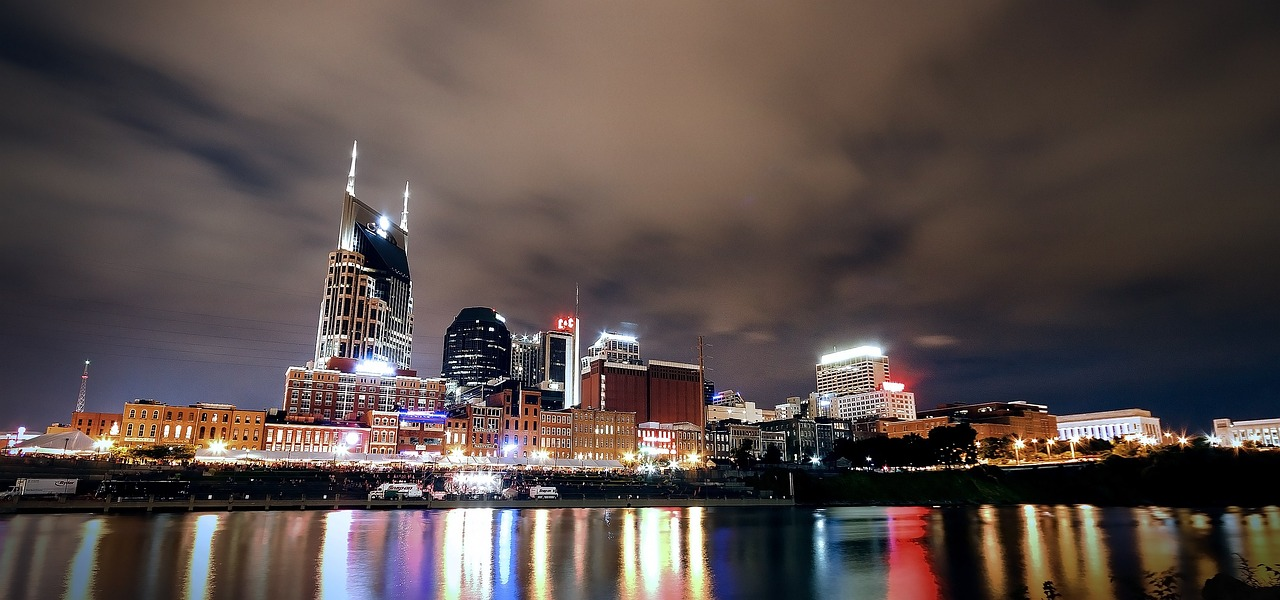
Nashville is the vibrant capital of Tennessee and a city world-famous for its music, history, and Southern charm. Nicknamed “Music City” for its legendary music scene, Nashville is the heart of the country music industry and home to iconic venues that have shaped American music➹ . It’s also sometimes called the “Athens of the South” due to its abundance of universities and classical architecture➹ . With an estimated city population of around 705,000 (2024) and over 2.15 million in the metropolitan area, Nashville ranks as the 21st-most populous city in the U.S. and is among the nation’s fastest-growing places➹ ➹ . Despite its growth into a modern metropolis, Nashville retains a friendly, small-town feel that makes visitors and newcomers alike feel right at home.
Location: Nashville sits along the winding Cumberland River in the north-central part of Tennessee (the Middle Tennessee region). It’s centrally located at the crossroads of three major interstate highways (I-40, I-65, and I-24) that converge near downtown➹ , making it a convenient hub within a day’s drive of many other cities (about 4 hours to Atlanta, 3 hours to Memphis, 2.5 to Louisville, etc.). The city’s central location also helped it become a thriving transportation and economic center over its history.
Founding & History: Founded in 1779 and named after Revolutionary War hero Francis Nash, Nashville has over 240 years of history➹ . It grew from a frontier fort on the Cumberland into a key port and railroad hub by the 1800s. During the Civil War, Nashville was the first Confederate state capital to fall to Union forces in 1862, and it was occupied for the remainder of the war➹ . Post-war, the city rebounded as a center of commerce and eventually music – in 1925 the Grand Ole Opry radio show began broadcasting, cementing Nashville’s future as the country music capital. Today, along with music and tourism, Nashville’s economy is diverse – it’s a major center for healthcare, publishing, finance, and higher education➹ ➹ . The city’s skyline and infrastructure have rapidly expanded in recent years, but you’ll still find plenty of historic buildings, from elegant antebellum mansions to honky-tonk saloons that have been around for decades.
Culture & Demographics: Nashville’s culture is a mix of deep Southern roots and cosmopolitan influence. While it’s undeniably the “Country Music Capital,” the music scene spans all genres – from rock and pop to bluegrass, gospel, and indie. The population is also increasingly diverse. In fact, Nashville is home to the largest Kurdish community in the U.S., an area dubbed “Little Kurdistan,” alongside significant Hispanic, Somali, and Vietnamese communities. This diversity is reflected in the city’s food, festivals, and neighborhoods. Locals (called Nashvillians) are known for their warmth and hospitality – expect plenty of “yes, ma’am” and “y’all come back now” friendliness. Visitors often comment on how tourist-friendly and welcoming the city feels, despite its growth. Nashville manages to balance its status as a boomtown “it city” with genuine Southern charm.
Quick Facts: (as of mid-2020s)
- Population: ~715,000 (city); 2.15 million (metro)➹ .
- Geography: Located on the Cumberland River; gently rolling hills, elevations around 550 ft.➹
- Nickname: “Music City, U.S.A.” for its music industry➹ ; also “Athens of the South” (many universities)➹ .
- State Capital: Seat of Tennessee’s government (state capitol building sits downtown on a hill).
- Major Industries: Music and entertainment, healthcare, finance, higher education, tourism.
- Sports Teams: Tennessee Titans (NFL football), Nashville Predators (NHL hockey), Nashville SC (MLS soccer)➹ .
- Famous For: Country music heritage (Grand Ole Opry, etc.), hot chicken, friendly folks, vibrant nightlife, and historic landmarks.
Nashville’s blend of rich history, musical heritage, and modern growth makes it a unique city. Whether you’re coming to tour the honky-tonks on Broadway, attend a big music festival, or even relocate for new opportunities, Nashville offers a little something for everyone. In the sections below, we’ll dive into the must-see sights, annual events, travel logistics, local hotspots, and insider tips to help you make the most of your time in Music City.
Sights & Attractions in Nashville
Lower Broadway in downtown Nashville is lined with honky-tonk bars, neon signs, and live music venues – a must-visit area for any Music City traveler.
Nashville boasts a long list of sights and attractions that cater to music lovers, history buffs, foodies, and families alike. From world-famous music stages to tranquil parks, there’s plenty to explore. Here are some of the top attractions in Nashville you won’t want to miss:
Grand Ole Opry: Arguably the most iconic attraction in Nashville, the Grand Ole Opry is a live music venue and radio show that has been running for nearly a century➹ . It’s often called the “heart of country music”, having hosted countless legendary performers. The Opry’s current home is at the Opry House, a large auditorium east of downtown, where shows happen multiple times a week. Attending an Opry performance – or taking a backstage tour during the day – is a quintessential Nashville experience that lives up to the hype➹ . You’ll hear superb live country, bluegrass, and more, and you might even witness an impromptu collaboration on stage. If you’re a music fan, the Opry is a must-do for its history and entertainment.
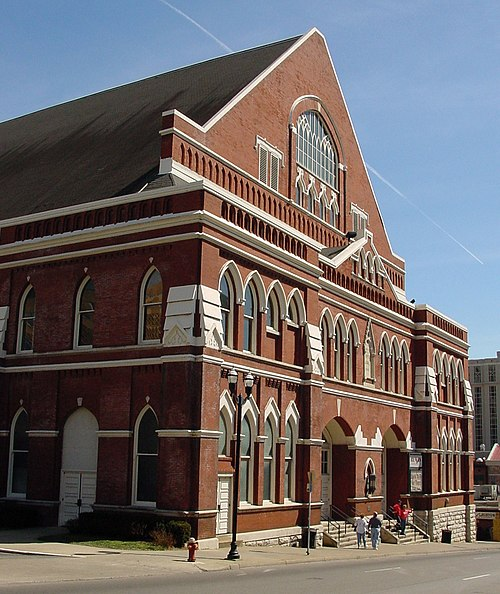
Ryman Auditorium: Downtown, you’ll find the Ryman Auditorium, known as the “Mother Church of Country Music.” This historic 19th-century tabernacle was the Opry’s home from 1943 to 1974 and is now a National Historic Landmark. By day you can take a self-guided or guided tour of the Ryman to learn about its storied past – from its origins as a gospel revival hall to the nights when legends like Hank Williams and Patsy Cline graced its stage. At night, the Ryman still hosts concerts, and its acoustics are considered among the best in the world➹ . Seeing a show in this intimate, pew-filled hall – whether country, rock, folk, or even comedy – is an unforgettable experience. The Ryman’s blend of history and modern performances really embodies Nashville’s spirit.
Country Music Hall of Fame and Museum: Just a few blocks from the Ryman, the Country Music Hall of Fame is a massive museum complex celebrating over 100 years of country music. It’s one of the top attractions for good reason➹ . Inside, you’ll find interactive exhibits, floor-to-ceiling displays of rhinestone costumes and iconic instruments, gold records, and multimedia that trace country music’s evolution from its folk roots to contemporary hits. Don’t miss the rotunda with the inductees’ plaques – a who’s who of country legends. The museum also offers a tour of the historic RCA Studio B (located on nearby Music Row), where Elvis Presley and Dolly Parton recorded classics. Even if you’re not a hardcore country fan, the Hall of Fame offers a fascinating look at American music history in general. Music lovers will leave with a deeper appreciation of the artists who made Nashville “Music City”➹ .
Broadway & Honky Tonk Highway: When people say “downtown Nashville,” they often mean Lower Broadway – a stretch of neon-lit bars, honky-tonks, and restaurants that pumps live music from morning to late night. Broadway is the ultimate nightlife and entertainment district, famous for its honky-tonk bars where aspiring musicians play for tips behind every open window and door. Spots like Tootsie’s Orchid Lounge (a purple-painted legend that’s hosted Opry stars after shows for decades), Robert’s Western World (known for rockabilly and Brazil-owned grill serving burgers), Legends Corner, and Acme Feed & Seed are just a few popular stops. By day, Broadway is relatively family-friendly – you can shop for boots or souvenirs, grab Nashville hot chicken, and maybe catch a songwriter’s set. By night, it transforms into a joyous, rowdy scene of guitar riffs and revelry. It’s not uncommon to see people two-stepping in the street or groups celebrating bachelorette parties on pedal tavern bikes. Even if bars aren’t normally your scene, a stroll down Broadway to soak up the atmosphere and live music is a classic Nashville experience➹ . For a great view, you can also walk up to the John Seigenthaler Pedestrian Bridge (connecting downtown to East Nashville) – it offers a panoramic skyline vista, especially beautiful at sunset➹ .
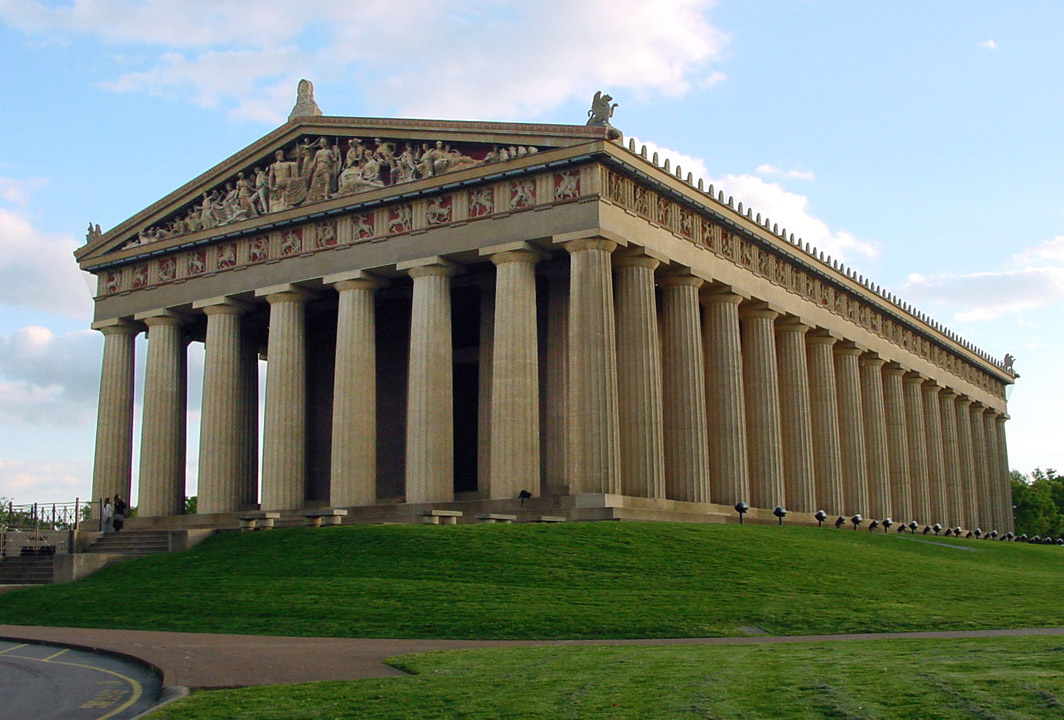
The Parthenon & Centennial Park: One of Nashville’s more unexpected attractions is a full-scale replica of the ancient Parthenon of Greece, located in Centennial Park west of downtown➹ . Originally built for the 1897 Tennessee Centennial Exposition, The Parthenon replica is complete with towering columns and a statue of the goddess Athena inside (at 42 feet, it’s an impressively detailed recreation)➹ . The Parthenon also houses an art gallery and museum about the expo. Centennial Park surrounding it is a lovely green space with walking trails, a lake, and flower gardens – perfect for a picnic or a leisurely stroll. Nashville’s nickname “Athens of the South” stems partly from this very attraction and the city’s emphasis on education and culture. It’s a great spot to relax during your visit and snap some unique photos.
Music Row & RCA Studio B: Music Row isn’t a single attraction but rather the name for the area along 16th and 17th Avenues South where dozens of recording studios, music publishers, and record labels have operated for decades. While most of the buildings just look like ordinary houses or offices (so driving through is only a brief sight), music history was made here – Elvis, Roy Orbison, Dolly Parton, and others recorded hits on Music Row. The standout site to actually visit is RCA Studio B, a small studio famed for its string of 1960s hits and known as the birthplace of the “Nashville Sound.” Tours of Studio B are offered via the Hall of Fame museum and are definitely worthwhile for music history enthusiasts – you can stand right where Elvis recorded “Are You Lonesome Tonight?” and hear stories of how they created unique music effects in that space. The studio even still has Elvis’s old piano. Nearby, you’ll also find the Musicians Hall of Fame & Museum, another museum honoring musicians from all genres (not just country) and the National Museum of African American Music, a new museum downtown that showcases Black musical influences across gospel, blues, R&B, and more. Both museums add depth to Nashville’s musical heritage beyond country tunes.
Historic Homes & Plantations: Nashville’s history comes alive through several well-preserved historic homes and estates open to the public. The Hermitage, located a short drive east of downtown, is the famed plantation home of President Andrew Jackson. You can tour the mansion, gardens, and even the slave quarters, gaining insight into early 19th-century life (and the complicated legacy of a former U.S. president). Belle Meade Historic Site & Winery, in the western part of the city, was once a thoroughbred horse farm and plantation – tours there highlight the mansion’s elegant rooms and the origins of Tennessee’s horse racing traditions, plus there’s wine tasting since they operate a winery on-site today. Belmont Mansion (on the Belmont University campus) is another opulent 1850s home to tour, known for its grand parlors. These sites are fascinating for those who enjoy antebellum architecture, presidential history, or Civil War era stories.
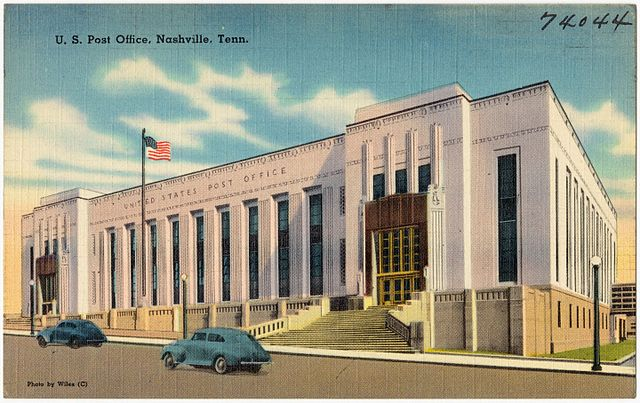
Arts & Culture: Beyond music, Nashville has a growing arts scene. The Frist Art Museum is housed in a gorgeous art deco former post office downtown and features rotating visual art exhibitions (there’s no permanent collection, so there’s always something new, from classical paintings to contemporary art installations). It’s family-friendly too, with interactive art-making stations. Street art and murals are also big here – one popular Instagram spot is the “Wings” mural in the Gulch neighborhood (officially titled “What Lifts You” by artist Kelsey Montague), where visitors line up to take a photo with giant painted wings on a wall. Other cool murals and public art can be found in 12South, East Nashville, and around Marathon Village. Speaking of Marathon Village, it’s a historic automobile factory converted into shops and galleries – also home to the American Pickers antique store and the Tennessee Whiskey Trail’s Marathon distillery stop. It’s a neat area to explore for gifts and a sense of Nashville’s industrial past.
Family Fun: If you’re traveling with kids or just love animals, the Nashville Zoo at Grassmere is a treat – it’s a large, beautifully landscaped zoo that even includes a historic farm and house on the grounds. Highlights are the Kangaroo Kickabout (an interactive exhibit where you can walk through the kangaroo enclosure) and the soaring jungle gym playground that kids adore. The Adventure Science Center near downtown is another family-friendly spot, featuring hands-on science exhibits and a planetarium – great for a rainy day or a break from music-centric activities. For outdoor fun, consider heading to Percy Warner Park or Radnor Lake State Park on the city’s outskirts – both offer peaceful hiking trails and nature within a 15-30 minute drive from the city center.
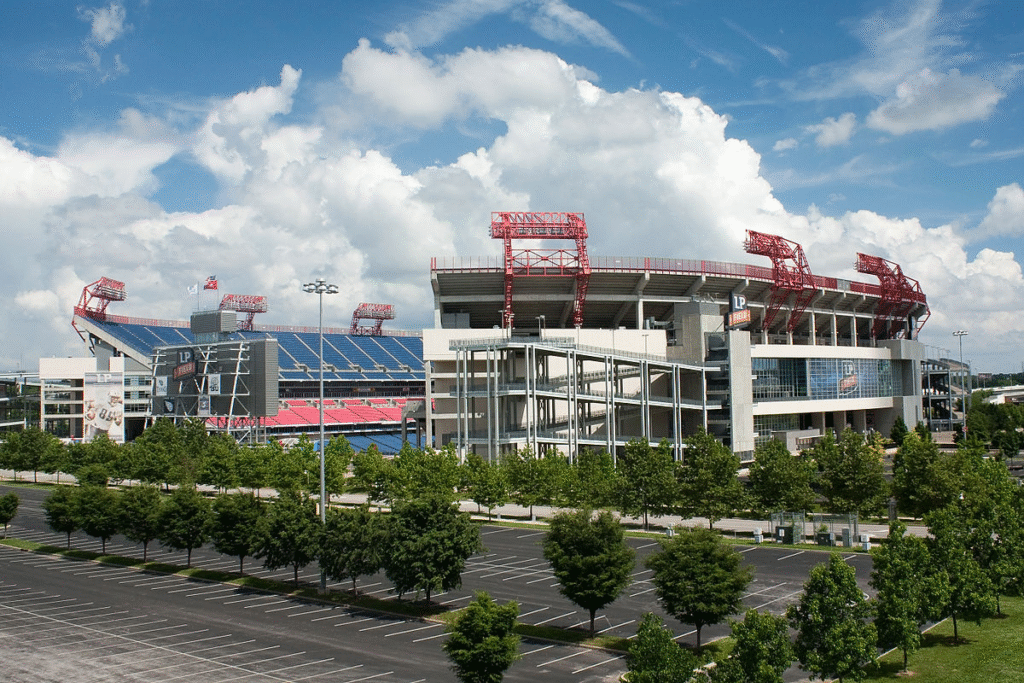
Sports & Entertainment Venues: Nashville’s pro sports venues are attractions in their own right if you’re a fan. Nissan Stadium, across the river from downtown, is where the NFL’s Titans play (and it also hosts huge concerts and events). Bridgestone Arena, right on Broadway, is home to the NHL’s Predators and also one of the busiest concert venues in the U.S. – if there’s a major touring artist in town, odds are they’re playing here. Even if you can’t catch a game or show, the energy around these venues, especially on game nights, is infectious. For a more nostalgic entertainment venue, check out a show at the Bluebird Cafe in Green Hills – this unassuming small club is famous for its songwriter’s nights, where hit writers and newcomers alike perform acoustic sets. It gained worldwide fame from the TV show Nashville, and it’s often sold out, but if you can snag a reservation, you might witness the next big songwriter in an incredibly intimate setting.
From live music temples like the Opry and Ryman, to unique spots like the Parthenon and vibrant nightlife on Broadway, Nashville’s attractions cover a broad spectrum. Plan to balance your itinerary with a mix of music history, local flavor (don’t forget to eat some hot chicken between sightseeing!), and maybe a bit of outdoor relaxation. You’ll quickly see why Nashville is more than just country music – it’s a city of creativity, community, and fun around every corner.
Events & Festivals in Nashville
Nashville’s riverfront explodes with color during the “Let Freedom Sing!” 4th of July celebration, one of the largest Independence Day fireworks shows in the nation➹ . Major festivals and live music events fill the city’s calendar all year round.
One thing’s for sure: Nashville loves to celebrate. The city’s annual calendar is packed with festivals, concerts, and special events that showcase its music, food, and diverse culture. No matter what time of year you visit, you’re likely to find some festival or live show happening. Here are some of Nashville’s biggest and most beloved recurring events to keep on your radar:
- New Year’s Eve – “Music City Midnight”: Nashville rings in the New Year with a huge downtown party officially known as Jack Daniel’s New Year’s Eve Live: Nashville’s Big Bash. This free event at Bicentennial Mall features big-name artists (often country stars and rock bands) performing outdoors and a countdown to midnight capped by fireworks and the dropping of a giant music note. It’s one of the city’s biggest parties of the year➹ , drawing tens of thousands – a fun alternative to the famous NYC ball drop, with a Southern twist (and usually milder weather!).
- Tin Pan South Songwriters Festival (March/April): This is a truly special Nashville event that shines a spotlight on the songwriters behind the hits. Tin Pan South is the largest songwriter festival in the world➹ , held over several days in early spring at venues across town. You can catch dozens of intimate shows where songwriters (from up-and-coming to very famous) perform their songs and tell the stories behind them. It’s a bucket-list item for music lovers who appreciate the craft of songwriting – you might hear a songwriter play a #1 hit they wrote for a superstar, or discover new talent in a cozy listening room. The atmosphere is wonderfully respectful and unique to Nashville’s creative community.
- Nashville Cherry Blossom Festival (April): Each spring as the dogwoods and cherry trees bloom, Nashville hosts a lovely Cherry Blossom Festival downtown (usually in April). It’s a day-long celebration of Japanese culture with music and dance performances, a cosplay contest, food vendors (don’t miss the Japanese street food bites), and thousands of pink blossoms in Public Square Park. It’s family-friendly and photo-perfect, signaling the start of spring. April also brings the Rock ‘n’ Roll Nashville Marathon and Half-Marathon, where runners race through the city’s streets with live bands playing along the course – very fitting for Music City!
- CMA Fest (June): The CMA Fest (Country Music Association Festival) is THE event of the year for country music fans. Every June, tens of thousands of fans from around the world descend on Nashville for four days of live country music, from stadium concerts to free small-stage shows➹ . Virtually every big name in country performs, as well as emerging artists. By day, stages around downtown (riverfront, Broadway, etc.) have free concerts. Each night, Nissan Stadium hosts superstar concerts (with separate ticket). There are also opportunities for meet-and-greets and fan club parties. The energy in the city is unbelievable – it’s like country music spring break, with music literally from morning until after midnight. CMA Fest is a must for any country music fan➹ , but even if you’re a casual listener, it’s an incredible time to be in Nashville (just be ready for crowds and book accommodations well in advance!).
- Bonnaroo (June): While not in Nashville proper, the Bonnaroo Music & Arts Festival takes place just down the road (about an hour away in Manchester, TN) in mid-June. Many festivalgoers fly into Nashville and often spend time in the city before/after. Bonnaroo is a multi-genre camping festival that attracts huge acts (rock, pop, hip-hop, EDM, and some country). It’s worth mentioning because Nashville often has Bonnaroo-related events and because it underscores how central Music City is to the summer music circuit.
- Let Freedom Sing! – July 4th Celebration: Nashville’s Independence Day festivities are legendary. The city puts on one of the nation’s largest July 4th fireworks shows, launching thousands of fireworks synchronized to a live performance by the Nashville Symphony➹ . The event is called “Let Freedom Sing! Music City July 4th” and includes a full day of free concerts downtown leading up to the big fireworks finale. Hundreds of thousands gather along the riverfront, Ascend Amphitheater, and Broadway area to watch. It’s truly spectacular – in 2023, for example, Nashville’s show had more fireworks than any other in the country. Also on July 4th, during the day, is the Music City Hot Chicken Festival, a fun (and spicy) celebration of Nashville’s famous dish. Held at East Park, it features hot chicken restaurants and amateurs serving up their best, plus cold beer and live music. The festival kicks off with a fire truck-led parade of cooks. It’s free and draws big crowds – pro tip: arrive early if you want a tasting plate from Prince’s or Hattie B’s before lines get long. Nothing says Fourth of July in Nashville like hot chicken and fireworks➹ !
- Tomato Art Fest (August): One of Nashville’s quirkiest annual events, the Tomato Art Fest is a two-day community festival held in East Nashville’s Five Points area, typically in August. It’s all about the tomato – yes, the fruit – which serves as a playful theme for art, music, food, and costumes. There’s a parade where people dress up in tomato-themed outfits, tomato-themed art contests, Bloody Mary making contests, and lots of live music across several stages. The festival’s motto is “A Uniter, Not a Divider” – celebrating how the tomato brings folks together➹ . You’ll find creative food vendors, local artisans, and plenty of tongue-in-cheek fun. The Tomato Art Fest has a very local, grassroots vibe and is a great way to experience East Nashville’s artsy, hipster side in full force.
- Live on the Green (Aug/Sept): In late summer, the local independent radio station Lightning 100 hosts Live on the Green, a free outdoor concert series in Public Square Park typically running Thursday nights for several weeks, culminating in a multi-day Labor Day weekend festival. It features a mix of big-name acts and local bands (not strictly country – often rock, alternative, pop). It’s a beloved local event where you can spread a blanket on the lawn by the courthouse and enjoy free music under the evening sky.
- AmericanaFest (September): Every September, the Americana Music Festival & Conference takes place in Nashville, celebrating the wide-ranging genre of Americana music (think folk, alt-country, singer-songwriter, blues, roots rock, etc.). The festival spans nearly a week with nightly showcase concerts at venues all over town (over 200 artists perform) and a professional conference during the day. It’s capped off by the Americana Music Awards at the Ryman Auditorium. For fans of Americana or just music in general, this is a fantastic event to catch future stars and well-respected veteran artists in intimate settings. The whole city has a cozy musical buzz that week, and you might rub shoulders with artists in local bars and coffee shops. It’s said to be music to Nashville’s ears every fall➹ .
- Tennessee State Fair (mid-September): After moving around a bit, the State Fair is now held at the Wilson County Fairgrounds (about 40 minutes from Nashville) as a combined Wilson County & Tennessee State Fair. If you’re in town and up for a short drive, this is a classic fair with carnival rides, agricultural exhibits, fried foods galore, and live music stages showcasing local talent. It’s a slice of Tennessee culture, usually in late August or September.
- Nashville Film Festival (Sept/Oct): Movie buffs will enjoy the Nashville Film Festival, one of the longest-running film festivals in the U.S. (over 50 years). It takes place in the fall, screening hundreds of independent films from around the world – features, documentaries, shorts, you name it. It’s a great chance to catch indie films and possibly spot a few celebrities or filmmakers in attendance. Screenings are typically at venues like the Belcourt Theatre and Regal Hollywood.
- Nashville Oktoberfest (October): Prost, y’all! Nashville throws a huge Oktoberfest in the historic Germantown neighborhood each October, celebrating the city’s German heritage. It’s one of the South’s largest Oktoberfest events, drawing hundreds of thousands of people over a long weekend. Expect giant beer tents with German beers, tons of food vendors selling bratwurst, pretzels, and schnitzel, live polka bands (alongside some Nashville-style music mix), and even a parade and Dachshund Derby (yes, wiener dogs racing is as cute as it sounds). It’s free to attend (pay for food/beer as you go), family-friendly by day (there’s a kids zone), and a big party by night. If you like beer and festive crowds, it’s a can’t-miss in the fall.
- Southern Festival of Books (October): A more low-key but wonderful event in October is the Southern Festival of Books, a free three-day festival for readers and authors. It features talks, panels, and signings by a wide range of authors (from famous novelists to local poets) and is hosted at War Memorial Plaza downtown. It’s a great event for literature lovers, with plenty of book vendors and opportunities to meet authors. Often, music and books intersect here too, with songwriter-author panels.
- Holiday Celebrations (November–December): As the year winds down, Nashville gets into the holiday spirit. In November, the famed CMA Awards take place at Bridgestone Arena – dubbed “country music’s biggest night,” this awards show brings out all the stars (it’s a tough ticket for the public, but the downtown buzz that week is palpable)➹ . Also starting in mid-November, Gaylord Opryland Resort hosts its lavish “A Country Christmas” events – the entire resort is decked out with nearly 3 million Christmas lights and features attractions like ice sculpture displays, indoor snow tubing, gingerbread decorating, and more. It’s worth visiting Opryland Hotel just to walk around the indoor gardens turned winter wonderland (pro tip: you can park at Opry Mills mall next door for free and walk over). Cheekwood Estate & Gardens also puts on a beautiful Holiday LIGHTS event with illuminated botanical displays➹ . And in December, you can catch special holiday shows like the Nutcracker by Nashville Ballet or the Amy Grant/Vince Gill Christmas at the Ryman (a beloved annual residency). Finally, the Music City Bowl, a college football bowl game, is held in late December at Nissan Stadium, bringing one more burst of sports excitement to town.
From massive music festivals to quirky local fairs, Nashville’s events reflect the city’s motto of “Music City” plus so much more. If you plan to visit during a major event like CMA Fest or a big Titans home game or concert, be sure to book accommodations well ahead and embrace the crowds as part of the experience. And if you’re not a fan of crowds, consider timing your trip during shoulder seasons or smaller events – there’s always something happening without the need for wall-to-wall people. Whenever you visit, check Nashville’s events calendar because you might stumble upon a cool festival or free concert that becomes a highlight of your trip. The communal love of music and celebration here is one of the city’s greatest charms.
Getting There: How to Travel to Nashville
Reaching Nashville is easier than ever, thanks to its central location and multiple transportation options. Whether you’re coming by air or by road, you’ll find Nashville to be a convenient destination with a well-connected network. Here’s a breakdown of how to get to (and around) Music City:
By Air – Nashville International Airport (BNA): Most long-distance visitors will arrive via Nashville International Airport, located about 8 miles east of downtown. BNA has grown into one of the busiest airports in the U.S., serving over 100 nonstop destinations with roughly 600 daily flights➹ . Major carriers including American, Delta, Southwest, United, JetBlue and others all fly into BNA, along with several budget airlines, making it competitively priced. The airport has undergone recent expansions, adding new gates and a gleaming international arrivals facility. Notably, Nashville now offers several direct international flights – you can fly nonstop to London Heathrow (British Airways), Toronto and other Canadian cities (Air Canada and WestJet), Mexico (Cancun, Cabo, etc.), the Caribbean, and seasonally to places like Dublin, Ireland➹ ➹ . Icelandair even offers seasonal flights to Reykjavík, connecting Music City to Europe via Iceland. These expanding flight options mean you can get to Nashville from many major cities in the U.S., Europe, and Latin America without a layover. Once you land, getting to town is straightforward: taxis and rideshares (Uber/Lyft) are readily available at the airport and take 15–20 minutes to downtown (in normal traffic). There are also airport shuttle services and car rental facilities if you plan to drive.
By Car – Highways and Road Trips: Nashville’s location makes it a great road trip stop or starting point. Three major interstates converge here: I-40 (east-west) runs through Nashville connecting Knoxville (180 miles east) and Memphis (212 miles west)➹ ; I-65 (north-south) brings traffic from Louisville (175 miles north) and Birmingham (approx. 200 miles south via I-65/I-59); and I-24 (northwest-southeast) connects from St. Louis via I-57/I-24 or from Atlanta via I-75/I-24. In practical terms, you can drive to Nashville from a huge swath of the Eastern and Midwestern U.S. in a day or less – roughly 4 hours from Atlanta, 3 hours from Louisville, ~7–8 hours from Chicago or New Orleans, ~10 hours from Kansas City or Dallas, etc. The highways around Nashville can get congested during rush hour, especially I-24 and I-65. But one advantage of driving is the scenic beauty as you approach – the rolling hills of Tennessee make for a pleasant drive, particularly if coming through eastern Tennessee. If you’re driving an RV, Nashville has a few RV parks/campgrounds on the outskirts, including one near Opryland, which can be a cost-effective way to stay.
Parking in downtown Nashville is the one challenge if you bring a car – hotels often charge for parking and street parking is limited in tourist areas. You might consider parking once and using other transport within the city (more on that below). Still, having a car is useful if you plan to explore beyond downtown (like visiting plantations, parks, or suburbs).
By Bus – Intercity Buses: If you prefer not to drive but want a cheaper option than flying, buses are a viable way to reach Nashville. Greyhound and Megabus/Flixbus serve Nashville with routes from various cities. The Greyhound station (which also doubles as an Amtrak bus stop) is located downtown at 709 Rep. John Lewis Way. Note that currently no Amtrak trains come to Nashville, making it one of the largest U.S. cities without passenger rail service➹ . However, Amtrak Thruway buses do connect from cities that have rail service (for instance, you can take an Amtrak train to Memphis or Atlanta and then a bus to Nashville). FlixBus offers direct routes from cities like Chicago, Indianapolis, Cincinnati, Louisville, Atlanta, etc., often at very low fares➹ ➹ . The bus ride times can be long (e.g., ~8-9 hours from Chicago), but modern buses usually have Wi-Fi and outlets. If you’re a budget traveler, this could be a good option. Once you arrive at the bus station, you’re already near downtown and can catch a rideshare or local bus to your accommodation.
By Train: As noted, Amtrak does not currently serve Nashville – the last regular train service (the Floridian) ended in 1979➹ . There have been talks of future rail service (like a potential Atlanta–Chattanooga–Nashville line), but nothing concrete yet. So unless you’re on a private luxury train tour or special charter, you won’t be arriving by train. If train travel is a must for part of your journey, one alternative is to take Amtrak to Memphis (from New Orleans or Chicago on the City of New Orleans route) or to Atlanta, and then use a bus or rental car to get to Nashville from there. For example, Amtrak’s City of New Orleans route can get you to Memphis, and then it’s about a 3-hour drive or bus ride to Nashville.
Getting Around Nashville: Once you’re in Nashville, how do you navigate the city? If you’re staying downtown or in central neighborhoods, you’ll find Uber and Lyft rideshares plentiful and often the easiest choice, especially for hopping between nightlife spots (and they save you parking hassles). The city also has WeGo Public Transit, a bus system that covers the metro area. Buses are useful and inexpensive for certain routes (the #18 bus, for instance, runs from the airport to downtown for just a couple dollars). There was once a free circulator bus in the downtown core (the Music City Circuit), but its status can change with funding – check current WeGo offerings; as of 2025, a simplified system of WeGo buses and an electric shuttle operates around key downtown stops. For exploring areas like East Nashville, 12South, or The Gulch, rideshare or driving are more convenient as buses can be infrequent.
If you plan to sightsee beyond downtown – say, visit the Hermitage, explore Belle Meade, or take day trips – renting a car may be worthwhile for a day or two. All major car rental agencies are at the airport, and some have downtown locations. Nashville’s traffic isn’t as notorious as, say, Atlanta’s or LA’s, but it has gotten busier – locals will warn you about rush hour on I-24 or I-65. Having a car also gives you the freedom to drive on the scenic Natchez Trace Parkway just outside town or go explore nearby towns like Franklin and Leiper’s Fork (great for antique shopping and seeing more Tennessean countryside).
Downtown, walking is a great way to get around the immediate tourist areas. From the Music City Center or Broadway, you can walk to the Ryman, the Hall of Fame, Bridgestone Arena, Nissan Stadium (just across the river via pedestrian bridge), and many bars and restaurants. In the warmer months, you’ll also see electric scooters available (Bird and Lime scooters are common) – these can be a fun way to zip around short distances, but be cautious in traffic and aware of local regulations (e.g., scooters aren’t allowed on Broadway late at night on weekends for safety). Bicycling is another option; Nashville has some dedicated bike lanes downtown and in certain neighborhoods, and you can rent bikes through bike-share programs like B-cycle.
Arriving by Other Means: For those on a road trip or biking trip, Nashville can be a good stop along cross-country routes. Interstate travelers will find plenty of rest stops and gas stations on the highways into town. If arriving by boat, the Cumberland River is actually navigable – river cruises like the General Jackson Showboat operate in the area, and occasionally recreational boaters do dock downtown at the Riverfront docks by Broadway (though this is not common unless you’re part of a river expedition!). Nashville also sees tour motorcoaches frequently – for example, music-themed tour buses or student group tours might include Nashville as a stop between Memphis and Atlanta.
In summary, flying is the fastest way to get to Nashville from afar, and BNA’s growing list of flights makes it easy (including direct flights from Europe and beyond). If you’re within the region, driving offers flexibility and the chance to explore at your own pace. And if you’re on a budget, buses connect Music City with many other metro areas. Once you’re here, you’ll find that while public transit is improving, having a car or using rideshares will make your visit more convenient – something to keep in mind especially if you plan to venture beyond the downtown core. However you get here, Nashville’s accessible location in the heart of Tennessee will welcome you with open arms and maybe a twangy guitar riff on the breeze.
Local Services: Restaurants, Hotels, and Activities
Nashville’s booming popularity means there’s an ever-expanding array of local services catering to both visitors and residents. From mouthwatering eateries to comfy accommodations and fun activities, you’ll be spoiled for choice. Let’s break down some highlights of where to eat, where to stay, and what to do to experience the best of Nashville like a local (with a tourist-friendly twist!).
Dining in Nashville – From Hot Chicken to High-End
One thing you’ll quickly discover: Nashville is a fantastic food city. It’s not all biscuits and barbecue (though those are great!); the culinary scene ranges from down-home Southern fare to innovative chef-driven cuisine. Here are some must-try foods and restaurants:
- Hot Chicken: Nashville’s most famous dish is hot chicken – fried chicken doused in a fiery cayenne paste, served on white bread with pickles. It’s spicy, addictive, and a point of local pride. The legend goes that Prince’s Hot Chicken Shack invented it decades ago, and you can still visit Prince’s (multiple locations now) for the original experience. Another hugely popular spot is Hattie B’s Hot Chicken, which often has a line out the door for its hot (or “Damned Hot” and “Shut the Cluck Up” heat levels!) tenders and wings. You’ll find hot chicken on many menus around town, but make sure you try the real deal at least once. Be warned: medium is pretty spicy for most – have some cold sweet tea or local beer handy. This is a must-do culinary adventure in Nashville➹ .
- Meat & Three and Southern Cooking: The classic Nashville meal, aside from hot chicken, might be a “meat and three” – essentially a cafeteria-style plate where you pick one meat (like fried chicken, roast beef, country ham) and three side dishes (veggies, mac ’n cheese, greens, beans, etc.). It’s home cooking without the home. For an authentic experience, try Arnold’s Country Kitchen, a weekday lunch spot beloved by locals and celebrities alike (a James Beard America’s Classic winner). Another is Swett’s, which has been serving Southern meat-and-three plates since the 1950s. At these places, expect hearty, comfort food – think fried catfish with turnip greens, creamed corn, and a slice of pie to finish. Also, Loveless Cafe, while a bit out of town on Hwy 100, is famous for its all-day Southern breakfast and biscuits with homemade preserves; it’s a worthwhile pilgrimage if you have a car, as it embodies country charm and hospitality.
- Barbecue: Tennessee is barbecue country, and Nashville has its own BBQ joints that compete with Memphis in quality. You can find pulled pork, ribs, smoked brisket and more. Standouts include Martin’s Bar-B-Que Joint (try the whole-hog pulled pork and the redneck taco, which is pork on a hoecake) and Peg Leg Porker in The Gulch (their dry-rub ribs are excellent, and the owner’s a local character who often hangs out there). For a newer upscale BBQ experience, Edley’s Bar-B-Que has popular locations with creative sides and fusion BBQ tacos. It’s hard to go wrong with barbecue in Nashville – just be prepared to get a little messy and very full.
- Upscale & Trendy Eats: In recent years Nashville’s food scene has gone gourmet, with chefs opening inventive restaurants especially in neighborhoods like East Nashville, Germantown, and 12South. If you’re a foodie looking for a special dinner, consider The Catbird Seat, an intimate chef’s tasting menu experience (it’s like a chef’s table where you watch the chefs cook in front of you – reservations required well in advance). Husk in Rutledge Hill (an outpost of the famous Charleston restaurant) serves farm-to-table Southern cuisine with a modern twist – think heritage pork, inventive uses of local vegetables, and craft cocktails in a historic mansion setting. Other acclaimed spots include Rolf and Daughters (Italian/New American in Germantown, known for amazing house-made pastas), City House (Italian-Southern fusion, also famous for its pizzas and belly ham), and Etch (eclectic globally-inspired menu downtown). Nashville’s food scene has range and plenty of surprises➹ – you can grab a $5 hot chicken one meal and have a white-tablecloth chef’s dinner the next.
- International Cuisine: With Nashville’s growing diversity, you’ll find great international eats as well. The city has a notable Thai food scene (try Thai Esane or Smiling Elephant), a vibrant Hispanic community bringing delicious taquerias and Mexican bakeries (South Nashville’s Nolensville Pike is lined with options like Taqueria Del Sol or Carniceria y Taqueria Don Juan for authentic tacos). There’s also a “Little Kurdistan” area (around Nolensville Pike at Elysian Fields) where Kurdish and Middle Eastern restaurants serve dishes like kabobs, shawarma, and wonderful bread – check out House of Kabob or Shish Kabob. For Indian cuisine, Chuanan and Mela are popular, and for a unique mix, try Otaku Ramen in Gulch for Japanese ramen or Epice in 12South for Lebanese bistro fare. Simply put, you can eat your way around the world in Nashville if you so choose.
No discussion of Nashville dining is complete without mentioning breakfast and brunch – locals love it. On weekends, places like Biscuit Love (famous for “bonuts” – biscuit doughnuts) draw big crowds. Pancake Pantry in Hillsboro Village is an old-school favorite for pancakes (from classic buttermilk to sweet potato). And many coffee shops like Frothy Monkey or Barista Parlor provide excellent espresso and breakfast bites to fuel your day.
Hotels & Accommodations – Where to Stay in Nashville
With tourism booming, Nashville has seen a hotel building spree. You’ll find everything from high-end luxury hotels to boutique inns to budget-friendly motels and vacation rentals. Here’s an overview to help you decide where to stay:
- Downtown / SoBro (South of Broadway): If you want to be in the heart of the action, downtown is unbeatable. You can walk to major attractions (Broadway honky-tonks, Ryman, museums, sports venues). Big full-service hotels dominate the skyline here – the Omni Nashville (attached to the Country Music Hall of Fame), the JW Marriott (with its striking curved glass tower), and the Renaissance are popular upscale choices. The Hermitage Hotel, a few blocks north of Broadway, is a five-star historic hotel dating to 1910 with opulent decor and top-notch service (if you love historic luxury, it’s worth a visit even if not staying, perhaps for a drink at the Oak Bar). There are also hip boutique hotels like Noelle, 21c Museum Hotel (with contemporary art gallery on-site), and Thompson Nashville in the Gulch – these offer stylish vibes, rooftop bars, and local flavor. Be aware downtown hotels tend to be the priciest and often fill up during big events (like CMA Fest, NFL games, conventions). Noise can also be a factor if you’re right on Broadway due to late-night revelry, so check reviews for soundproofing if you’re a light sleeper.
- Music Valley / Opryland: About 15 minutes drive from downtown, this area near the Grand Ole Opry and Opry Mills Mall offers a cluster of hotels. The star here is the Gaylord Opryland Resort & Convention Center, a destination in itself – it’s a massive resort complex with indoor gardens, waterfalls, a river you can boat on, multiple restaurants, and even an indoor water park (SoundWaves). It’s great for families or travelers who want a self-contained experience. During the holidays, it’s spectacularly decorated. Nearby are more budget-friendly chain hotels (think Comfort Inn, Fairfield Inn, etc.) which often have lower rates than downtown and free parking. Staying in Music Valley makes sense if your focus is the Opry, Opry Mills shopping, or if you prefer a quieter suburban base. Keep in mind you’ll need a car or to rely on rideshares to go downtown from here (though some hotels offer shuttles).
- Midtown / West End: The area around Vanderbilt University, Centennial Park, and Midtown (along West End Ave and Broadway as it heads out of downtown) has a mix of hotels often a bit cheaper than core downtown but still near many attractions. Midtown has lots of bars and restaurants popular with the college and young professional crowd (it’s a short ride to downtown). Hotels here include Hutton Hotel (boutique with a music writers’ studio amenity), Kimpton Aertson Hotel (upscale boutique across from Vanderbilt, with a rooftop pool), and chains like Hilton Garden Inn or Loews Vanderbilt. This area is walkable to the Parthenon and has its own nightlife strip on Division Street (different from Broadway’s scene). It can be a good central location if you want to explore both downtown and neighborhoods like 12South or Hillsboro Village.
- East Nashville: Across the river, East Nashville doesn’t have big hotels (yet) but is a hotspot for Airbnbs and smaller inns, thanks to its trendy, artistic vibe. If you’re looking for a local neighborhood feel, staying in an East Nashville cottage or a bed-and-breakfast can be great. Just be sure to check the location – East Nashville is large and some parts are farther out or more residential. Areas near Five Points or along Main Street would be ideal for proximity to hip restaurants, bars, and coffee shops. The Urban Cowboy B&B is a notable boutique inn in East Nashville for those seeking a stylish, unique stay (with clawfoot tubs and a popular public house bar on site).
- Germantown / The Gulch / 12South: These are three other popular districts just outside downtown. Germantown (north of downtown) is historic and walkable, with some smaller boutique hotels and rentals – it’s known for great restaurants and the Nashville Sounds baseball stadium. The Gulch (south of downtown, adjacent to Music Row) is a modern, upscale neighborhood with high-rise condos, trendy restaurants, and hotels like the Thompson and W Hotel. 12South is a bit further out (you’d need a car or ride), a leafy neighborhood with bungalow homes and a strip of cool shops and eateries; lodging there is mostly rental homes and a couple of boutique guesthouses. These areas are excellent if you want to experience Nashville’s local neighborhoods and still be a quick Uber from downtown.
- Budget Stays: For travelers on a budget, Nashville does have hostels – Nashville Downtown Hostel is one, and a couple of newer hostels have opened in recent years given the city’s tourism surge. There are also cheaper motels and hotels around the airport area and in outlying suburbs (like along Briley Parkway or in Brentwood or Goodlettsville), which can be significantly cheaper than downtown, though you’d absolutely need a car and you’ll spend time driving in. Weigh the savings vs. convenience if you go this route. Another option for budget-conscious or longer stays is to look at vacation rentals (Airbnb, VRBO) – just note that Nashville has instituted stricter rules on rentals, so ensure your booking is with a properly licensed host.
No matter where you stay, hospitality is a big deal in Nashville. You’ll often encounter live music in hotel lobbies, friendly staff ready with recommendations, and maybe even complimentary biscuits at breakfast. The city’s high hotel occupancy means prices can be higher than expected, but the sheer variety means every traveler should find something that fits their style – whether it’s a chic downtown high-rise with a rooftop bar or a cozy cottage in a quiet neighborhood.
Activities & Nightlife – Enjoying Nashville Beyond the Tourist Trail
We’ve covered the big attractions and events, but there’s plenty of other local activities and entertainment to enjoy in Nashville. Whether you’re looking for nightlife, outdoor fun, or unique experiences, here are some ideas:
- Live Music Every Night: It’s worth emphasizing – in Nashville, you can find live music every day of the week, almost any time of day. Beyond the famous venues, seek out some smaller spots to hear authentic local music. For example, The Bluebird Cafe (mentioned earlier) offers an intimate acoustic show experience. The Station Inn in The Gulch is a legendary bluegrass club; go on a Sunday night for the jam session where anyone can join in. Tootsie’s and Broadway bars are great, but also try Printer’s Alley (a historic alley downtown) for clubs like Skull’s Rainbow Room (burlesque and jazz) or Bourbon Street Blues Bar (for blues music). If you’re into rock/alternative, check out Exit/In or The End in Midtown for indie bands, or Basement East in East Nashville (reopened after a tornado, it’s a hub for local rock bands and indie acts). There’s also a burgeoning Jazz scene – Rudy’s Jazz Room in the Gulch has a speakeasy vibe and live jazz nightly. In short, following the music is always a good activity, and often there’s no cover charge or just a small one, especially at songwriter nights or smaller bars (do remember to tip the band or put something in the tip jar if you enjoyed the music!).
- Nightlife & Bars: If you’re less about live music and more about the social scene, Nashville has plenty of options. Rooftop bars are a big trend – almost every new hotel has one. Favorites include L.A. Jackson (on top of the Thompson Hotel) with skyline views and craft cocktails, and Bobby Hotel’s rooftop, which even has a retrofitted bus you can sit in. For a more laid-back bar experience, try a brewery taproom – Nashville’s craft beer scene has exploded. You can hop between taprooms like Yazoo Brewing, Bearded Iris, Jackalope Brewing, or TailGate. Many have outdoor patios and food trucks. If you fancy a distillery tour, downtown has Nelson’s Green Brier Distillery (reviving a historical Tennessee whiskey brand) and Corsair Distillery, both offering tastings of local spirits – a fun afternoon activity. And of course, for bourbon or whiskey lovers, a bar like Whiskey Kitchen or Bourbon Steak (which doubles as a high-end steakhouse and bar with panoramic views) will give you a taste of Tennessee and Kentucky’s finest pours.
- Shopping & Local Markets: Nashville offers distinctive shopping opportunities. If you’re looking for a cowboy hat or boots as a souvenir, there are many boot stores on Broadway (some infamous for “Buy one pair, get two free” deals – check the fine print on those). Ernest Tubb Record Shop on Broadway is a historic spot for country music records and memorabilia. For unique local boutiques, explore 12South (stores like Draper James – Reese Witherspoon’s boutique, and Imogene + Willie for custom jeans), or Hillsboro Village (bookstores, clothing boutiques, and the famous Pancake Pantry to refuel). If you enjoy flea markets and artisan goods, the Nashville Flea Market at The Fairgrounds (usually one weekend a month) is huge and fun to browse for antiques, vintage, and crafts. Also, Farmer’s Markets like the year-round Nashville Farmers’ Market near Germantown offer local produce, handmade products, and an international food hall – a nice daytime activity, especially on weekends when it’s busiest.
- Outdoor Activities: Nashville’s moderate climate (apart from hot summers) makes outdoor exploration enjoyable most of the year. If you want to get active, you can rent a kayak or paddleboard and float down the Cumberland River or the smaller Harpeth River on the city outskirts. Companies offer kayak rentals/launches that let you paddle and even see the skyline from the water. There are also some hiking trails nearby – Radnor Lake State Park offers serene lakeside trails where you can spot wildlife like deer and herons, just 20 minutes from downtown. Percy Warner Park (and adjacent Edwin Warner Park) have a network of trails with more challenging terrain and beautiful overlooks; it’s a favorite for hikers and joggers. For a shorter walk with historical context, the Shelby Bottoms Greenway in East Nashville provides paved paths along the river and connects to the pedestrian bridge by Nissan Stadium. Bikers can rent bikes and take the greenway for a scenic ride. Golfers might enjoy the public courses around town, or even Topgolf (the entertainment golf range venue is just across the river from downtown).
- Family and Quirky Activities: If you want something offbeat, consider taking a line dancing lesson at the Wildhorse Saloon – they offer free lessons on most days and it’s a blast for all ages. Or hop on a tractor party wagon – yes, in downtown Nashville you’ll see tractor-pulled open-air wagons carting groups of people who are partying, dancing, and sipping from plastic cups; it’s a very “NashVegas” thing to do (often for bachelorette parties), and you can book a seat on one even if you’re not with a big group. There are also pedal taverns (group bicycle bars) and party barges – all part of the unusual mobile nightlife Nashville has become known for. It may not be everyone’s cup of tea, but it sure is an only-in-Nashville sight!
For family fun beyond the Zoo and Science Center mentioned earlier, check out Adventureworks Zipline Forest in nearby Kingston Springs for zip-lining adventures, or Nashville Shores water park (with slides and a wave pool, on Percy Priest Lake) if visiting in summer. Sports fans might tour First Horizon Park (home of the minor league Nashville Sounds baseball team) or catch a game if in season – the ballpark even has guitar-shaped scoreboard. And if you happen to visit in September during Tennessee Titans season or winter for a Predators hockey game, attending a pro game with passionate local fans is a thrilling activity (Nashville loves its teams – the atmosphere at a Preds hockey game, where they chant at opposing goalies, is tons of fun).
Overall, Nashville’s local services and activities ensure you can fill your days and nights with great food, comfortable stays, and memorable fun. The city’s energy is infectious – you might start your day with a tranquil park walk or museum visit, enjoy a fantastic meal, then end up dancing to live music at midnight. The mix of southern tradition and modern innovation in Nashville’s restaurants, hotels, and entertainment options gives visitors a chance to craft whatever kind of experience they desire, be it family-friendly, romantic getaway, music pilgrimage, or just a good ol’ time with friends.
Tips for Visiting or Moving to Nashville
Whether you’re planning a short visit or considering a longer stay in Nashville, a few insider tips will help you navigate the city like a pro. Nashville is welcoming and easy-going, but every city has its quirks and best practices. Here are some key tips for visitors and newcomers alike:
- Best Time to Visit: Nashville is a year-round destination, but the spring (April–May) and fall (September–October) are arguably the most pleasant times. During these months, the weather is mild – think warm days and cool nights – and the city hosts numerous festivals and outdoor events➹ . Spring brings blooming flowers (and pretty scenery in parks like Centennial and Cheekwood), while fall offers colorful foliage and events like Oktoberfest and fall music happenings. Summer (June–August) is fun and packed with concerts, but be prepared for hot, humid weather in July/August and the occasional thunderstorm. Winter is relatively mild (average highs in the 40s°F/50s°F), with rare snow, and it’s the off-season for tourism – that means smaller crowds and cheaper hotel rates except around holidays. December is quite charming with holiday lights and events, but January–February are the quietest months. If you come in summer, stay hydrated and wear sunscreen, especially if you’ll be at outdoor festivals. If you come in winter, bring layers – a sunny 55°F day can be followed by a below-freezing night.
- Plan for Events (or Avoid Crowds): As mentioned, Nashville has major events that swell the city’s population. If you’re coming specifically for one (say, CMA Fest, a big concert, or a sports playoff game), book your accommodations well in advance – hotels downtown sell out or charge premium prices during these times. Downtown can also get very crowded (for example, Broadway during CMA Fest is shoulder-to-shoulder). Embrace the excitement and give yourself extra time for everything – walking through crowds, getting restaurant seats, etc. Conversely, if crowds aren’t your thing, you might plan your trip during a less busy time. For instance, avoid early June if you don’t want CMA Fest crowds, avoid NFL home game weekends in the fall if you aren’t interested in football traffic, etc. There’s always something happening, but some weekends are much busier than others.
- Getting Around Town: As noted in the transport section, downtown is walkable, but beyond that Nashville is a car-centric city. If you stay downtown, you can get by with walking and the occasional Uber/Lyft ride. If you plan to explore neighborhoods (which you should – 12South, East Nashville, Germantown, etc. have great local scenes), then using rideshare or renting a car for a day or two could be helpful. Traffic: Rush hour on weekdays (7-9am and 4-6pm) can clog the interstates and some main arteries like West End or Nolensville Pike. If you’re driving, try to avoid peak times or use navigation apps for alternate routes. Also, Nashville drivers are generally polite, but note that turns on red lights are allowed (after stop) except where signed, and pedestrians don’t always have automatic right of way unless in a crosswalk – so be cautious if walking in busy areas.
- Parking Tips: If you have a car, downtown parking garages and lots can be $20-30 for a day or event. Street parking downtown is metered and often limited to 2 hours. A good strategy: use apps like ParkIt or SpotHero to find deals, or park slightly away from Broadway (for example, near the Nissan Stadium on the east bank, then walk over the pedestrian bridge into downtown). Many museums and the library have public parking garages that are a bit cheaper than the honky-tonk core. In neighborhoods like 12South or Germantown, street parking is free but can fill up at peak times. Pay attention to any permit signs in residential areas.
- Safety & Courtesy: Nashville is generally a safe city for tourists. The downtown and tourist districts are well-patrolled and populated. As always, use common sense: keep an eye on your belongings, especially in crowded bars; if you’re out late on Broadway, travel in groups or by official rideshare/taxi, and know your limits with the generous drinks some bars serve. Outside of downtown, some areas might feel sketchy at night if they’re deserted, but violent crime is low in tourist zones. One thing: Nashville has a significant homeless population downtown (like many cities). You’ll likely encounter panhandlers or individuals who may ask for money. A polite “sorry, I can’t” usually suffices if you’re not comfortable giving. The city and charities do provide resources for them, so use your discretion.
- Live Music Etiquette: When you’re enjoying music at a honky-tonk or songwriters’ round, remember the artists often play for tips. If you liked their set, throw a few dollars in the tip jar or Venmo them (many bands now have a posted Venmo handle). It’s customary, especially on Broadway where there’s often no cover charge, to buy at least one drink and tip the band before leaving a venue. Also, don’t be that person loudly yelling during a quiet Bluebird Cafe set – Nashville audiences tend to be attentive and respectful, which is why musicians love playing here.
- Reservations & Lines: The hottest restaurants (like Husk, or Biscuit Love for brunch) can have long waits or require reservations. If there’s a spot you’re dying to try, see if you can book ahead. If not, a good strategy is to go early – e.g., for Biscuit Love, arriving at opening can save you an hour in line. Many places also have bar seating or communal tables that might get you in faster than a standard table. For venues like the Bluebird Cafe, reservations online open a week in advance and often fill in seconds – plan accordingly. The Grand Ole Opry shows often sell out, so buying Opry tickets in advance is wise, especially peak season. The same goes for popular tours (Studio B, the Hatch Show Print tour, etc.) – check if you can book online beforehand.
- Embrace the Weather: Summers are hot – pack breathable clothes, maybe a hat, and definitely comfortable shoes (you’ll likely be doing a lot of walking, and perhaps dancing!). Winters can be chilly and occasionally wet, so have a coat and maybe an umbrella. Spring and fall can swing between warm and cool, so layers are your friend. Also note: Tennessee can get strong thunderstorms; if a sudden downpour or storm hits, duck into a bar or shop and wait it out – they usually pass quickly. In the rare event of severe weather (like tornado warnings, which are infrequent but possible mainly in spring), heed local alerts – venues will often make safety announcements if needed.
- Local Customs & Manners: Nashville is a friendly city in the heart of the South, so a little politeness goes a long way. People appreciate a “hello” or small talk. Don’t be surprised if strangers strike up a conversation – especially in line for shows or at a bar. It’s not intrusive, it’s just Southern friendliness. Saying “y’all” will endear you, and calling someone “ma’am” or “sir” (common in the South) is seen as polite. If you’re driving, sometimes folks wave you through four-way stops even if it’s your turn – just smile and wave back. Tipping: Standard U.S. tipping rules apply – 18-20% at restaurants for good service, $1 per drink at bars, a few bucks for hotel housekeeping per day, etc. Also, musicians as mentioned appreciate tips.
- For Newcomers (Those Moving to Nashville): If you’re relocating to Nashville, welcome! A few pieces of advice specific to setting roots here: Take time to explore neighborhoods before choosing where to live – each has its own vibe (East Nashville is artsy, Germantown is chic and historic, Green Hills/Belle Meade is more suburban upscale, etc.). The housing market has been hot, so be prepared for competition if buying, or rising rents if renting. Many people move here for work in healthcare, tech, music, or auto manufacturing – networking is key, and luckily Nashvillians are well-connected and open to helping newcomers. Traffic is a common gripe among locals as the city grows, so if possible, consider commute times when picking a job or home location. Public schools vary by neighborhood, so families often research that closely or look at private school options. One great thing about Nashville is that it’s still a relatively small big city – it won’t take long to become familiar with main roads and favorite spots, and you’ll soon start running into people you know at events. The community is welcoming, so do engage: join a local church or volunteer group (Nashville’s big on community involvement), attend neighborhood festivals, and of course, enjoy the music scene. You’ll find that becoming a “Nashvillian” means sharing a love for the city and maybe picking up a little twang in your voice over time.
- Miscellaneous Tips: Nashville is in the Central Time Zone (GMT-6) – something to note if you’re coordinating travel (for example, if flying in from the East Coast, you gain an hour). The city’s tap water is safe and tastes fine, and you’ll often get free ice water at bars if you ask (staying hydrated is important when drinking or in hot weather). Smoking is banned inside restaurants and bars in Nashville (as in most U.S. cities), though some bars on Broadway have balconies or patios where it’s allowed. If you need information or maps, the Nashville Visitor Center (there’s one in Bridgestone Arena and another at Fifth + Broadway complex) can provide brochures and personal guidance – they’re very helpful if you want suggestions or tickets. And finally, don’t be shy to ask locals for recommendations – Nashvillians are proud of their city and usually happy to point you to their favorite hot chicken joint or a cool hidden music spot you might not find in a guidebook.
Enjoy Yourself: The most important tip! Nashville is a city of joy – its very foundation is built on music that moves people. Whether you’re here for a weekend or moving for a new chapter of life, soak in the energy. Say yes to that invitation to dance at a honky-tonk. Try the extra spicy chicken (at least once). Clap along at the Opry. Watch the sunset over the Cumberland. You’ll create memories in Nashville that will strike a chord for years to come. Safe travels and welcome to Music City, y’all!