
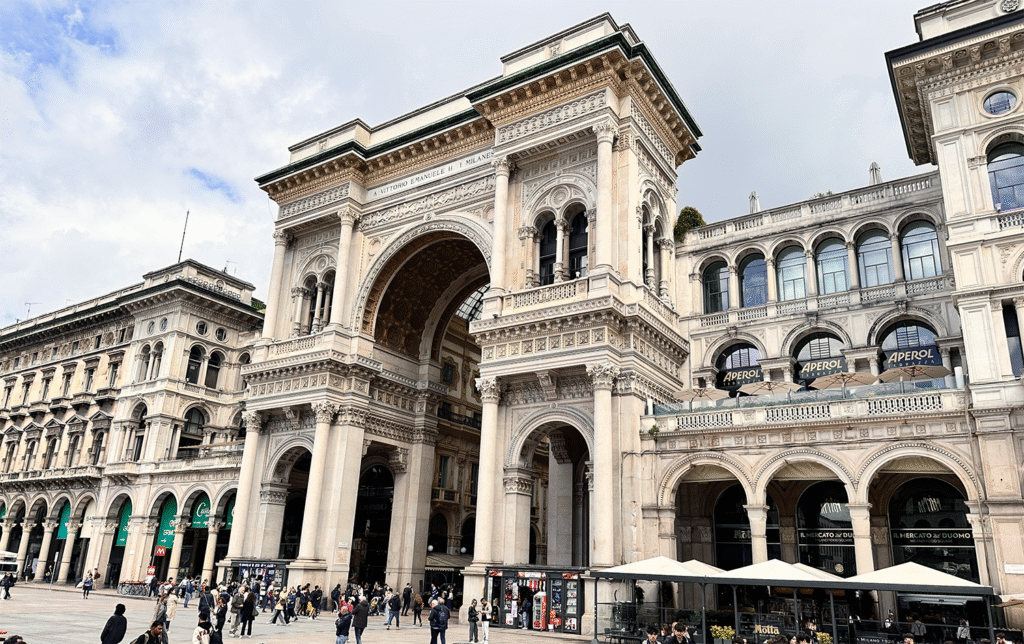
Photo credit: Historic Galleria Vittorio Emanuele II, Milan’s iconic 19th-century shopping arcade
Milan, known locally as Milano, stands as Italy’s economic powerhouse and global fashion capital. This dynamic metropolis in northern Italy seamlessly blends ancient Roman heritage with cutting-edge innovation, from Leonardo da Vinci’s masterpieces to the soaring spires of the Gothic Duomo. As the country’s second-largest city and host of the upcoming 2026 Winter Olympics, Milan offers visitors an intoxicating mix of world-class art, haute couture, and authentic Italian culture.
Milan at a Glance: Essential Facts for Travelers
| Location | Northern Italy, Lombardy region |
|---|---|
| Coordinates | 45°28′N, 9°11′E |
| Population | 1.4 million (city), 3.2 million (metropolitan area) |
| Area | 182 km² |
| Elevation | 120 meters above sea level |
| Time Zone | Central European Time (CET/CEST) |
| Calling Code | +39 02 |
| Postal Codes | 20100-20162 |
| Known For | Fashion, design, finance, La Scala opera house, Gothic cathedral |
| Current Mayor | Giuseppe Sala (since 2016) |
| Official Website | comune.milano.it |
| Patron Saint | Saint Ambrose (Sant’Ambrogio) |
Upcoming Events in Milan
| Date | Title | Details |
|---|---|---|
| 2026-08-30 to 2026-10-25 | Navigli Antiques Market | On the last Sunday of each month, the picturesque canals of the Navigli district host the Mercatone dell’Antiquariato, one of Milan’s largest antiques and vintage markets. Hundreds of stalls line the waterside along the Naviglio Grande, selling antique furniture, jewellery, books, prints, ceramics, vinyl and curiosities. Browsers can hunt for treasures before pausing for the neighbourhood’s famous aperitivo at a canal-side bar. Free to wander, the market is a beloved Milan tradition and a lovely way to spend a Sunday. [Source] |
| 2026-09-17 to 2027-01-17 | Aki Sasamoto: XYZ at Pirelli HangarBicocca | Pirelli HangarBicocca reopens for the season on 17 September with XYZ, an exhibition by Japanese artist Aki Sasamoto in the Shed space, on view until 17 January 2027. Sasamoto is known for sculptural installations and performance work that turn everyday objects and habits into wry meditations on daily life. Admission to the former factory hall in the Bicocca district is free, as with all shows at the venue, where visitors can also see Anselm Kiefer’s permanent monumental installation The Seven Heavenly Palaces. Open Thursday to Sunday. [Source] |
| 2026-09-19 | Batman Day 2026: Gotham City Nights | Milan celebrates Batman Day on Saturday 19 September with Gotham City Nights at Teatro Alcione, running from 7:00 PM to 11:00 PM. The evening offers themed games, activities, photo opportunities and set pieces, crowned by the first Italian big-screen showing of the 1993 animated classic Batman: Mask of the Phantasm. Fans can also try the new LEGO Batman game ahead of its console release. Entry is free with advance registration, subject to availability, and in the days before, the 1989 Tim Burton Batman returns to city cinemas. [Source] |
| 2026-09-22 to 2026-09-28 | Milan Fashion Week | Milan Fashion Week is one of the four great pillars of the global fashion calendar, with the women’s spring-summer shows staged across the city in late September. The world’s leading Italian houses, from Prada and Armani to Versace and Dolce and Gabbana, unveil their collections on the catwalk, drawing designers, buyers, celebrities and press from around the globe. While the runway shows are largely industry-only, the city buzzes with events, showrooms and street style. It cements Milan’s status as a fashion capital. [Source] |
| 2026-10-03 to 2026-10-11 | Milano Wine Week | Milano Wine Week is one of Italy’s biggest celebrations of wine, filling the city with tastings, masterclasses, dinners and events across restaurants, wine bars and historic venues each October. It brings together producers from every Italian region and beyond, alongside industry professionals and enthusiasts, to explore the country’s extraordinary winemaking heritage. Some events are trade-focused while many are open to the public. Prices vary by event, from free pours to ticketed masterclasses. It is a must for wine lovers visiting Milan. [Source] |
| 2026-10-08 to 2027-02-21 | Luciano Fabro: Inhabiting Space at Pirelli HangarBicocca | From 8 October, the vast Navate hall of Pirelli HangarBicocca hosts Abitare lo spazio – Inhabiting Space, a major exhibition devoted to Luciano Fabro, a central figure of Italy’s Arte Povera movement. The show, running until 21 February 2027, explores how the Milan-based artist rethought sculpture through space, material and light, from his celebrated Italia works to glass and marble pieces. Admission is free, making it an easy addition to any autumn visit; the industrial architecture of the former Pirelli plant gives the works spectacular room to breathe. [Source] |
| 2026-11-05 to 2026-11-08 | EICMA International Motorcycle Show | EICMA, the world’s most important two-wheeler exhibition, returns to the Fiera Milano Rho fairgrounds from 5 to 8 November. Manufacturers from across the globe unveil next year’s motorcycles, scooters and e-bikes alongside accessories and technology, while the outdoor MotoLive arena stages stunt shows and race demonstrations throughout the day. The fair regularly draws hundreds of thousands of visitors, from industry professionals to families of enthusiasts. Ticket prices vary by day and category, with online purchase recommended, and the Rho fair is reached directly by metro line M1. [Source] |
City News in Milan – last 14 days
| Date | Category | Headline | Details |
|---|---|---|---|
| 2026-09-14 | Public safety | Tree falls in Piazza Risorgimento, injuring three people | An elm tree collapsed in Piazza Risorgimento in central Milan, injuring three people who were taken to hospital: a 41-year-old man, a 20-year-old woman and a 21-year-old man. None is reported to be in life-threatening condition. Residents of surrounding buildings said the tree had been visibly leaning for months and that the risk had been flagged, raising questions about the monitoring and maintenance of the city’s street trees. The area was cordoned off while crews removed the fallen trunk. [Source] |
| 2026-09-14 | Sports | Daniel Maldini fails roadside tests after Porsche crash; club says lab results negative | Cagliari forward Daniel Maldini crashed his Porsche Carrera into another car in Milan at dawn after scoring a decisive goal against Atalanta the previous evening. Roadside checks recorded a breathalyser reading almost double the legal limit and a positive preliminary drug screening, leading to a criminal complaint and the withdrawal of his licence. His club later said full toxicology tests came back negative and that the player has returned to training while the judicial process continues. [Source] |
| 2026-09-14 | Public safety | Illegal after-hours club in Comasina shut down with 65 patrons inside | Police shut down an unlicensed after-hours club operating in Milan’s Comasina district after a morning raid found 65 patrons dancing to reggaeton and cumbia at 7:30 AM. The venue was run behind the front of a private association, whose president has been reported to prosecutors. Officers documented unauthorised sale of alcohol and safety violations in the packed space. The operation is part of a wider crackdown on illegal nightlife venues that operate outside licensing, fire-safety and noise rules. [Source] |
| 2026-09-14 | Business | Apple Piazza Liberty staff announce strike over workloads | Employees of the flagship Apple store at Piazza Liberty, near the Duomo, are preparing to strike on Friday 18 September with a three-hour picket outside the iconic glass-cube entrance. Unions say staffing levels have fallen while workloads have grown, and that fixed-term contracts are not filling persistent gaps in the roster. The protest at one of Apple’s most visible European stores comes as retail unions push the company for better staffing commitments across its Italian locations. [Source] |
| 2026-09-14 | Local affairs | Family doctors strike on 15 and 16 September with Milan demonstration | Family doctors are striking on 15 and 16 September against the partial agreement on Community Health Houses signed in June, with a demonstration planned in Milan. The protesting unions argue the reform loads general practitioners with new obligations without resolving staffing and funding problems in primary care. The largest GP union, Fimmg, has distanced itself from the walkout, saying closed practices will not deliver results and calling for concrete proposals instead. Patients may face postponed appointments during the two days. [Source] |
| 2026-09-14 | Local affairs | Four days of free breast cancer screening visits in Milan | Milan is hosting four days of free breast-examination visits organised by the Centro Diagnostico Italiano with the Umberto Veronesi Foundation as part of the Pittarosso Pink Parade 2026 prevention campaign. Women can book appointments for clinical checks aimed at early detection of breast cancer, with slots allocated through an online reservation system. Organisers stress that regular screening dramatically improves treatment outcomes, and the initiative targets in particular women outside the age ranges covered by the public screening programme. [Source] |
| 2026-09-14 | Local affairs | LILT opens its eighth Casa del Cuore for families of young cancer patients | The Italian League for the Fight Against Cancer has opened its eighth Casa del Cuore in Milan, a hospitality home for the families of children undergoing treatment at the National Cancer Institute. The apartments allow parents and siblings to stay close to young patients during long therapy cycles without bearing the cost of accommodation in one of Italy’s most expensive cities. The charity’s growing network responds to the steady flow of families travelling to Milan’s specialist paediatric oncology services. [Source] |
| 2026-09-14 | Business | Half of Lombardy’s workers earn less than 25,000 euros a year | Half of all employees in Lombardy earn less than 25,000 euros gross a year, according to a report by the UIL trade union, a striking figure for Italy’s richest region. The study puts the gender pay gap at around 10,000 euros and warns that many workers under 35 earn close to subsistence level. Unions argue that Milan’s high living costs make low pay especially corrosive, and are pressing for renewed collective agreements and measures against precarious contracts. [Source] |
| 2026-09-14 | Local affairs | Americans and French lead record foreign presence in the city centre | Foreign visitors made up the overwhelming majority of people in Milan’s city centre this summer, ranging from 60 percent of visitors in June to just over 68 percent in August, with Americans and French the largest groups. The data confirm Milan’s transformation into a year-round international destination, buoyed by fashion, design and business tourism. City officials and retailers welcome the spending power, while debate continues about short-term rentals, rising prices and how to keep the centre liveable for residents. [Source] |
| 2026-09-14 | Business | Italian footwear industry launches UNESCO heritage bid from Micam | The Italian footwear sector has launched its candidacy for recognition as UNESCO intangible cultural heritage, with the announcement made at the Micam shoe fair at Fiera Milano. A support committee chaired by Fiera Milano Foundation president Giovanni Bozzetti will steer the bid, which honours the generations of artisans whose skills have made Italian shoemaking a global benchmark. Promoters describe the initiative as a prize for craftsmanship that transforms know-how into culture, and hope recognition will help attract young talent to the trade. [Source] |
| 2026-09-14 | Education | Forestami Academy launches tree-education project for 100 Milan classes | The Forestami Academy has launched Tra le Chiome, meaning Among the Canopies, an educational project that will involve one hundred school classes across Milan. Pupils will explore the role of trees and plants in the urban environment, learning how greenery cools streets, cleans air and supports biodiversity. The programme is part of the wider Forestami initiative, which aims to plant millions of trees across the metropolitan area, and it connects classroom teaching with hands-on activities in parks and school gardens. [Source] |
| 2026-09-14 | Education | Crans-Montana fire survivors from Virgilio high school return to class | Francesca, Sofia, Kean and Leonardo, the four students of Milan’s Virgilio high school who survived the New Year’s Eve fire at the Constellation building in Crans-Montana, have returned to school after months of hospital treatment and rehabilitation. Accompanied by their parents and welcomed by classmates of their class, the four described the day as a great emotion and another step back towards normality. Teachers have prepared individualised plans to help them catch up while continuing therapy. [Source] |
| 2026-09-14 | Culture | Marracash and Gue celebrate ten years of Santeria before 30,000 fans | Rappers Marracash and Gue marked the tenth anniversary of Santeria, the album credited with changing Italian rap, with a huge celebratory concert at Milan’s Ippodromo attended by around 30,000 fans. The duo performed the record that defined a generation of Italian hip-hop, joined by guests from the scene it helped create. The evening confirmed Milan’s role as the capital of Italian rap, and the emotional show closed the city’s big outdoor concert season at the La Maura racecourse area. [Source] |
| 2026-09-11 | Culture | Nivola rite returns to the Duomo for the Holy Nail celebrations | Milan’s cathedral has revived the centuries-old Rito della Nivola, in which the archbishop is raised in an ornate cloud-shaped lift to retrieve the relic of the Holy Nail kept high above the main altar. The spectacular ceremony opens the Triduo del Santo Chiodo, three days of celebrations dedicated to the relic, which tradition holds comes from the Crucifixion. Visitors to the Duomo during this period can see the relic displayed and witness one of the city’s most distinctive religious traditions. [Source] |
Milan Events & City News Archive
Sources: YesMilano, Pirelli HangarBicocca, Il Giorno, Camera Nazionale della Moda Italiana, Milano Wine Week, EICMA, ANSA Lombardia, Il Giorno
Weather Forecast for the Next 14 Days in Milan
| Date | Weather | Max °F | Min °F | Rain mm |
|---|---|---|---|---|
| 2026-09-14 | ☁️ | 81.4 °F | 65.1 °F | 0.0 mm |
| 2026-09-15 | ⛅ | 80.3 °F | 65.4 °F | 0.0 mm |
| 2026-09-16 | ☁️ | 79.5 °F | 64.5 °F | 1.6 mm |
| 2026-09-17 | ⛈️ | 74.7 °F | 66.2 °F | 12.1 mm |
| 2026-09-18 | ⛈️ | 73.7 °F | 65.2 °F | 20.4 mm |
| 2026-09-19 | ☁️ | 75.7 °F | 63.4 °F | 0.0 mm |
| 2026-09-20 | ⛅ | 78.3 °F | 57.9 °F | 0.0 mm |
| 2026-09-21 | ☁️ | 78.4 °F | 61.1 °F | 0.0 mm |
| 2026-09-22 | ⛅ | 76.7 °F | 64.4 °F | 0.0 mm |
| 2026-09-23 | ☁️ | 71.8 °F | 63.2 °F | 0.0 mm |
| 2026-09-24 | ☁️ | 71.6 °F | 61.4 °F | 0.0 mm |
| 2026-09-25 | ☁️ | 68.1 °F | 58.4 °F | 0.0 mm |
| 2026-09-26 | 🌧️ | 65.8 °F | 62.4 °F | 1.8 mm |
| 2026-09-27 | ☁️ | 72.1 °F | 57.7 °F | 0.0 mm |
Milan’s History
Milan has been Italy’s commercial nerve center for over two thousand years. The current city is layered on Roman, medieval, Renaissance, and modern foundations — and unlike Rome, the layers here are mostly working buildings rather than tourist sites.
Ancient Origins and Roman Glory
Milan’s story begins around 400 BCE when Celtic tribes called the Insubres settled in the fertile Po Valley. The Romans conquered the area in 222 BCE, establishing the settlement of Mediolanum (“in the middle of the plain”). This strategic location at the crossroads of Alpine passes made it a crucial trade hub. By 286 AD, Emperor Diocletian elevated Milan to one of the Roman Empire’s residence cities. The city reached its zenith in 313 AD when Emperors Constantine and Licinius issued the historic Edict of Milan, granting religious freedom to Christians throughout the empire — a pivotal decree that marked Milan as a center of early Christian influence.
Medieval Turbulence and Rise
The fall of Rome brought centuries of upheaval: Visigoths invaded in 402 AD, Attila the Hun in 452 AD, Ostrogoths in 539 AD, and Lombards in 569 AD. Charlemagne’s Franks conquered the city in 774 AD, integrating it into the Carolingian Empire. Milan’s fortunes revived in the 12th century when it joined the Lombard League in 1167, successfully resisting Holy Roman Emperor Frederick Barbarossa. The city emerged as a powerful independent commune, laying the groundwork for its future prosperity.
Renaissance Splendor: Visconti and Sforza
The Visconti family seized control in 1277, transforming Milan into a magnificent Signoria. In 1395, Gian Galeazzo Visconti became the city’s first duke, commissioning the Gothic Duomo that still dominates the skyline today. The Sforza dynasty took power in 1450, ushering in Milan’s Renaissance golden age. Under their patronage, the city attracted luminaries like Leonardo da Vinci, who painted The Last Supper and designed innovative canal systems. The Castello Sforzesco became a center of art and learning, rivaling Florence and Rome.
Foreign Rule and Napoleonic Era
French kings coveted Milan’s wealth, leading to decades of warfare. After Spanish Habsburg rule, Napoleon conquered the city in 1796, making it capital of his Cisalpine Republic. The French emperor left lasting marks — including the neoclassical Arco della Pace and the expansion of La Scala opera house. The 1815 Congress of Vienna returned Milan to Austrian control, but the seeds of Italian nationalism had been planted. In 1848, Milanese citizens staged the heroic Five Days Uprising, temporarily expelling Austrian forces. The 1859 Battle of Solferino finally liberated Milan, which joined the newly unified Kingdom of Italy under Victor Emmanuel II.
Modern Milan: Industry to Innovation
The late 19th and early 20th centuries saw Milan emerge as Italy’s industrial capital. The city attracted waves of immigrants from rural Italy, becoming a hotbed of socialist activism — and ironically also the birthplace of fascism, when Mussolini founded his Fascio di Combattimento here in 1919. World War II brought devastating bombing raids, with over a third of Milan’s buildings damaged or destroyed; the tragic 1944 bombing of a school in Gorla claimed 186 lives. From the rubble rose the “miracolo economico” of the 1950s–60s, transforming Milan into a symbol of Italy’s post-war revival. By the 1980s, Milan had reinvented itself as a sleek, prosperous metropolis and the undisputed fashion capital of Italy.
Geography, Climate & Best Time to Visit Milan
Geographic Setting
Milan sits in the heart of the Po Valley, Italy’s most fertile and economically productive region. The city lies between the Alps to the north and the Po River to the south, with the Olona and Lambro rivers flowing through its territory. This strategic position has made Milan a natural transportation hub for centuries, connecting northern Europe with the Mediterranean. The historic Navigli canal system, partially designed by Leonardo da Vinci, once powered the city’s economy and transported the marble used to build the Duomo. Today, these charming waterways form the heart of Milan’s nightlife district.
Climate Overview
Milan experiences a humid subtropical climate with continental influences. The city has four distinct seasons, each offering different visitor experiences. Winters are colder and foggier than the rest of Italy; summers are hot and sometimes uncomfortably humid.
| Month | Avg High (°C) | Avg Low (°C) | Rainfall (mm) | Sunshine Hours |
|---|---|---|---|---|
| January | 6 | -1 | 59 | 1.5 |
| April | 17 | 7 | 82 | 6.0 |
| July | 29 | 18 | 68 | 9.4 |
| October | 18 | 9 | 122 | 4.5 |
When to Visit
Spring (March–May): Mild temperatures and blooming gardens make this ideal for sightseeing. Fashion Week in February/March adds extra excitement. Summer (June–August): Hot and sunny weather perfect for outdoor dining and aperitivo culture. Many locals vacation in August, so some restaurants close. Fall (September–November): Comfortable temperatures and autumn colors, though October brings the most rainfall. September Fashion Week draws international crowds. Winter (December–February): Cool and often foggy, but magical for Christmas markets and cozy museum visits. La Scala’s opera season runs from December to July.
Milan’s Districts & Neighborhoods
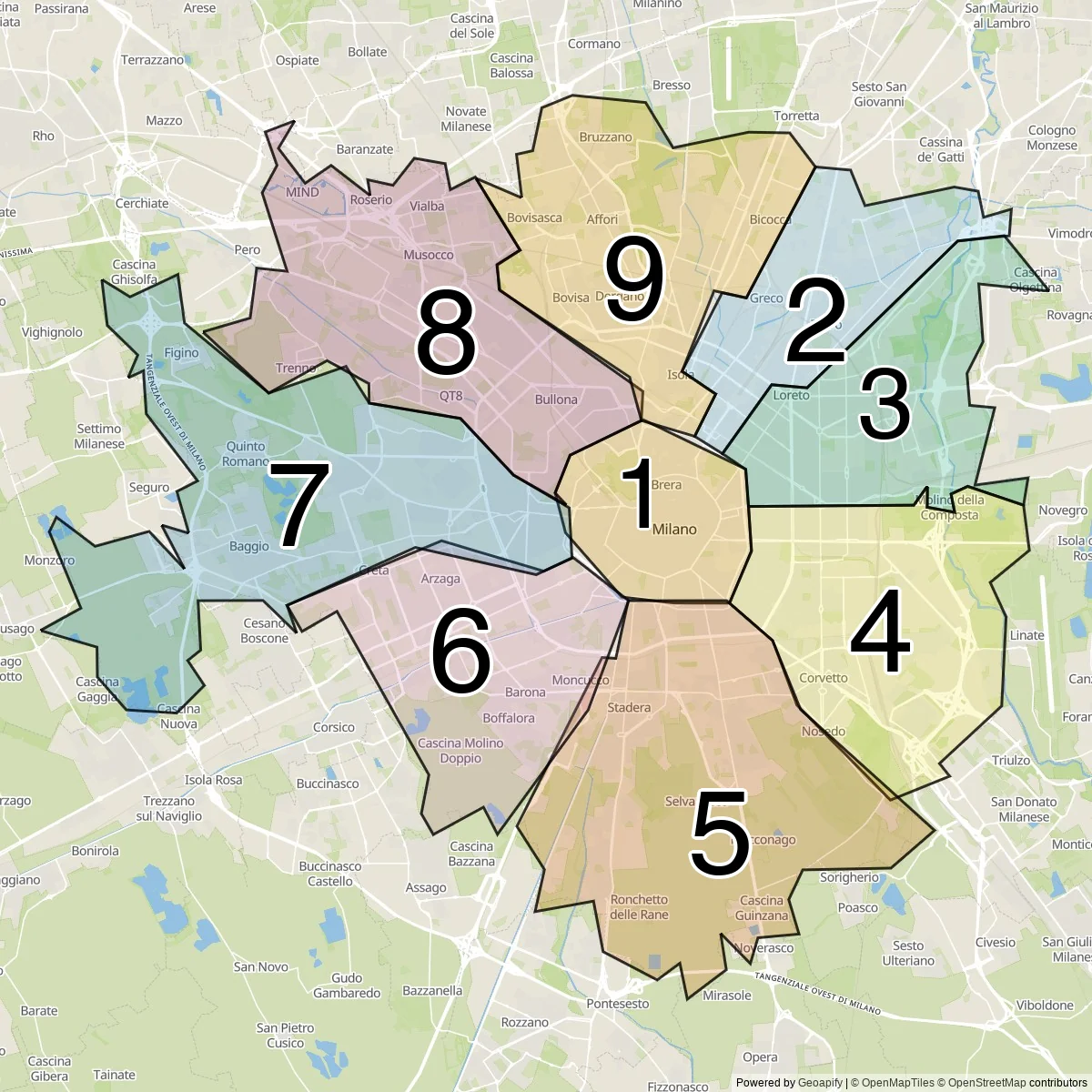
Milan is divided into nine administrative districts (Municipi) radiating from the historic center, each with distinct character and attractions.
Municipio 1: Historic Heart
The city’s beating heart encompasses the Duomo, Galleria Vittorio Emanuele II, and La Scala. The artistic Brera district offers boutique hotels and galleries, while the Quadrilatero della Moda (Fashion Quadrilateral) around Via Monte Napoleone provides luxury shopping and upscale accommodations. Where to stay: Brera for artistic atmosphere, or near the Duomo for maximum convenience.
Municipio 2: Porta Garibaldi & Isola
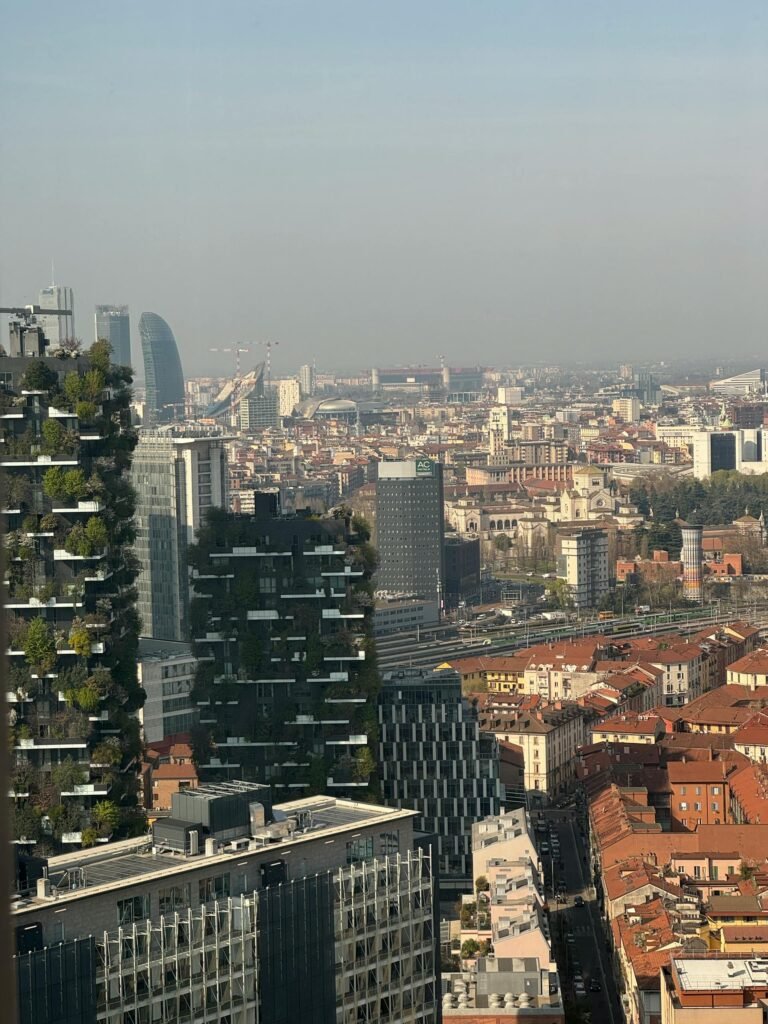
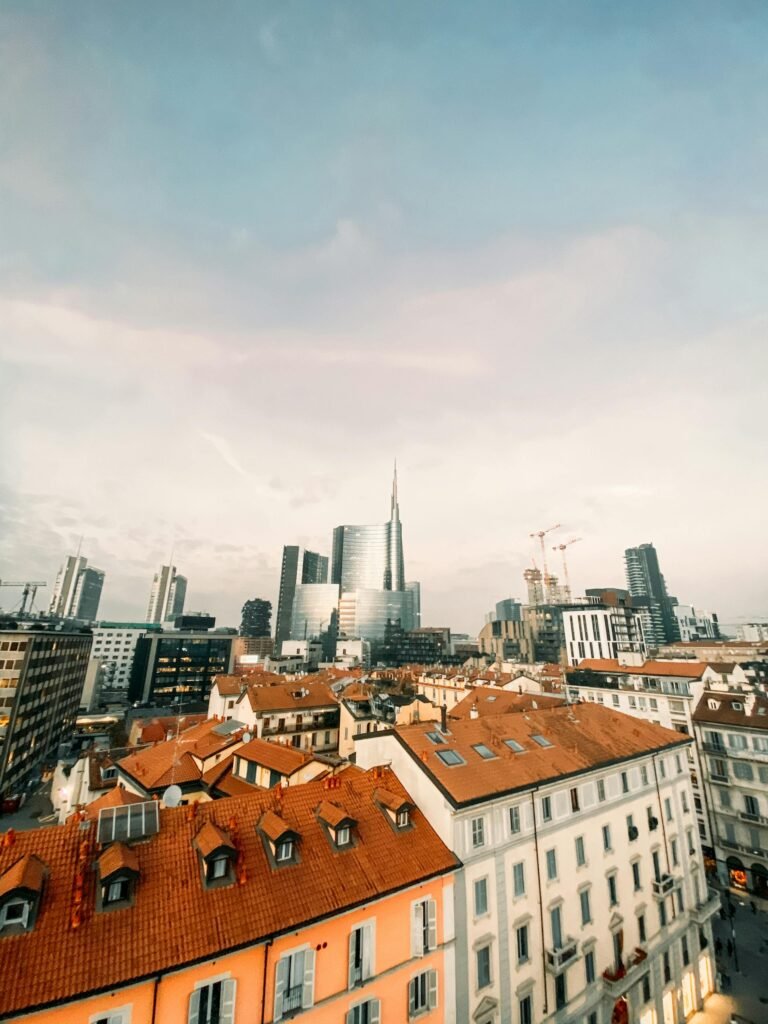
Home to the futuristic Porta Nuova business district with its Vertical Forest towers (Bosco Verticale). The trendy Isola neighborhood offers hip restaurants and nightlife while maintaining an authentic local feel. Where to stay: business travelers and those seeking modern amenities with easy metro access.
Municipio 3: Porta Venezia & Città Studi
The vibrant Porta Venezia area features Art Nouveau architecture and diverse dining options. Città Studi houses several universities, creating a youthful, energetic atmosphere. Where to stay: budget-conscious travelers and those wanting student-life energy.
Municipio 6: Navigli Canals
The historic canal district comes alive at night with bars, restaurants, and live music venues. This former working-class area has transformed into Milan’s premier nightlife destination. Where to stay: night owls and those seeking authentic aperitivo experiences.
Municipio 7: San Siro
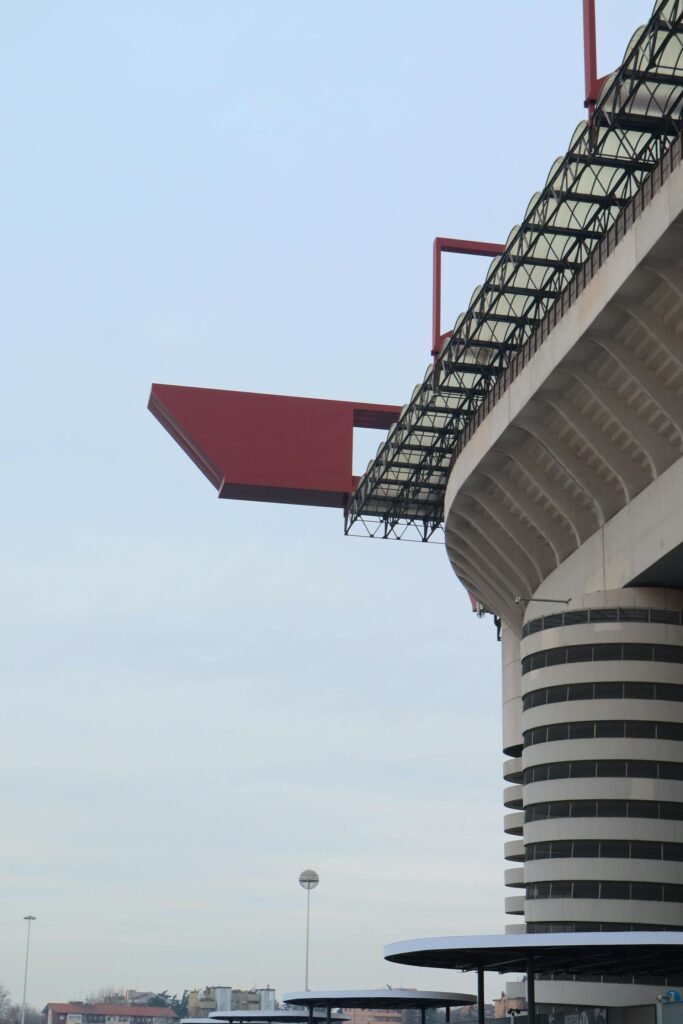
Home to the legendary San Siro Stadium, shared by AC Milan and Inter Milan. The surrounding area offers more affordable accommodations with good transport links. Where to stay: football fans and budget travelers comfortable being outside the center.
Top Things to Do in Milan
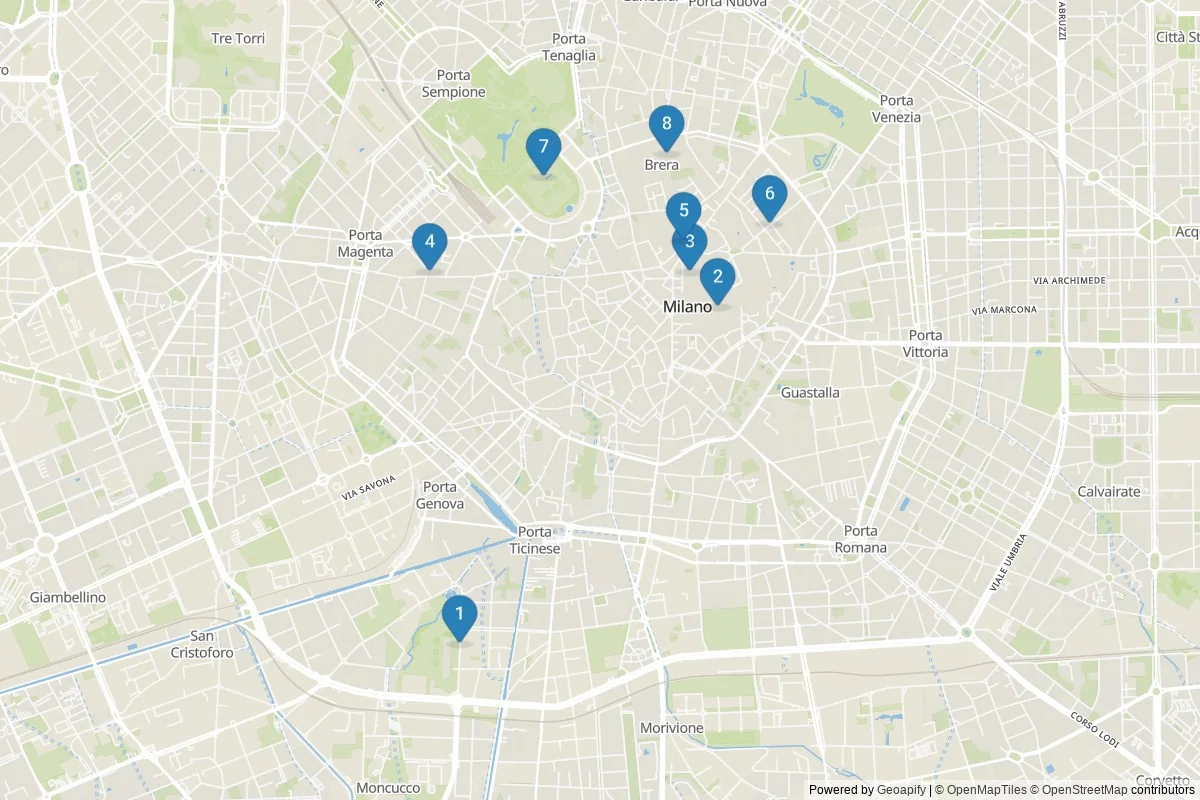
| # | Sight | Cluster | Type | Time | Entry | Best |
|---|---|---|---|---|---|---|
| 1 | Navigli Canals | Central | Canal district | ~2 hrs | Free | Sunset |
| 2 | Duomo di Milano | Central | Cathedral | ~2 hrs | €10 roof | Morning |
| 3 | Galleria Vittorio Emanuele II | Central | Arcade | ~30 min | Free | Evening |
| 4 | Last Supper (Santa Maria delle Grazie) | Central | Painting | ~30 min | €15+ book ahead | Morning |
| 5 | La Scala Opera House | Central | Opera house | ~1 hr | €12 museum | Afternoon |
| 6 | Quadrilatero della Moda | Central | Fashion district | ~1 hr | Free | Afternoon |
| 7 | Castello Sforzesco | Central | Castle | ~1.5 hrs | €5 | Morning |
| 8 | Pinacoteca di Brera | Central | Art museum | ~2 hrs | €15 | Morning |
| 🚗 | Day Trip: Lake Como | Day trip | Day trip | Full day | €10 train | Morning |
Iconic Landmarks
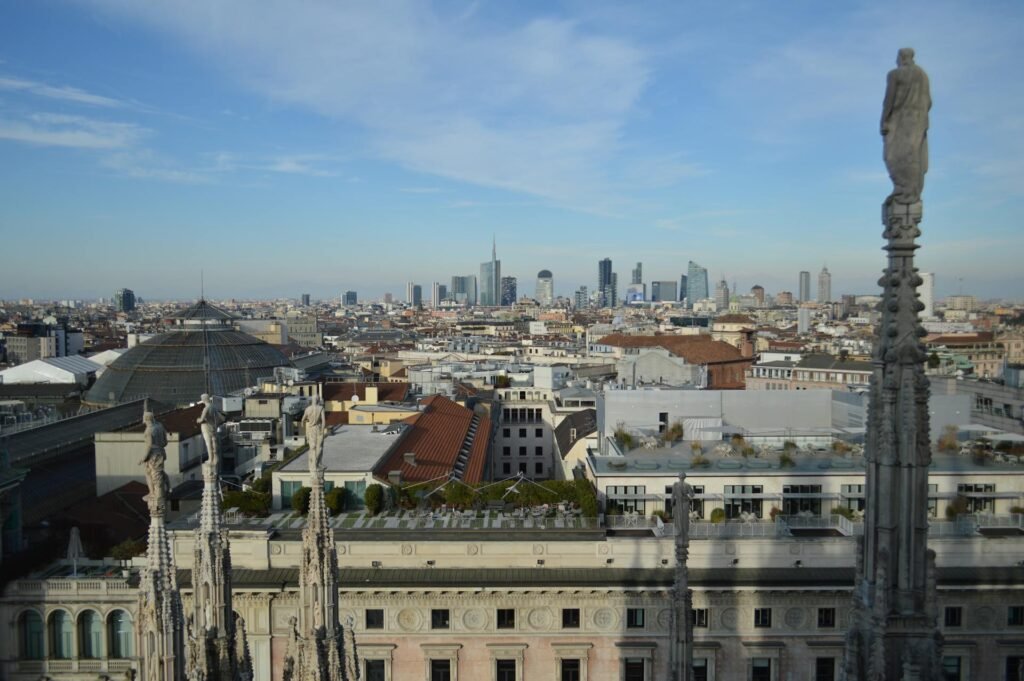
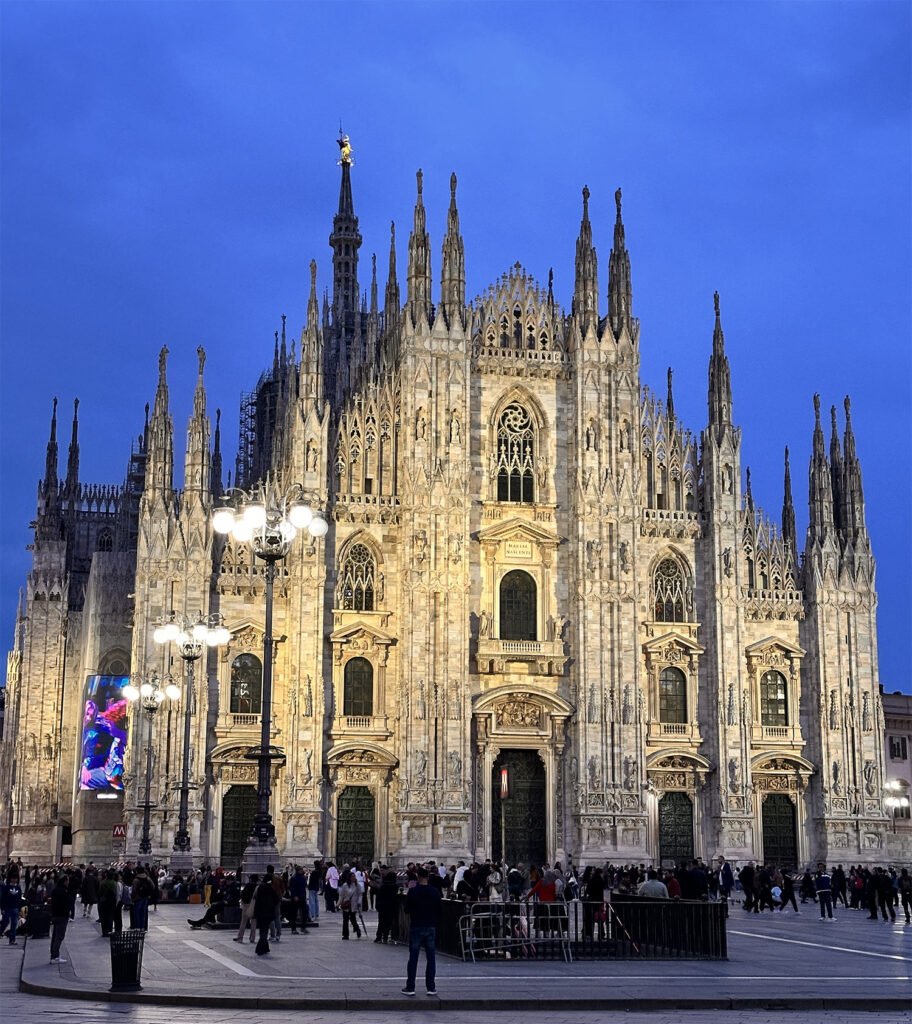
Duomo di Milano: This Gothic masterpiece took nearly six centuries to complete (1386–1965). Climb to the rooftop terraces for breathtaking views of the city and the Alps on a clear day. The cathedral houses over 3,400 statues and 135 spires, making it the third-largest church in the world.
Galleria Vittorio Emanuele II: The world’s oldest active shopping mall (1877) features stunning iron and glass architecture. Don’t miss the local tradition of spinning your heel on the bull mosaic in the floor for good luck — there’s now a worn divot from millions of repetitions. Teatro alla Scala: The world’s most famous opera house has premiered works by Verdi and Puccini since 1778. Even if you can’t catch a performance, the museum offers fascinating insights into opera history. Castello Sforzesco: This Renaissance fortress houses nine museums, including Michelangelo’s final sculpture, the Pietà Rondanini. The surrounding Parco Sempione provides a green oasis in the city center.
Art and Museums
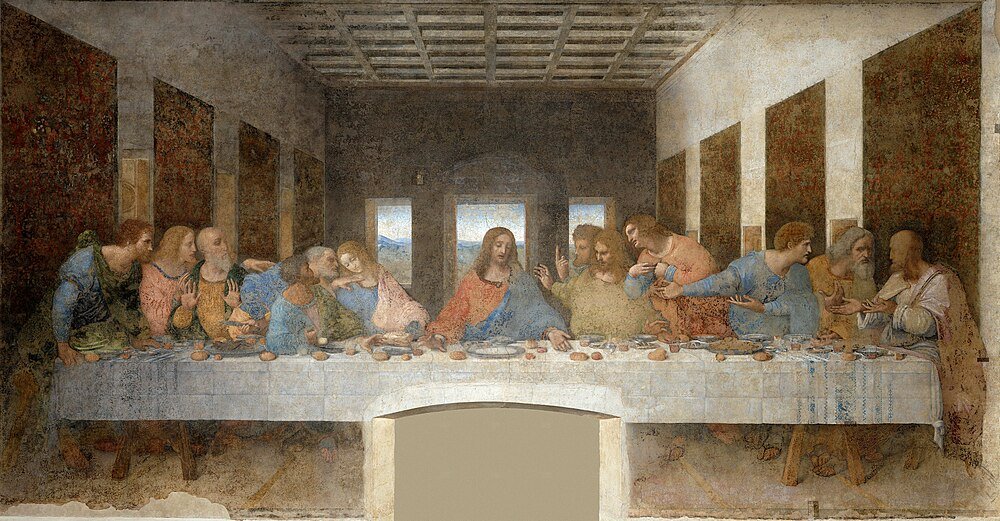
The Last Supper: Leonardo da Vinci’s masterpiece at Santa Maria delle Grazie requires advance booking months ahead. This UNESCO World Heritage site offers strict 15-minute viewing slots for small groups (max 35 people at a time). Tickets are released in batches via the official portal.
Pinacoteca di Brera: Milan’s premier art gallery showcases masterpieces by Raphael, Caravaggio, and Titian in a beautiful Baroque palace. Pinacoteca Ambrosiana: Houses Leonardo’s Codex Atlanticus and works by Botticelli and Titian, plus a historic library with over one million books. Museo del Novecento: Dedicated to 20th-century Italian art, featuring Futurist works (Boccioni, Balla) and contemporary pieces with panoramic city views over Piazza del Duomo.
Historic Sites
Basilica di Sant’Ambrogio: One of Milan’s oldest churches (4th century), dedicated to the city’s patron saint. The Romanesque architecture and ancient mosaics offer glimpses into early Christian Milan. Colonne di San Lorenzo: 16 Roman columns from the 2nd century, once part of a temple or bathhouse, now an open-air monument. Cimitero Monumentale: This monumental cemetery (1866) is an open-air museum of funerary art, with elaborate tombs and sculptures by major Italian artists.
Modern Attractions
Porta Nuova District: Milan’s futuristic business district features the Bosco Verticale (Vertical Forest) twin towers with their forests of integrated trees, and Italy’s tallest building, the Unicredit Tower. Navigli Canals: These historic waterways now form the heart of Milan’s nightlife scene with countless bars and restaurants — particularly the Naviglio Grande and Naviglio Pavese.
How to Get to Milan
By Air
Malpensa Airport (MXP): Milan’s main international airport, 45 km northwest of the city. The Malpensa Express train connects to Milano Centrale in 50 minutes (€13); buses serve various city locations. Linate Airport (LIN): Closer to downtown (7 km), primarily serving European and domestic flights. The M4 metro line now connects directly to San Babila in 12 minutes (opened 2022). Orio al Serio (BGY): Located near Bergamo, 45 km from Milan; this budget-airline hub is served by shuttle buses to Milano Centrale (1 hour).
By Rail
Milano Centrale: This magnificent Art Deco station (1931) serves high-speed trains to Rome (3 hours), Florence (1.75 hours), Naples (4.5 hours), and international destinations including Paris, Zurich, and Munich. Other stations: Porta Garibaldi handles regional services and some high-speed trains; Rogoredo and Lambrate serve suburban and regional routes.
By Road
Milan sits at the intersection of major highways: A1 (to Rome), A4 (Turin–Trieste), A8/A9 (to Switzerland). The city operates a weekday congestion charge (Area C) for the historic center and Area B low-emission zone covering most of the city — be aware before driving in.
Getting Around Milan
Public Transportation
ATM Milano operates an integrated transport system including metro, buses, trams, and trolleybuses. The network uses color-coded lines and clear M-S-R signage for easy navigation. Metro: Five lines now (M1-Red, M2-Green, M3-Yellow, M4-Blue opened 2022, M5-Purple) connect major attractions and districts. Trains run from 6 AM to midnight (1 AM on Saturdays). Trams: Milan boasts one of Europe’s largest tram networks, including historic 1928 vehicles still in service on heritage routes (the Tram 1 from the Duomo passes through several photogenic neighborhoods). Buses and Trolleybuses: Comprehensive network covering areas not served by metro or trams, including night services.
Alternative Transportation
Cycling: Milan dramatically expanded its bike-lane network during the pandemic — over 35 km of new routes added since 2020. Bike-sharing systems (BikeMi) and rental shops are widely available. Taxis and Ride-sharing: Traditional white taxis and ride-sharing services like Uber and FreeNow operate throughout the city. Walking: The compact historic center is highly walkable, with most major attractions within easy reach of each other.
Food & Drink in Milan
Milanese Specialties
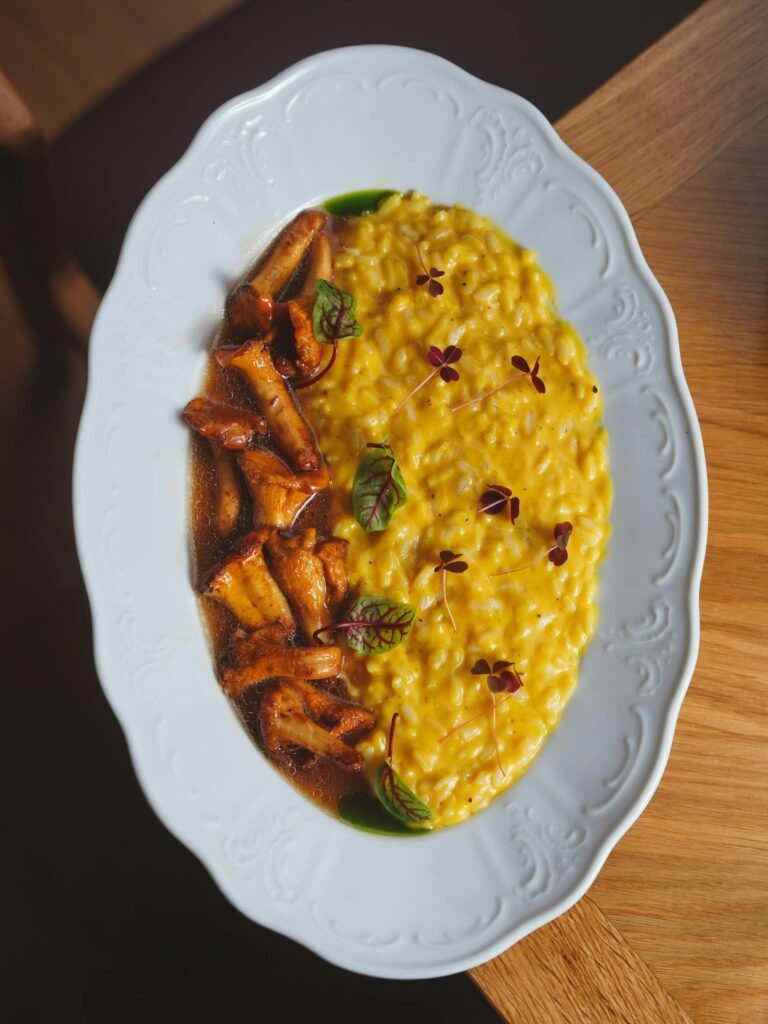
Risotto alla Milanese: Creamy saffron risotto, the city’s signature dish, traditionally served with osso buco. Cotoletta alla Milanese: Breaded veal cutlet, similar to Wiener Schnitzel but distinctly Lombard in preparation (bone-in is the traditional version). Panettone: Milan’s gift to the world — this sweet bread originated here and remains a Christmas tradition. The Marchesi and Cova bakeries make canonical artisanal versions. Aperitivo Culture: The Milanese perfected the pre-dinner drink ritual. Join locals from 6–8 PM for Aperol Spritz, Negroni, or Negroni Sbagliato with complimentary appetizers (sometimes a full buffet).
Where to Eat
Brera District: Upscale restaurants and wine bars in artistic surroundings. Navigli: Trendy eateries and aperitivo spots along the canals. Porta Ticinese: Diverse dining options from traditional trattorias to international cuisine. Quadrilatero della Moda: High-end restaurants favored by fashion industry insiders during Fashion Weeks.
Markets and Food Halls
Mercato di Porta Palazzo: Traditional market for fresh produce and local specialties. Eataly: Gourmet food hall showcasing the best of Italian cuisine with restaurants and shops; the Smeraldo location near Porta Garibaldi is the city flagship.
Culture & Arts
Fashion Capital
Milan ranks alongside Paris and New York as a global fashion capital. The Quadrilatero della Moda houses flagship stores of Prada, Gucci, Versace, and Armani — most based or headquartered here. Milan Fashion Week, held twice yearly (February for Fall/Winter, September for Spring/Summer), sets international trends and attracts industry professionals worldwide.
Design and Architecture
The annual Salone del Mobile furniture fair transforms Milan into the world’s design capital each April — the city becomes a giant showroom with installations across every neighborhood. The city showcases architectural evolution from Roman ruins to futuristic skyscrapers, including works by contemporary masters like Zaha Hadid (CityLife residences), Norman Foster, and David Chipperfield.
Music and Opera
La Scala remains the pinnacle of opera performance — the season opening on December 7 (Saint Ambrose’s day) is one of the most prestigious cultural events on the European calendar. The city’s conservatories and concert halls maintain Milan’s musical heritage; the Giuseppe Verdi Conservatory is Italy’s largest music school.
Milan by District: The 9 Quartieri
Milan is divided into 9 districts. The map below shows their official OSM boundaries, colour-coded to match the table — a quick way to orient yourself before zooming in on individual sights.
| # | Quartieri |
|---|---|
| 1 | Municipio 1 |
| 2 | Municipio 2 |
| 3 | Municipio 3 |
| 4 | Municipio 4 |
| 5 | Municipio 5 |
| 6 | Municipio 6 |
| 7 | Municipio 7 |
| 8 | Municipio 8 di Milano |
| 9 | Municipio 9 |
Frequently Asked Questions About Visiting Milan
Do I need a visa to visit Milan?
Milan falls under Schengen Area visa rules. EU/EEA/Swiss citizens enter freely with a national ID card. Citizens of the US, UK, Canada, Australia, Japan, and roughly 60 other countries enter visa-free for stays up to 90 days within any 180-day period — but starting in 2026 those visitors will need to register with the new ETIAS travel authorization system (about €7, valid 3 years). Other nationalities need a Schengen visa applied for at the Italian consulate before travel; the official portal is vistoperitalia.esteri.it.
Is Milan safe for tourists?
Milan is generally safe — violent crime against tourists is rare. The main risks are pickpocketing and tourist scams in crowded areas. The US State Department rates Italy at “exercise increased caution” for the standard Western European baseline. Pickpockets work the metro especially around Milano Centrale, the Duomo crowds, and at the Galleria entrance. Watch for the bracelet-tying scam at the Duomo, the petition scam, and aggressive panhandlers at major sites. Stick to well-lit central streets at night. The area immediately around Centrale station can feel rough late at night — take a taxi rather than walking.
How many days do I need in Milan?
Two to three full days handles the major sights without rushing. A solid 2-day plan: Day 1 the Duomo + rooftop terraces + Galleria + La Scala + Quadrilatero shopping; Day 2 Castello Sforzesco + Pinacoteca di Brera + Last Supper (book months ahead!) + evening at Navigli. Stretch to 3 days for the Pinacoteca Ambrosiana + Cimitero Monumentale + Porta Nuova / Bosco Verticale. Add days for Lake Como (1 hour by train), Bergamo, or the Italian Lakes. Milan is the easiest base for exploring Northern Italy.
What’s the best area to stay in Milan?
Three solid options. Brera is the artistic-historic choice — boutique hotels in restored buildings, the Pinacoteca, walkable to the Duomo. Quadrilatero / near Duomo for first-time visitors prioritizing the headline sights — pricier but irreplaceable for sightseeing convenience. Porta Nuova / Isola for the modern Milan experience — Vertical Forest views, modern hotels, easy metro to everywhere. Skip the area immediately around Milano Centrale unless price is critical. Skip the suburbs entirely unless you have business reasons.
How much does it cost to visit the major sites?
Major Milan sites require advance booking. The Last Supper at Santa Maria delle Grazie: €15 via the official cenacolovinciano.org portal — tickets release in batches and sell out within hours; book 2–3 months ahead. Duomo combination ticket (cathedral + rooftop terraces + crypt + museum + archaeological area): around €20 via duomomilano.it. La Scala Museum: €12. Pinacoteca di Brera: €15. Castello Sforzesco: €5 (museums; the courtyard is free). The Galleria Vittorio Emanuele II is free to walk through; window-shopping is the main expense.
Should I drink the tap water in Milan?
Yes. Milan’s tap water meets EU standards and is safe for drinking, brushing teeth, and ice. The water comes from Alpine sources via aqueduct, treated lightly. The Gruppo CAP utility publishes water quality reports. Restaurants will serve free tap water if you ask (acqua del rubinetto), though many automatically serve bottled — Milan has not yet caught up with the Northern European tap-water norm. The city has installed public drinking fountains (fontanelle) in major piazzas and parks.
What’s the dress code in Milan?
Milan is Italy’s fashion capital, and locals dress accordingly — generally smarter than other Italian cities and significantly smarter than most international tourists. For sightseeing: smart-casual is the Milanese default; clean fitted clothes, leather shoes preferred over sneakers. For churches (the Duomo especially): covered shoulders and knees required and enforced — bring a scarf in summer; security at the Duomo turns away tourists in tank tops. For restaurants and aperitivo: smart-casual is the minimum; jeans and t-shirts are fine in casual places but not at the Quadrilatero or rooftop bars. For La Scala: jacket recommended for men, smart attire for women — formal dress for opening night and premieres.
Is tipping expected in Milan?
Less than in the US — closer to Italian national norms. Service is included in restaurant prices in Italy; the coperto (cover charge, €1–3 per person) you’ll see on bills is a flat seating fee, not a tip. Restaurants: 5–10% in cash for good sit-down service if no service charge is added; round up at casual places. Cafés: leave the small change at the bar (note: standing at the bar is significantly cheaper than table service in any Milanese café — Italians always do this for morning espresso). Taxis: round up to nearest euro. Hotel porters: €1–2 per bag. Tour guides: €5–10 for half-day group tours, more for private guides. Don’t tip on US percentages — it’s seen as flashy.
Economy & Business
Milan serves as Italy’s economic engine, hosting the headquarters of major corporations including Pirelli, Alfa Romeo, Mediaset, Mediobanca, and the Borsa Italiana stock exchange (operating from the historic Palazzo Mezzanotte in Piazza Affari). The city’s economy spans fashion, finance, technology, and tourism. Over 2.3 million international visitors annually contribute significantly to the local economy. Milan consistently ranks among Europe’s most livable cities, placing 42nd globally in 2018 quality-of-life surveys.
Sports
Milan’s football culture centers on the legendary rivalry between AC Milan and Inter Milan, both playing at the iconic San Siro Stadium (officially Stadio Giuseppe Meazza). The Derby della Madonnina is one of football’s most passionate encounters. The city excels in other sports: Olimpia Milano dominates basketball with 26 national titles; rugby and ice hockey teams have claimed numerous championships. The nearby Monza Circuit hosts Formula 1’s Italian Grand Prix each September. Milan will co-host the 2026 Winter Olympics with Cortina d’Ampezzo, marking another milestone in the city’s sporting legacy. The Giro d’Italia cycling race traditionally concludes in Milan, while the Milan-Sanremo classic begins here each spring.
From ancient Roman foundations to cutting-edge innovation, Milan continues to captivate visitors with its unique blend of history, culture, and contemporary dynamism. Whether the draw is the Renaissance masterpieces, aperitivo along the canals, or the latest fashion trends, Milan offers an unforgettable Italian experience that extends far beyond its reputation as a mere fashion capital.
AFRIKA
Cairo Hurghada Johannesburg Marrakech
ASIA
Abu Dhabi Agra Antalya Bangkok Batam Beijing Bengaluru Cebu City Chiang Mai Chiba Chennai Da Nang Dammam Delhi Denpasar Dubai Fukuoka Guangzhou Guilin Ha Long Hanoi Ho Chi Minh City Jakarta Jaipur Johor Bahru Kolkata Krabi Kuala Lumpur Kyoto Macau Mecca Medina Mugla Mumbai Osaka Pattaya Penang Phuket Riyadh Seoul Shanghai Shenzhen Singapore Taipei Tokyo Zhuhai
EUROPE
Amsterdam Athens Barcelona Berlin Brussels Budapest Copenhagen Dublin Florence Frankfurt am Main Heraklion Krakow Lisbon London Madrid Milan Munich Nice Paris Porto Prague Rhodes Rome Stockholm Venice Vienna Warsaw
NORTH AMERICA
Cancun Las Vegas Los Angeles Miami New York City Orlando San Francisco Toronto Vancouver
SOUTH AMERICA
Buenos Aires Lima Rio De Janeiro
OCEANIA
Auckland Honolulu Melbourne Sydney