

Photo credit: Prague Tourism Board
Prague, the enchanting capital of the Czech Republic, stands as one of Europe’s most captivating cities. Known as the “City of a Hundred Spires” and the “Golden City,” this UNESCO World Heritage destination seamlessly blends medieval charm with modern vitality. Nestled along the meandering Vltava River in the heart of Bohemia, Prague has served as the seat of Bohemian kings, Holy Roman Emperors, and now the Czech Republic for over a millennium.
Prague at a Glance: Essential Facts for Travelers
| Location | Central Bohemia, Czech Republic |
|---|---|
| Coordinates | 50°5′N, 14°25′E |
| Population | 1.3 million (January 2023) |
| Area | 496 km² (49,600 hectares) |
| Elevation | 192-397 meters above sea level |
| Time Zone | Central European Time (CET/CEST) |
| Calling Code | +420 |
| Postal Codes | 100 00 to 199 00 |
| Known For | Prague Castle, Charles Bridge, Astronomical Clock, Czech beer |
| Current Mayor | Bohuslav Svoboda (since 2023) |
| Official Website | www.praha.eu |
| Historic Region | Bohemia |
| City Motto | Praga Caput Rei Publicae (Prague, Head of the Republic) |
| Administrative Districts | 22 districts, 57 neighborhoods |
Upcoming Events in Prague
| Date | Title | Details |
|---|---|---|
| 2026-09-08 to 2026-09-24 | Dvorak Prague International Music Festival | Across September, the Dvorak Prague International Music Festival fills the Rudolfinum and other historic halls with world-class classical music, honouring the Czech composer Antonin Dvorak. The programme gathers leading orchestras, conductors and soloists for symphonic concerts, chamber recitals and a respected young-artists academy, mixing Dvorak’s works with the wider Romantic and contemporary repertoire. Tickets vary widely by concert and seating. Staged in some of Prague’s grandest venues, it is a highlight of the autumn cultural calendar and a must for classical-music lovers visiting the city. [Source] |
| 2026-09-12 to 2026-09-27 | Prague Wine Harvest Festivals (Vinobrani) | As the grape harvest arrives, Prague celebrates with vinobrani, traditional wine festivals held on weekends through September, most famously at the Grebovka vineyard in Havlickovy sady and on the ramparts of Vysehrad. Stalls pour burcak, the cloudy, partly fermented young wine that appears only briefly each autumn, alongside Moravian wines, roast delicacies, crafts and folk music. Many events are free to enter, with food and drink sold on site. Relaxed and festive, they offer a tasty, local way to mark the turning of the season in the capital’s parks and historic vineyards. [Source] |
| 2026-09-18 to 2026-09-19 | Davis Cup Qualifier: Czechia vs USA at the O2 Arena | The O2 Arena hosts a Davis Cup qualifying tie between Czechia and the United States, with home legend Tomas Berdych leading the Czech team across two days of world-group tennis. Singles and doubles rubbers decide which nation advances in the competition, and a partisan Prague crowd promises a raucous atmosphere rare in tennis. Sessions are ticketed separately at varying prices, with the evening rubbers the hottest seats. For sports fans visiting in mid-September, it is a chance to watch top-level tennis inside the city’s biggest indoor arena in Liben. [Source] |
| 2026-09-18 to 2026-09-28 | Bohemian Crown Jewels on display – Habsburgs 500 | For ten days only, the Bohemian Crown Jewels go on public display in the Old Royal Palace at Prague Castle as part of the Habsburgs 500 commemorations. The St Wenceslas Crown, royal sceptre and orb are normally locked behind seven doors in St Vitus Cathedral and shown only on rare state occasions, so queues form early for the free viewing. Expect airport-style security and a slow-moving line that can stretch across the castle courtyards; early morning on a weekday is the best time to come. A once-in-years opportunity for history lovers. [Source] |
| 2026-10-07 to 2026-10-11 | Designblok Prague | Designblok, central Europe’s biggest design and fashion festival, takes over Prague each October, filling landmark venues with installations, showrooms and exhibitions by hundreds of designers, studios and brands. The programme spans furniture, product, jewellery, glass and fashion, alongside talks, prizes and parties that draw the region’s creative scene. Held over several days in early October, it is ticketed, with day and festival passes available. A showcase of Czech design heritage and new talent, it is essential for anyone interested in contemporary design, and a lively counterpoint to Prague’s historic sights. [Source] |
| 2026-10-07 | Deep Purple live at the O2 Arena | Hard-rock institution Deep Purple returns to Prague’s O2 Arena, drawing on seven decades of rock history from Smoke on the Water and Highway Star through to material from their most recent albums. The British band’s legendary musicianship, from thunderous organ solos to duelling guitars, still fills arenas across Europe, and Prague audiences have long been loyal to classic rock. The show starts in the evening with support, and tickets are sold in seated and standing categories at varying prices through the arena’s official channels, with floor spots selling fastest. [Source] |
| 2026-10-15 to 2026-10-18 | Signal Festival | Each October, Signal Festival transforms Prague into an open-air gallery of light art, with spectacular projections, illuminated sculptures and interactive installations lighting up landmarks, squares and courtyards across the city. Over four evenings in mid-October, hundreds of thousands follow a walking route linking works by Czech and international artists, from monumental building-mapping to intimate glowing pieces. Most of the outdoor programme is free, with some ticketed indoor experiences. One of Europe’s largest light festivals, it is a magical, family-friendly way to see Prague after dark as autumn sets in. [Source] |
| 2026-10-24 to 2026-10-25 | Prague Coffee Festival at the Exhibition Grounds | The Prague Coffee Festival gathers the Czech capital’s thriving specialty-coffee scene at the Exhibition Grounds in Holesovice for a weekend of tastings, brewing demonstrations, barista competitions and workshops. Dozens of roasters, cafes and equipment makers offer cuppings and espresso drinks, while talks cover everything from sourcing beans to latte art. The festival suits professionals and casual coffee lovers alike, and food stalls keep energy levels up between caffeine hits. Entry is by ticket at varying prices, with a festival cup typically included, and weekend passes tend to sell out in advance. [Source] |
City News in Prague – last 14 days
| Date | Category | Headline | Details |
|---|---|---|---|
| 2026-09-14 | Local affairs | Prague hosts Central Europe’s first climate week | Prague is hosting the first climate week in Central Europe, with the programme spotlighting how the city itself is warming: the number of tropical nights recorded has risen more than twentyfold over the past 35 years, according to the report. The gathering brings experts, officials and the public together around adaptation measures, from greening streets to managing heat in dense districts. The striking statistic underlines why the capital is investing in climate resilience as its summers grow steadily hotter. [Source] |
| 2026-09-14 | Local government | City buys land for the future Soutok suburban park | The city of Prague is buying land for the planned Soutok suburban park at the confluence of the Vltava and Berounka rivers, according to the report. The project aims to turn the flood-prone landscape on the capital’s south-western edge into one of the largest near-city park areas in the country, combining nature restoration, flood protection and recreation. Land acquisition is a key step that lets the city shape the area’s future rather than leaving development to fragmented private ownership. [Source] |
| 2026-09-14 | Local affairs | Prague among Europe’s least affordable cities for young residents | Nine out of ten young Czechs want to live independently by the age of thirty, but Prague ranks among the least affordable cities in Europe for housing, according to the report. The gap between aspiration and reality keeps many young adults in shared flats or living with parents, and it feeds the political debate over housing construction in the capital. Analysts point to slow permitting and limited supply as key reasons that prices and rents have outpaced incomes for years. [Source] |
| 2026-09-14 | Education | Prague to fund Czech language courses for Ukrainian pupils | Prague will support preparatory language courses for the children of Ukrainian refugees, responding to evidence that the language barrier is blocking their progress in Czech schools, Praha TV reports. The courses aim to bring pupils’ Czech up to the level needed to follow lessons and continue on to secondary education. The capital hosts the country’s largest Ukrainian community, and schools have absorbed thousands of refugee children in recent years, making targeted language support a priority for the city’s education system. [Source] |
| 2026-09-14 | Public safety | Tighter kratom rules approved, online sales to be banned | Czechia has approved tighter rules for kratom, with online sales of the herbal substance to be banned, Expats.cz reports. The regulation targets easy access by minors, moving sales of the psychoactive product into controlled settings. In Prague, kratom vending machines and convenience-store sales had spread rapidly in recent years, prompting health experts to warn about dependence risks among teenagers. The framework continues the country’s approach of regulating rather than criminalising such substances while closing loopholes that made them available around the clock. [Source] |
| 2026-09-13 | Public transport | Smarter countdown screens arrive on the Prague metro | Prague’s transit system is rolling out smarter countdown displays on the metro, giving passengers more accurate real-time information about when the next train departs, Expats.cz reports. The upgraded screens are part of a broader modernisation of passenger information across a network that carries more than a million riders a day. Better countdowns matter most at interchange stations, where a saved minute can decide whether commuters make their connection, and the displays are expected to spread to further stations as installation continues. [Source] |
| 2026-09-12 | Culture | Crown jewels to be shown free in Prague for ten days | The Bohemian Crown Jewels will be shown to the public in Prague free of charge, but for only ten days, Expats.cz reports. The St Wenceslas Crown and the royal regalia are among the most closely guarded treasures in the country, normally sealed away in St Vitus Cathedral and displayed only on rare occasions. The special viewing at Prague Castle is expected to draw long queues of visitors from home and abroad, and the report explains how best to plan a visit to see the medieval treasures. [Source] |
| 2026-09-11 | Culture | Restored Industrial Palace opens to the public for 18 days | The magnificently restored Industrial Palace at the Prague Exhibition Grounds is opening to the public, but only for 18 days, according to Expats.cz. The Art Nouveau landmark, whose left wing burned down in 2008, has been rebuilt and renovated, and the limited opening offers guided access before the building returns to its regular event schedule. The reopening is a milestone for the Holesovice district and for the city’s long-running programme to revive the exhibition grounds as a cultural destination. [Source] |
| 2026-09-10 | Sports | Slavia Prague edged 2-3 by Lens in European clash | Slavia Prague fell 2-3 to French side Lens in a dramatic European night in the capital, according to the match report. The narrow home defeat frustrated Slavia, who pushed for an equaliser late on but could not complete the comeback in front of their own fans. The result sharpens the stakes for the fixtures ahead, with listings already pointing to a heavyweight meeting with Arsenal on the horizon, and European football continuing to light up autumn evenings in Prague. [Source] |
Prague Events & City News Archive
Sources: Dvorak Prague, Prague City Tourism, O2 Arena Prague, Prague City Tourism, Designblok, Signal Festival, Náš Region, Náš Region
Weather Forecast for the Next 14 Days in Prague
| Date | Weather | Max °F | Min °F | Rain mm |
|---|---|---|---|---|
| 2026-09-14 | 🌧️ | 69.4 °F | 60.7 °F | 2.0 mm |
| 2026-09-15 | ☁️ | 74.4 °F | 52.6 °F | 0.0 mm |
| 2026-09-16 | ⛈️ | 77.8 °F | 60.2 °F | 4.5 mm |
| 2026-09-17 | 🌧️ | 68.2 °F | 55.7 °F | 0.1 mm |
| 2026-09-18 | ☁️ | 70.3 °F | 53.4 °F | 0.0 mm |
| 2026-09-19 | ⛅ | 67.9 °F | 52.9 °F | 0.0 mm |
| 2026-09-20 | 🌧️ | 64.3 °F | 52.1 °F | 0.9 mm |
| 2026-09-21 | 🌧️ | 61.4 °F | 53.9 °F | 0.9 mm |
| 2026-09-22 | ⛅ | 63.4 °F | 49.6 °F | 0.0 mm |
| 2026-09-23 | ⛅ | 64.1 °F | 46.7 °F | 0.0 mm |
| 2026-09-24 | ☁️ | 62.9 °F | 45.1 °F | 0.0 mm |
| 2026-09-25 | ☁️ | 65.3 °F | 47.8 °F | 0.0 mm |
| 2026-09-26 | 🌧️ | 71.6 °F | 50.6 °F | 4.8 mm |
| 2026-09-27 | ☁️ | 66.0 °F | 49.6 °F | 0.0 mm |
Prague’s History
Prague has been continuously inhabited for over a millennium, and unlike most European capitals it survived World War II largely unscathed — which means the layers of medieval, Baroque, Habsburg, and post-Communist Prague are all visible in their original form. The Prague Basin has been continuously inhabited, first by Celtic Boii tribes until 50 BCE, followed by Germanic Marcomanni for over 500 years, before Slavic groups arrived in the 6th century and established the foundations of the city we know today.
Medieval Foundations and Royal Glory
The 9th century marked Prague’s emergence as a major power center with the construction of Prague Castle, followed by Vyšehrad Fortress in the 10th century. These mighty fortifications protected thriving settlements of Czech craftsmen, German merchants, and Jewish traders. King Wenceslas I granted the growing city royal status in 1230, and his son Ottokar II founded Malá Strana (Lesser Town), creating Prague’s picturesque riverside quarter. The city reached its golden age under Emperor Charles IV in the 14th century, who transformed Prague into the glittering capital of the Holy Roman Empire. Charles IV established Central Europe’s first university (Charles University) in 1348 and expanded the city into a European powerhouse with over 40,000 residents. The famous Charles Bridge was completed during this period, cementing Prague’s status as a major medieval metropolis.
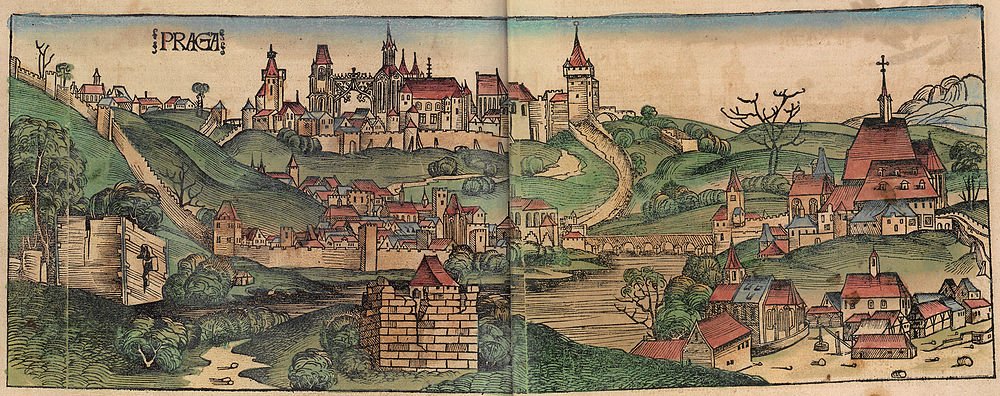
Religious Wars and Habsburg Rule
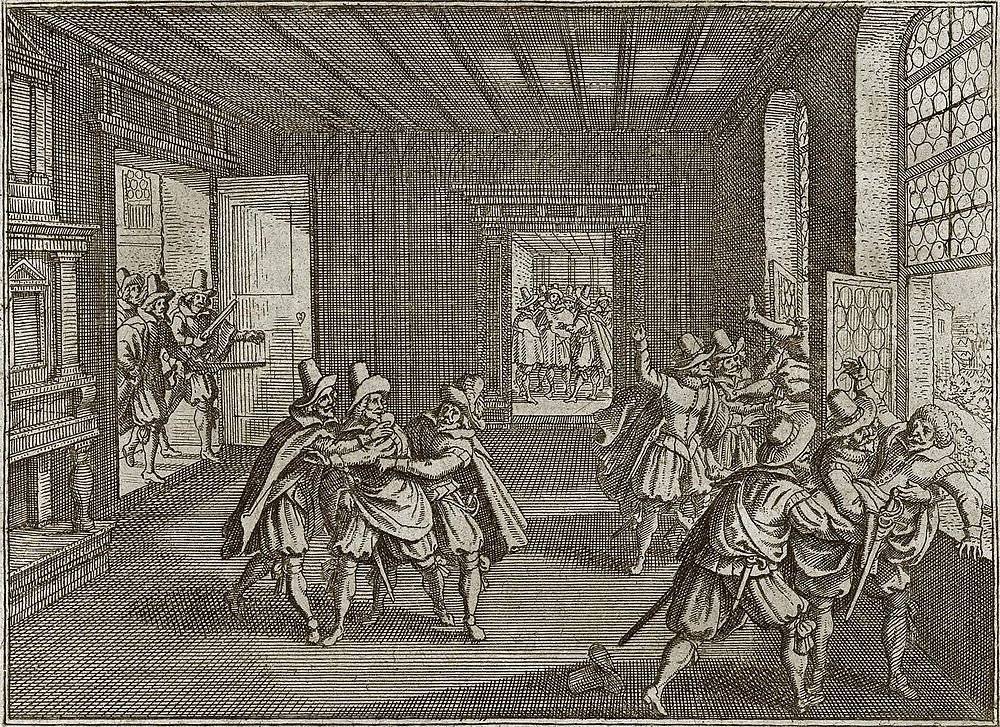
The 15th century brought turmoil with the Hussite Wars, sparked by religious reformer Jan Hus’s execution in 1415. These conflicts left lasting scars on the city but demonstrated Prague’s fierce independence. The infamous Second Defenestration of Prague in 1618 triggered the Thirty Years’ War, beginning when Protestant nobles threw Catholic officials from Prague Castle windows.
Rudolf II revived Prague’s royal splendor in the late 16th century, filling the city with lavish Baroque palaces and churches while attracting alchemists and artists from across Europe. In 1784, Prague’s four historic towns — Hradčany, Malá Strana, Staré Město (Old Town), and Nové Město (New Town) — united into one magnificent city.
National Revival and Modern Challenges
The 19th century witnessed Prague’s cultural renaissance as Czech nationalism flourished alongside German influence. Grand landmarks like the National Museum and National Theatre became symbols of Czech pride, while the city’s population grew from 40,000 in 1370 to over 220,000 by 1900.

After World War I, Prague became the capital of the new Czechoslovakia, experiencing growth and modernization during the democratic 1920s and 1930s. However, the 1938 Munich Agreement and subsequent Nazi occupation brought tragedy — over 40,000 Jewish residents lost during the Holocaust. Critically, Prague’s architectural fabric escaped most WWII bombing, leaving the medieval and Baroque core largely intact — one reason the city looks the way it does today.
Communist Era and Velvet Revolution
Post-war Prague saw its multicultural character fade as Germans were expelled or fled. The 1948 communist takeover ushered in decades of authoritarian rule, briefly interrupted by the hopeful 1968 Prague Spring, which was crushed by Soviet tanks. The city’s spirit endured, culminating in the peaceful 1989 Velvet Revolution that swept away communist rule from Wenceslas Square. Since 1989, Prague has transformed into a vibrant European capital, joining NATO and the European Union while preserving its architectural heritage. Today, with over 1.3 million residents and nearly 9 million annual visitors, Prague continues to write new chapters in its extraordinary story.
Geography, Climate & Best Time to Visit Prague
Prague sits in the heart of Bohemia at 192 meters above sea level, though elevations within the city limits range from 177 to 397 meters. The Vltava River flows through the city for 30 kilometers, creating scenic islands like Kampa and providing the backdrop for Prague’s famous bridges. The city is built on seven hills, including Petřín Hill (the highest point within the city), Vyšehrad, and Letná Park, each offering spectacular panoramic views.
Climate Overview
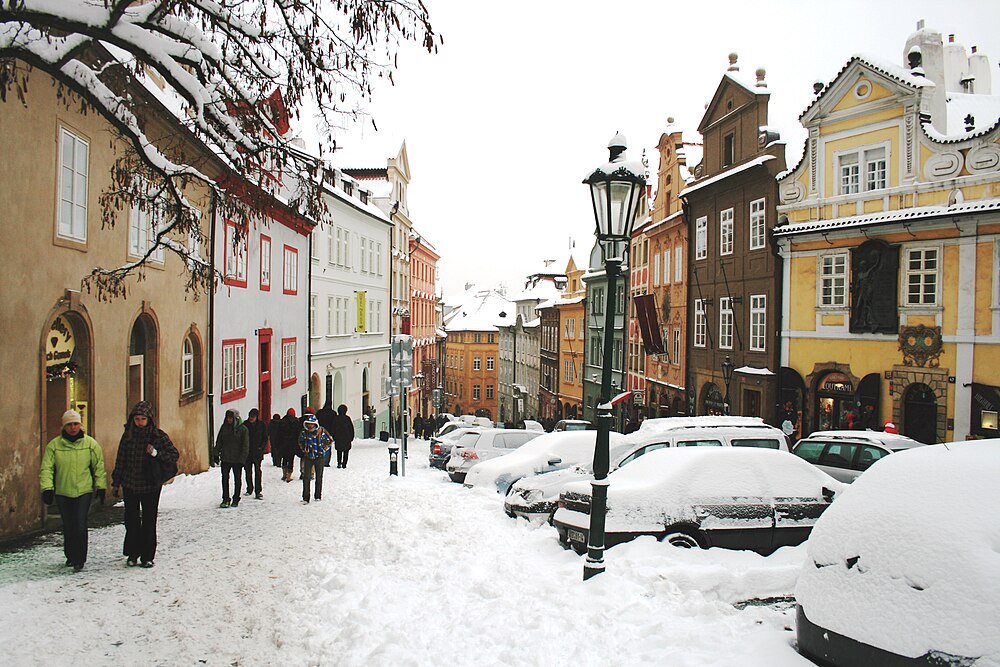
Prague has a continental climate with four distinct seasons. The city averages 8°C (46°F) annually, with significant seasonal variation — winters are properly cold, summers warm but not extreme. Snow is common in winter and one of the city’s signature looks.
| Month | Avg High/Low (°C) | Rainfall (mm) | Rainy Days |
|---|---|---|---|
| January | 0° / -5° | 24 | 6.8 |
| February | 3° / -4° | 23 | 5.6 |
| March | 8° / -1° | 28 | 6.2 |
| April | 13° / 3° | 38 | 7.3 |
| May | 18° / 7° | 77 | 9.8 |
| June | 21° / 11° | 73 | 10.3 |
| July | 23° / 12° | 66 | 9.1 |
| August | 23° / 12° | 70 | 8.8 |
| September | 19° / 9° | 40 | 7.0 |
| October | 13° / 4° | 31 | 5.5 |
| November | 6° / 0° | 32 | 7.0 |
| December | 2° / -3° | 25 | 6.8 |
Best Time to Visit
Spring (March–May): Watch Prague awaken with blooming cherry trees and mild temperatures climbing from 8°C to 18°C. May brings more rainfall but also lush greenery and fewer crowds than summer. Summer (June–August): Peak tourist season offers warm 23°C days perfect for river cruises and outdoor dining. Expect larger crowds and higher prices, but also the longest daylight hours and vibrant street life. Autumn (September–November): September provides ideal conditions with comfortable 19°C temperatures and golden foliage. October and November offer crisp air and fewer tourists, making this an excellent time for castle exploration. Winter (December–February): Magical Christmas markets and snow-dusted spires create a fairy-tale atmosphere. Bundle up for near-freezing temperatures, but enjoy the cozy indoor attractions and festive mulled wine.
Prague’s Districts & Neighborhoods
Prague is organized into 22 administrative districts that spiral clockwise from the historic center, each containing multiple neighborhoods with distinct characters. For visitors, only six or seven really matter.
Prague 1: The Historic Heart
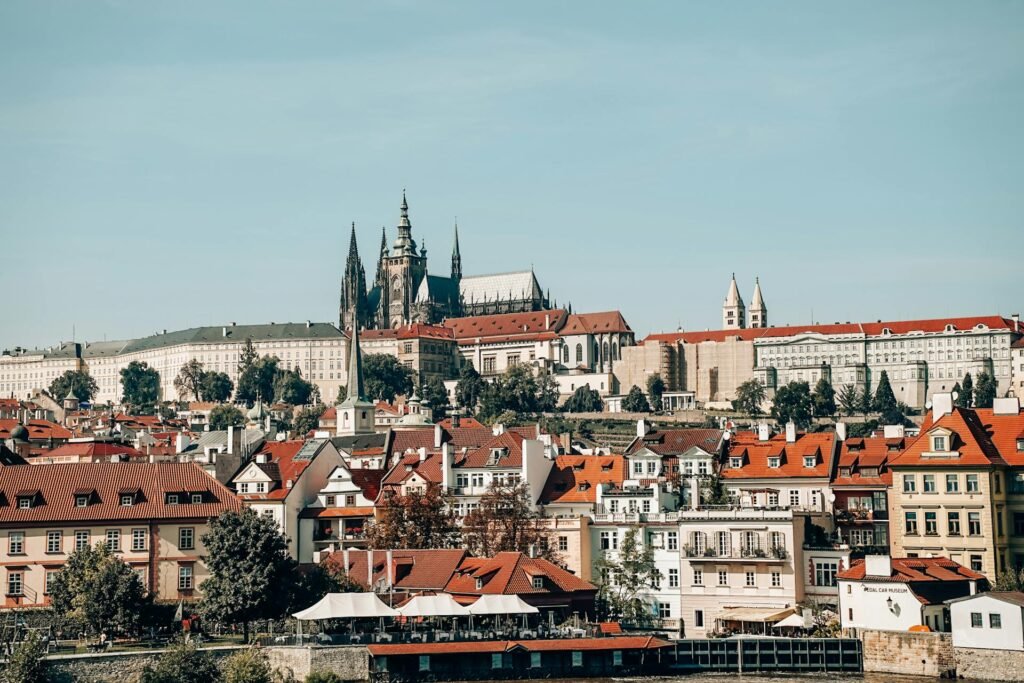
Prague 1 encompasses the city’s most famous attractions. Old Town (Staré Město): Home to the Astronomical Clock, Old Town Square, and winding medieval streets filled with restaurants and shops. Stay here for maximum convenience but expect premium prices. New Town (Nové Město): Despite its name, this area dates to the 14th century and centers around Wenceslas Square. Excellent shopping, dining, and nightlife with slightly more affordable accommodation. Lesser Town (Malá Strana): The Baroque quarter below Prague Castle features cobblestone streets, embassy buildings, and romantic restaurants. Perfect for those seeking old-world charm in a quieter setting. Castle District (Hradčany): Surrounding Prague Castle, this hilltop area offers stunning views and historic sites but limited dining and nightlife. Jewish Quarter (Josefov): A compact area within Old Town containing synagogues, the Jewish Museum, and the haunting Old Jewish Cemetery.
Prague 2: Trendy Vinohrady
Vinohrady attracts young professionals and creative types with its Art Nouveau architecture, trendy cafés, and vibrant nightlife. The neighborhood offers excellent value for accommodation while remaining well-connected to the center via metro.
Prague 3: Bohemian Žižkov
Known for its alternative culture, numerous pubs (the highest pub-per-capita density in the country), and the distinctive Žižkov Television Tower, this district appeals to budget travelers and those seeking authentic local experiences away from tourist crowds.
Prague 7: Arts and Culture Hub
Holešovice houses the National Gallery’s modern art collections, Troja Palace, Prague Zoo, and the Botanical Garden. The area combines cultural attractions with riverside parks and is popular with families.
Outer Districts
Districts 4–22 contain residential neighborhoods, business centers, and suburban areas. While less relevant for short-term visitors, they offer insights into contemporary Prague life and often feature excellent restaurants frequented by locals — Karlín especially is the local-favorite contemporary dining district.
Top Things to Do in Prague
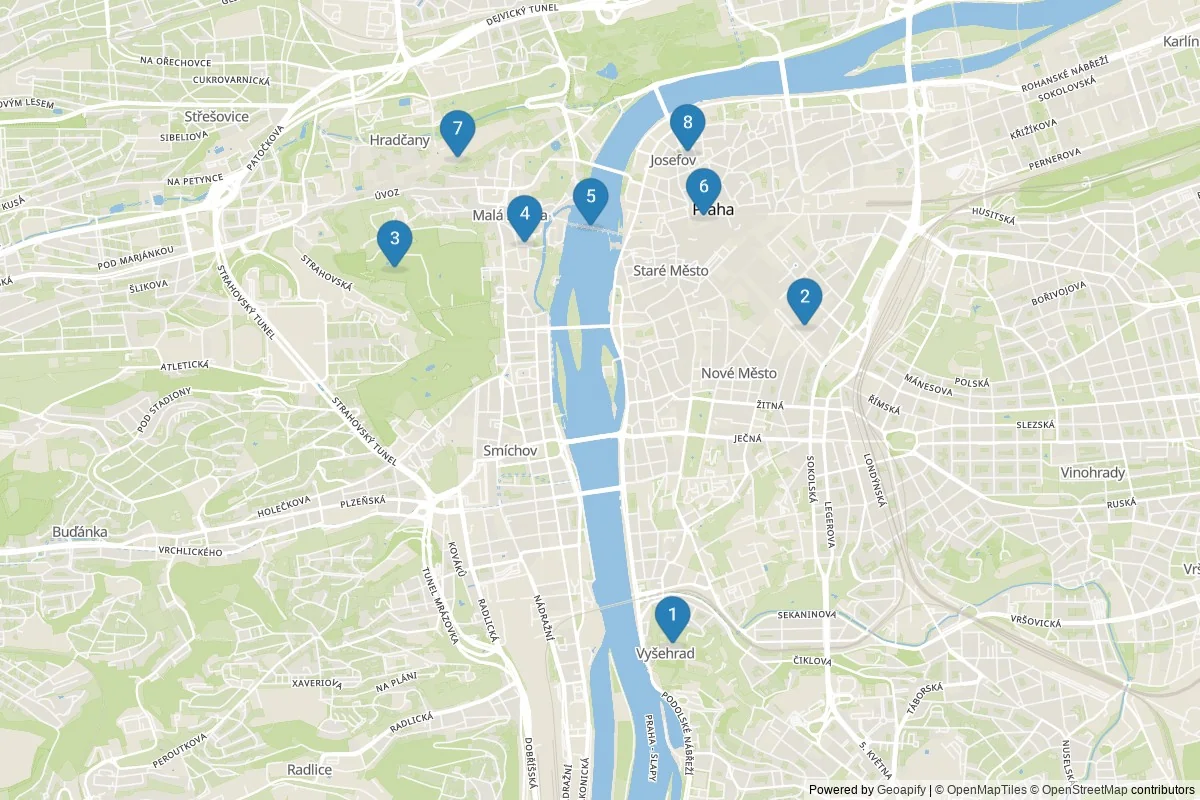
| # | Sight | Cluster | Type | Time | Entry | Best |
|---|---|---|---|---|---|---|
| 1 | Vyšehrad | Central | Historic fort | ~1.5 hrs | Free | Afternoon |
| 2 | Wenceslas Square | Central | Square | ~30 min | Free | Anytime |
| 3 | Petřín Hill & Tower | Central | Viewpoint | ~1 hr | 220 Kč | Sunset |
| 4 | John Lennon Wall | Central | Street art | ~15 min | Free | Anytime |
| 5 | Charles Bridge | Central | Historic bridge | ~30 min | Free | Sunrise |
| 6 | Old Town Square (Astron. Clock) | Central | Square | ~1 hr | Free | Hourly |
| 7 | Prague Castle | Central | Castle | ~3 hrs | 450 Kč | Morning |
| 8 | Jewish Quarter (Josefov) | Central | Old quarter | ~2 hrs | 500 Kč combo | Morning |
| 🚗 | Day Trip: Kutná Hora | Day trip | Day trip | ½ day | 300 Kč | Morning |
Historic Landmarks
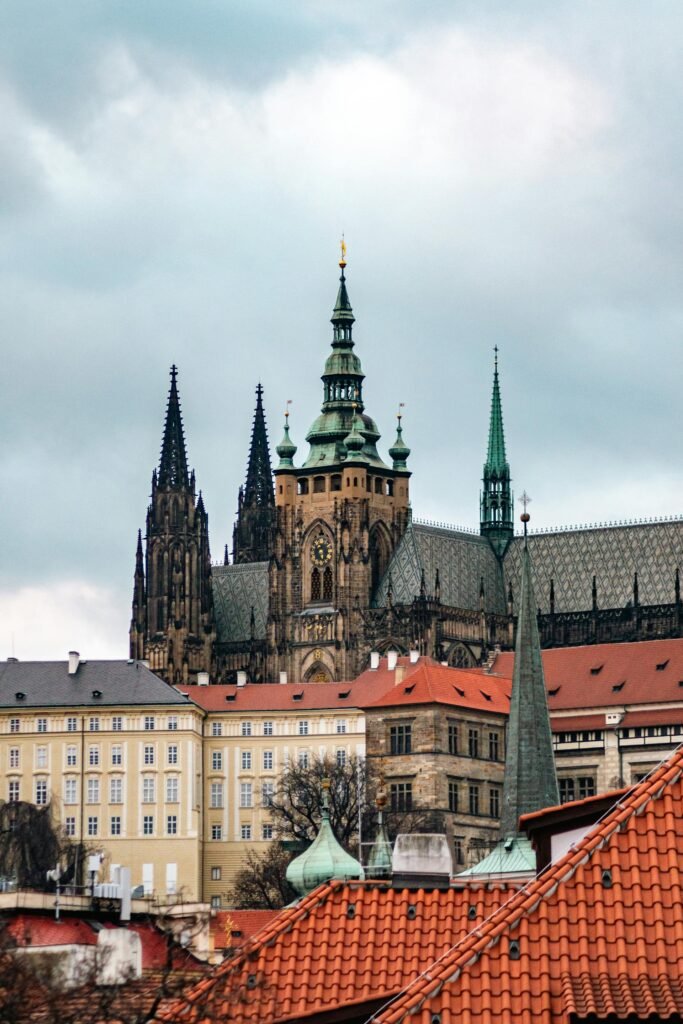
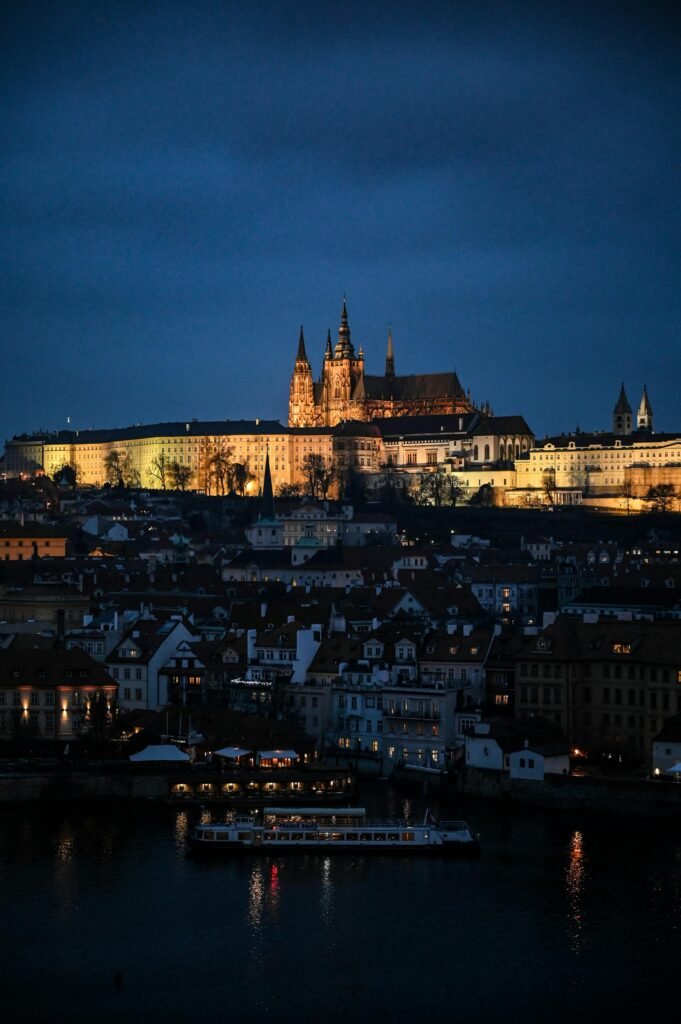
Prague Castle: The world’s largest ancient castle complex dominates the city skyline. Explore St. Vitus Cathedral, the Old Royal Palace, and the charming Golden Lane. Allow at least half a day for this UNESCO World Heritage site. Charles Bridge: This 14th-century stone bridge connects Old Town with Lesser Town and features 30 Baroque statues. Visit at sunrise for magical lighting and fewer crowds, or return in the evening for street performers and a lively atmosphere. Astronomical Clock: Located in Old Town Square, this medieval timepiece performs an hourly show featuring moving apostles and other figures. The surrounding square buzzes with outdoor cafés, street artists, and seasonal markets. Vyšehrad Fortress: This hilltop citadel offers panoramic city views and houses the National Cemetery where famous Czechs like composer Antonín Dvořák are buried — a quieter alternative to Prague Castle with equally impressive vistas.
Museums and Cultural Sites
National Museum: The grand neo-Renaissance building at the top of Wenceslas Square houses extensive natural history and cultural collections. The building itself is an architectural masterpiece worth visiting. Jewish Museum: Comprising several synagogues and the Old Jewish Cemetery, this complex tells the poignant story of Prague’s Jewish community. The Pinkas Synagogue memorial lists 80,000 Holocaust victims from Bohemia and Moravia. National Gallery: Spread across multiple historic buildings, the gallery showcases Czech and international art from medieval times to the present. The Trade Fair Palace houses an impressive modern art collection. Museum of Communism: This thought-provoking museum examines life under communist rule through artifacts, propaganda, and personal stories.
Architectural Marvels
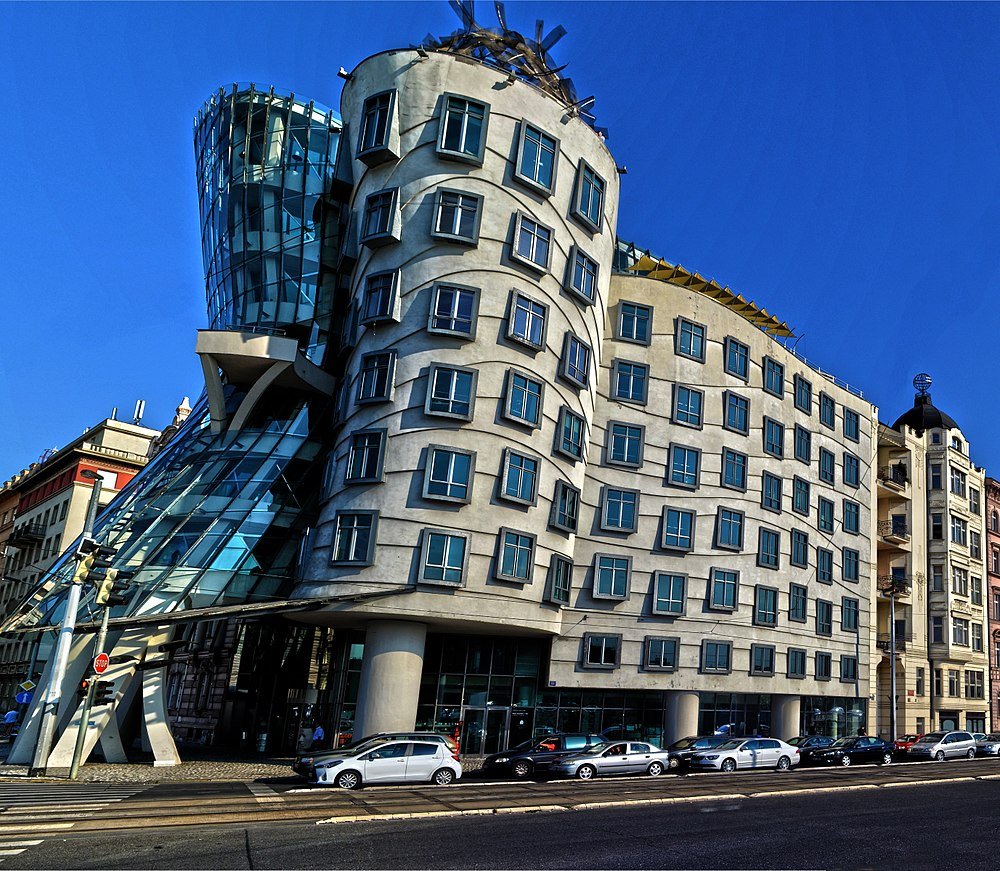
Dancing House: This deconstructivist building by Vlado Milunić and Frank Gehry resembles a dancing couple and represents Prague’s embrace of contemporary architecture alongside its historic preservation.
Municipal House: This Art Nouveau masterpiece features elaborate decorations, stained glass, and murals by leading Czech artists (Alfons Mucha among them). The building houses concert halls and restaurants within its ornate interior. Strahov Monastery: Perched above the city, this Baroque complex contains one of the world’s most beautiful libraries with ornate ceiling frescoes and ancient manuscripts.
Parks and Natural Areas
Petřín Hill: Climb to the summit for the best panoramic views of Prague, visit the miniature Eiffel Tower replica (Petřín Lookout Tower, 1891), and explore the mirror maze and rose garden. Kampa Island: This peaceful island in the Vltava River features parks, galleries, and restaurants. The Kampa Museum showcases modern Central European art in a former mill building. Letná Park: Popular with locals for jogging and relaxation, this hilltop park offers excellent city views and houses the giant metronome that replaced a former Stalin monument.
How to Get to Prague
By Air
Václav Havel Airport Prague (PRG), located 17 km northwest of the city center in Ruzyně, serves as the main international gateway. The airport welcomed over 13.8 million passengers in recent years and offers connections to major European and international destinations. Airport Express buses (€2.50), public buses, and taxis (~€25 fixed fare to center) provide transportation; journey times 30–60 minutes depending on method and traffic.
By Rail
Prague is a major railway hub with connections throughout Central Europe. The main station, Praha hlavní nádraží, handles most international trains and connects to the metro system. Other important stations include Holešovice (some international services) and Smíchov (regional). Direct rail connections link Prague to Vienna (4 hours), Berlin (4 hours), Munich, Budapest, and Bratislava.
By Road
Prague sits at the center of the Czech Republic’s highway network. Major routes: D1 to Brno and Bratislava, D5 to Nuremberg and Munich, D8 to Dresden and Berlin, D11 toward Poland. International bus services connect Prague to cities across Europe; the main bus terminal is at Florenc.
By River
While not a primary arrival method, Prague’s inland port at Radotín handles river traffic along the Vltava and Elbe rivers. Seasonal cruise ships and excursion boats operate between Prague and other Central European cities.
Getting Around Prague
Prague has one of Europe’s most efficient and comprehensive public transportation systems, operated under the integrated PID network. In 2023, 37% of residents used public transit, 35% walked, 25% drove, and 1% cycled — reflecting the system’s effectiveness and the city’s walkable nature.
Metro System
The Prague Metro consists of three lines (A-green, B-yellow, C-red) that intersect at key transfer stations: Můstek, Muzeum, and Florenc. Built in the 1970s with Soviet engineering (the deep stations at Florenc and Náměstí Míru go down 50+ meters), the system operates from 5 AM to midnight daily and connects major attractions, railway stations, and residential areas. Line C serves the main train stations; Line A reaches Prague Castle via Malostranská station.
Trams
Prague’s iconic red-and-white trams operate 25 daytime routes covering areas the metro doesn’t reach. The system runs from 4:30 AM to midnight, with nine night tram lines operating until 5 AM, all converging at Lazarská stop near Charles Square. Tram 22 offers a scenic route past major attractions including Prague Castle, Charles Bridge, National Theatre, and Wenceslas Square — the de facto sightseeing tram.
Buses and Regional Transport
City buses complement trams and metro by serving outer districts and areas with challenging topography. Esko trains function as Prague’s suburban railway, connecting the city center with surrounding communities and providing airport access.
Special Transport
The historic Petřín Funicular, operating since 1891, climbs from Újezd tram stop to Petřín Hill’s summit. Seasonal river boats offer scenic Vltava cruises.
Tickets and Passes
The integrated ticketing system covers all public transport modes. Single tickets are valid for 30 or 90 minutes depending on the price, while day passes offer unlimited travel. Children under 15 and seniors over 65 ride free. Tickets must be validated upon boarding and are subject to inspection by plainclothes controllers — the fine for unvalidated travel is steep.
Food & Drink in Prague
Prague’s culinary scene blends traditional Czech comfort food with international influences and modern gastronomy. The city’s location in the heart of Europe has created a unique food culture that emphasizes hearty portions, quality ingredients, and exceptional beer.
Traditional Czech Cuisine
Czech cuisine centers around meat, potatoes, and bread. Signature dishes include goulash (guláš), roast pork with sauerkraut and dumplings (vepřo-knedlo-zelo), and schnitzel (řízek). Bread dumplings (knedlíky) accompany most meals and serve to soak up rich gravies. Popular street food includes trdelník, a sweet pastry rolled in sugar and cinnamon, though locals consider it more of a tourist treat than traditional fare. Sausages (klobása) from street vendors provide quick, satisfying meals throughout the city.
Beer Culture
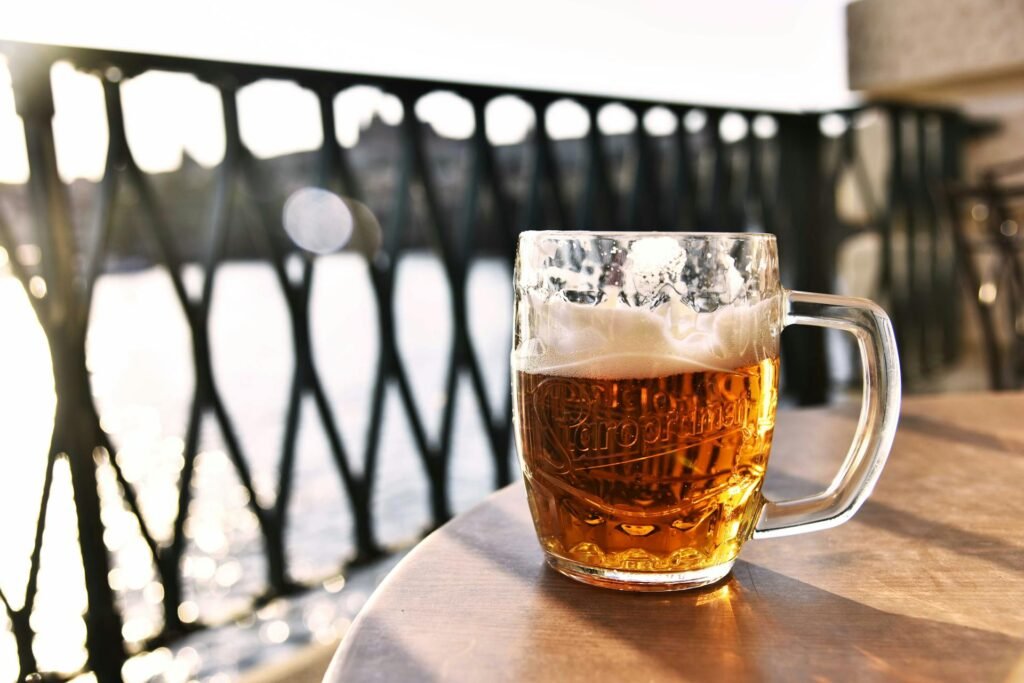
The Czech Republic consumes more beer per capita than any other country, and Prague is the epicenter. Czech Pilsner originated in nearby Plzeň; Prague’s breweries produce world-renowned brands like Staropramen, Budweiser Budvar, and Bernard. Traditional beer halls (hospoda) offer the authentic Prague drinking experience with communal tables, simple food, and fresh beer served in half-liter glasses. Notable establishments: U Fleků (brewing since 1499), U Zlatého tygra (frequented by Václav Havel), Lokál (modern take on traditional beer halls).
Coffee Culture
Prague’s coffeehouse tradition dates to the Habsburg era when establishments like Café Louvre and Café Slavia served as intellectual gathering places. These grand cafés continue operating today, offering elegant settings for coffee, pastries, and people-watching. Modern specialty coffee shops have emerged throughout the city, particularly in Vinohrady and Karlín districts.
International Cuisine
Prague’s growing international community and tourism industry have diversified the restaurant scene significantly. Vietnamese cuisine is particularly popular due to the large Vietnamese immigrant community (the largest non-European immigrant community in the country). Italian, Asian, and Middle Eastern restaurants cater to varied tastes. The city has several Michelin-starred restaurants showcasing modern European cuisine — Field, La Degustation Bohème Bourgeoise, and Salabka are the established names.
Markets and Food Shopping
Farmers markets operate throughout Prague, with the largest at Náměstí Míru in Vinohrady and Jiřího z Poděbrad square. These markets offer fresh produce, artisanal products, and prepared foods. Traditional food halls like Havelské Tržiště provide covered shopping for local specialties and souvenirs.
Culture & Arts
Prague’s cultural landscape reflects its position as a historic crossroads of Central Europe — Czech, German, and Jewish influences have created a rich artistic heritage that continues to evolve today.
Theater and Performance
The National Theatre stands as Prague’s premier cultural institution, hosting opera, ballet, and drama in a stunning neo-Renaissance building. The nearby Estates Theatre holds special significance as the venue where Mozart premiered Don Giovanni in 1787. Modern theatrical innovations include Laterna magika (combining film, dance, and light effects), and Black Light Theatre, featuring glowing illusions and pantomime.
Music Scene
The Czech Philharmonic, based at the magnificent Rudolfinum, ranks among Europe’s finest orchestras. The annual Prague Spring Festival transforms the city into a celebration of classical music each May and June. Prague’s musical heritage extends beyond classical to include a vibrant jazz scene, with clubs like Reduta Jazz Club (where President Clinton once played saxophone) and AghaRTA Jazz Centrum.
Visual Arts
The National Gallery operates multiple venues showcasing Czech and international art from medieval times to contemporary works. The Trade Fair Palace houses the country’s finest modern art collection; historic palaces display older masterpieces. Prague’s street art scene has flourished since 1989, with the John Lennon Wall serving as an iconic symbol of peace and freedom.
Literature and Film
Prague’s literary tradition includes Franz Kafka, Milan Kundera, and Václav Havel, whose works capture the city’s complex history and character. The city has served as a filming location for numerous international productions (“Mission: Impossible”, “The Bourne Identity”, “Casino Royale”), earning the nickname “Hollywood of the East” for its well-preserved historic architecture and competitive production costs.
Prague by District: The 22 Městské části
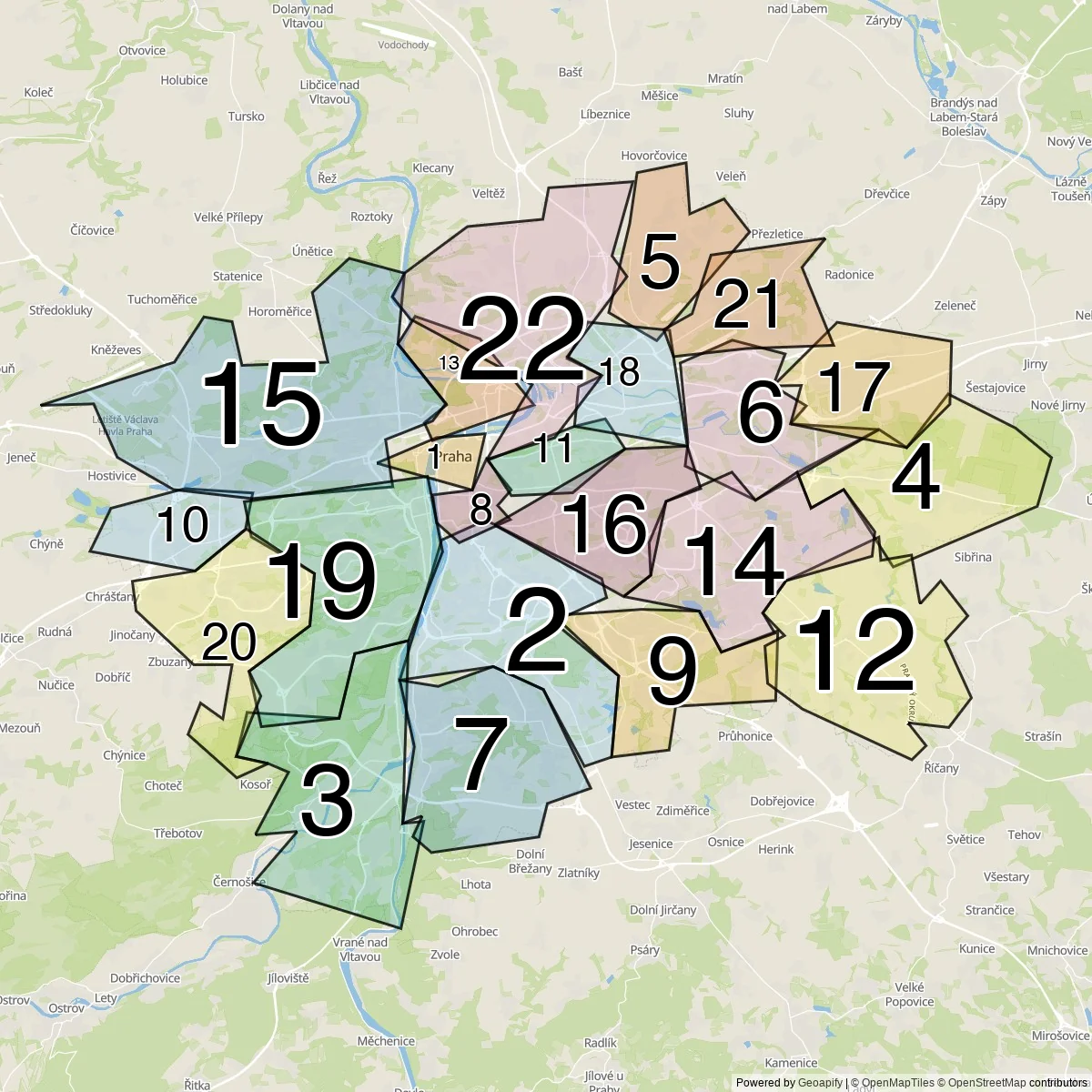
Prague is divided into 22 districts. The map below shows their official OSM boundaries, colour-coded to match the table — a quick way to orient yourself before zooming in on individual sights.
| # | Městské části |
|---|---|
| 1 | SO Praha 1 |
| 2 | SO Praha 4 |
| 3 | SO Praha 16 |
| 4 | SO Praha 21 |
| 5 | SO Praha 18 |
| 6 | SO Praha 14 |
| 7 | SO Praha 12 |
| 8 | SO Praha 2 |
| 9 | SO Praha 11 |
| 10 | SO Praha 17 |
| 11 | SO Praha 3 |
| 12 | SO Praha 22 |
| 13 | SO Praha 7 |
| 14 | SO Praha 15 |
| 15 | SO Praha 6 |
| 16 | SO Praha 10 |
| 17 | SO Praha 20 |
| 18 | SO Praha 9 |
| 19 | SO Praha 5 |
| 20 | SO Praha 13 |
| 21 | SO Praha 19 |
| 22 | SO Praha 8 |
Frequently Asked Questions About Visiting Prague
Do I need a visa to visit Prague?
Prague falls under Schengen Area visa rules. EU/EEA/Swiss citizens enter freely with a national ID card. Citizens of the US, UK, Canada, Australia, Japan, and roughly 60 other countries enter visa-free for stays up to 90 days within any 180-day period — but starting in 2026 those visitors will need to register with the new ETIAS travel authorization system (about €7, valid 3 years). Other nationalities need a Schengen visa applied for at the Czech consulate before travel; the official portal is mzv.gov.cz (Czech Ministry of Foreign Affairs).
Is Prague safe for tourists?
Prague is one of Europe’s safer capitals — violent crime is rare, and the city is well-policed in tourist areas. The US State Department rates the Czech Republic at “exercise normal precautions.” Standard urban precautions: pickpockets work crowded tourist areas — Charles Bridge, Old Town Square, Wenceslas Square, and the trams; the tram 22 (the tourist tram) is particularly notorious. Common scams: taxi overcharging (use AAA Taxi or Uber/Bolt rather than street taxis), the “money exchange” booths along major streets (often with terrible rates — use ATMs from major banks instead), and the rare wallet-pickpocket near the Astronomical Clock at high noon. Generally safe to walk around at night in central districts.
How many days do I need in Prague?
Three full days is the comfortable minimum to do the headline sights without rushing; four to five gives breathing room. A solid 3-day plan: Day 1 Prague Castle + St. Vitus Cathedral + Golden Lane + walk down to Lesser Town for dinner; Day 2 Old Town — Astronomical Clock + Old Town Square + Charles Bridge at sunrise + Jewish Quarter; Day 3 Vyšehrad + Vinohrady + evening at a traditional beer hall (U Fleků, U Zlatého Tygra). Add a 4th day for Petřín Hill + Strahov Monastery + Dancing House + day-trip options like Kutná Hora (UNESCO bone church), Český Krumlov, or Karlštejn Castle.
What’s the best area to stay in Prague?
Three solid options. Prague 1 (Old Town / Lesser Town) is the classic central choice — walking distance to all major sights, atmospheric historic hotels, dense restaurant scene; pricey but irreplaceable for sightseeing. Vinohrady (Prague 2) is the local-Prague choice — Art Nouveau buildings, trendy cafés and bars, less tourist density, hotel prices 30–50% below the historic center, and excellent metro access via Náměstí Míru. Žižkov (Prague 3) is the bohemian-budget option — alternative culture, dozens of pubs, the iconic TV Tower; great for travelers wanting authentic local experiences. Skip the area immediately around the main train station (Praha hlavní nádraží) at night.
How much does it cost to visit Prague Castle and major sights?
Prague’s headline sights are well-priced compared to Western Europe. Prague Castle combination ticket (Old Royal Palace, St. George’s Basilica, Golden Lane, St. Vitus Cathedral): around 250 CZK (~€10) via the official portal at hrad.cz. The Castle grounds themselves are free to walk through. Astronomical Clock tower climb: 250 CZK. Old Town Hall + clock tower: 250 CZK. Jewish Museum combination ticket: 600 CZK (visits to all synagogues + the Old Jewish Cemetery). Charles Bridge and exterior of all major sights: free. The Prague Cool Pass includes most major attractions plus public transit and pays off if you visit four+ headline sites.
Should I drink the tap water in Prague?
Yes. Prague’s tap water meets EU standards and is genuinely good — sourced from the Želivka reservoir and treated to high quality. The Pražské vodovody a kanalizace utility publishes water quality reports. The water is mineral-light and pleasant to drink. Restaurants, however, almost never serve tap water by default — Czech restaurant culture leans heavily toward bottled mineral water (often Mattoni or Magnesia). You can ask for tap water (kohoutková voda), but expect a slightly puzzled look. Bottled water is cheap (15–30 CZK at supermarkets, 50–80 CZK at restaurants).
What’s the deal with Czech beer in Prague?
Czech beer is excellent, cheap, and central to the culture. The Czech Republic consumes more beer per capita than any country on earth. Prices: a half-liter of pilsner runs 35–80 CZK (€1.50–3.50) at most pubs, more at touristy spots. Standards: order by name — Pilsner Urquell, Staropramen, Budvar (the actual Budweiser, no relation to the American brand), Kozel, Bernard. Etiquette: pubs put a beer mat on your table to track your tab; flip it upside-down or place it on top of your glass to signal you’re done ordering. Tipping: round up to the nearest 10 CZK or add 10–15% for table service. Don’t ask for non-Czech beer at a traditional Czech pub — it’s a small social offense.
Is tipping expected in Prague?
Yes — slightly higher than other Central European cities. Restaurants: 10–15% in cash for sit-down service if no service charge is added; round up at casual places. Pubs: round up to the nearest 10 CZK or 10% for sit-down. Taxis: round up to the nearest 50 CZK or 10% for longer rides. Hotel porters: 50–100 CZK per bag at upscale hotels. Tour guides: 200–500 CZK per person for half-day group tours, more for private. Spa, hair: 10% if pleased. The Czech tipping culture has become more US-leaning in tourist-heavy zones; locals still tip more conservatively. Pay tips in cash even when settling the main bill by card — most card machines don’t allow tip-add-on.
Economy & Business
Prague serves as the Czech Republic’s economic powerhouse, contributing approximately 25% of the country’s GDP despite housing only 12% of its population. The city’s strategic location, skilled workforce, and business-friendly environment have attracted significant international investment since 1989.
Key Industries
Tourism remains a crucial economic driver, with nearly 9 million annual visitors generating billions in revenue. The service sector dominates the economy, including finance, telecommunications, and information technology. Prague has emerged as a regional hub for multinational corporations, with many establishing Central European headquarters here. Manufacturing continues to play an important role, particularly in food production, electrical equipment, and printing — the city produces 20% of the country’s televisions and radios.
Employment and Living Standards
Prague maintains remarkably low unemployment rates, dropping to just 1.6% in 2022. The city offers higher wages than the national average, though housing costs have risen significantly due to tourism and international investment. The GDP per capita of $46,947 (2014 figures) reflects the city’s prosperity relative to other Central European capitals.
Prague continues to evolve as a modern European capital while preserving the historic character that makes it one of the world’s most beloved destinations. Whether the draw is the architectural splendor, rich cultural offerings, or simply the magic of walking ancient streets, Prague promises an unforgettable experience that will leave you planning your return.
AFRIKA
Cairo Hurghada Johannesburg Marrakech
ASIA
Abu Dhabi Agra Antalya Bangkok Batam Beijing Bengaluru Cebu City Chiang Mai Chiba Chennai Da Nang Dammam Delhi Denpasar Dubai Fukuoka Guangzhou Guilin Ha Long Hanoi Ho Chi Minh City Jakarta Jaipur Johor Bahru Kolkata Krabi Kuala Lumpur Kyoto Macau Mecca Medina Mugla Mumbai Osaka Pattaya Penang Phuket Riyadh Seoul Shanghai Shenzhen Singapore Taipei Tokyo Zhuhai
EUROPE
Amsterdam Athens Barcelona Berlin Brussels Budapest Copenhagen Dublin Florence Frankfurt am Main Heraklion Krakow Lisbon London Madrid Milan Munich Nice Paris Porto Prague Rhodes Rome Stockholm Venice Vienna Warsaw
NORTH AMERICA
Cancun Las Vegas Los Angeles Miami New York City Orlando San Francisco Toronto Vancouver
SOUTH AMERICA
Buenos Aires Lima Rio De Janeiro
OCEANIA
Auckland Honolulu Melbourne Sydney